Reviewed by Dr. Younghun Cho, PharmD
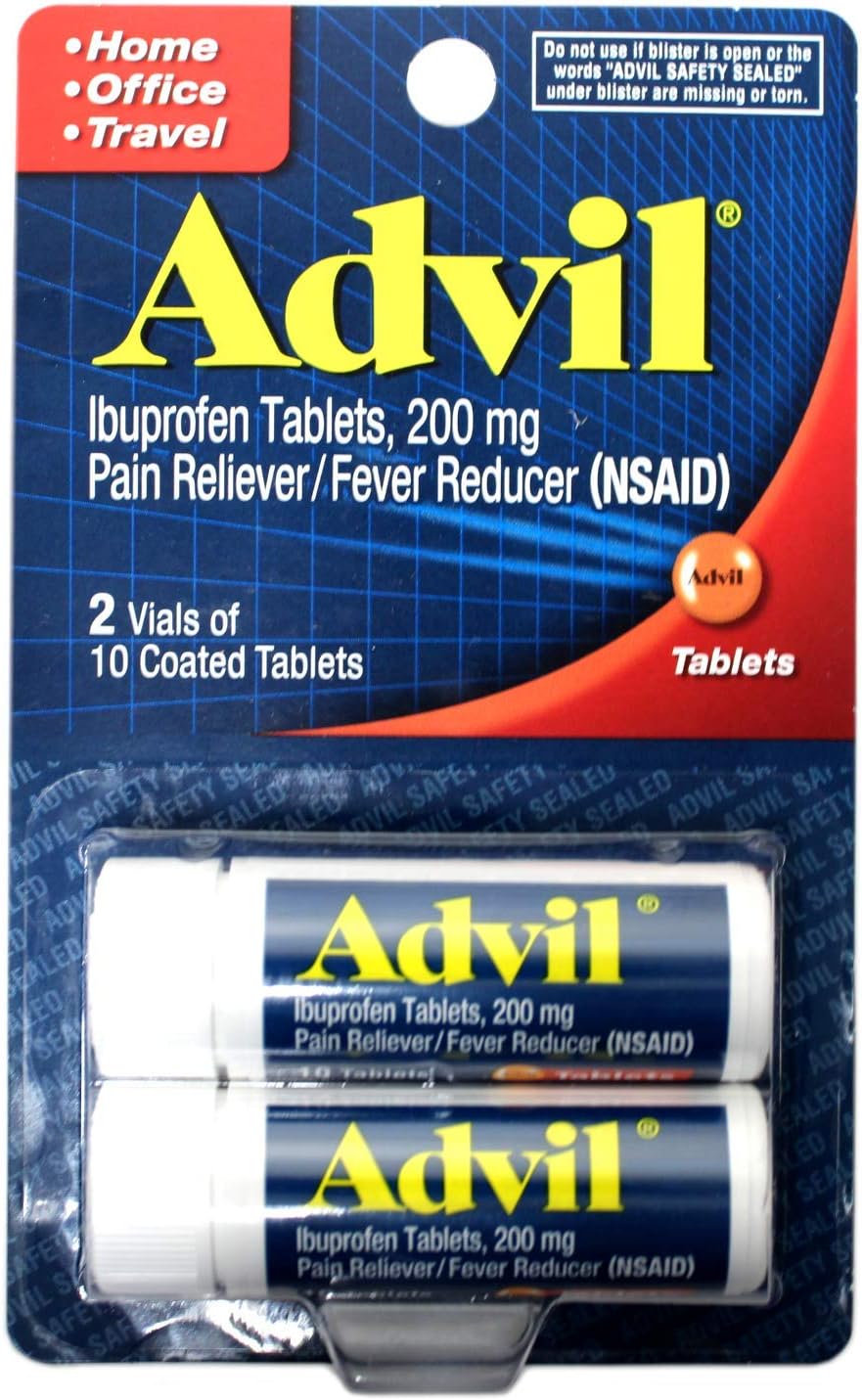
Advil (ibuprofen) is a pharmacy staple because it is a highly effective, fast-acting, and well-researched medication for its approved uses.
Pharmacist's Verdict
Advil is a highly effective and reliable over-the-counter choice for relieving pain, fever, and inflammation, making it a go-to for common ailments like headaches, muscle aches, and menstrual cramps.
Ingredient Analysis
Details pending pharmacist review.
Pros & Cons
Pros
- Effectively reduces pain, fever, and inflammation.
- Fast-acting, with relief typically starting within 30 to 60 minutes.
- Especially good for inflammatory pain like menstrual cramps or muscle strains.
- Backed by decades of scientific research and clinical use.
Cons
- Can cause stomach upset, and long-term use increases the risk of ulcers or bleeding.
- May increase the risk of heart attack or stroke with long-term, high-dose use.
- Not suitable for people with severe kidney disease or during the last trimester of pregnancy.
- Interacts with common medications, including blood thinners and certain blood pressure drugs.
Usage Guide & Precautions
How to Take
Take with a full glass of water, and with food or milk if stomach upset occurs. Taking it with food can help protect your stomach lining.
Storage
Store the bottle in a dry place at room temperature, away from direct sunlight and humidity, like in a medicine cabinet outside the bathroom.
Precautions
Avoid alcohol while taking Advil as it can increase the risk of stomach bleeding. Do not take with other pain relievers like aspirin or naproxen, and talk to a doctor if you take blood thinners like warfarin or high blood pressure medication.
Pharmacist's Tip
This is often a better choice than acetaminophen (Tylenol) for pain that involves swelling or inflammation, like a sprained ankle or painful menstrual periods.
Research & References
FDA and PubMed citations are being compiled for this product.