Reviewed by Dr. Younghun Cho
85/100
Excellent
Reviewed by Dr. Younghun Cho, PharmD
This product scores high because it's a no-frills, effective, and very affordable way to get a well-researched essential vitamin.
Pharmacist's Verdict
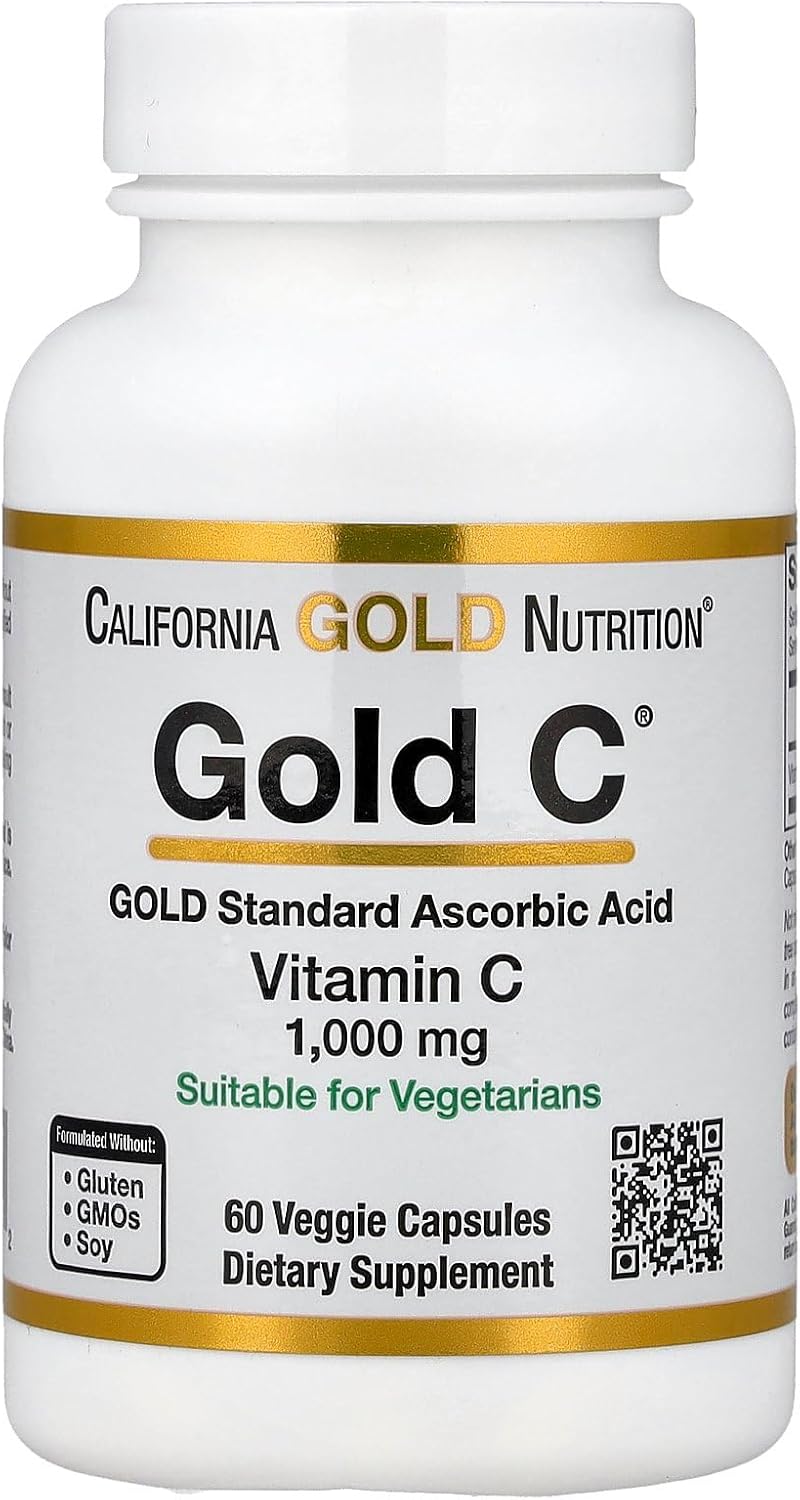
This is a straightforward and affordable high-dose Vitamin C supplement that is excellent for anyone needing to correct a deficiency or wanting basic antioxidant support without overpaying for fancy branding.
Ingredient Analysis
Vitamin C (as L-Ascorbic Acid)
Details pending pharmacist review.
Modified Cellulose (veggie capsule)
Details pending pharmacist review.
Pros & Cons
Pros
- Uses USP Grade L-Ascorbic Acid, a well-studied and effective form of Vitamin C.
- Very affordable compared to most other brands, offering great value.
- Simple, single-ingredient formula without unnecessary fillers or additives.
- High dose (1000 mg) is more than enough to meet daily requirements for immune and antioxidant support.
Cons
- The 1000 mg dose is far more than the body can absorb at once; most will be wasted in urine.
- High doses can cause stomach upset, diarrhea, or cramping in sensitive individuals.
- Megadoses of Vitamin C have limited evidence for preventing colds in the general population, though they may slightly shorten the duration.
- May increase the risk of kidney stones in people who are prone to them.
References
- 1.Vitamin C and Immune Function.
Carr AC, Maggini S, Nutrients, 2017 · PubMed
- 2.The Roles of Vitamin C in Skin Health.
Pullar JM, Carr AC, Vissers MCM, Nutrients, 2017 · PubMed
- 3.Vitamin C for preventing and treating the common cold.
Hemilä H, Chalker E, The Cochrane database of systematic reviews, 2013 · PubMed
- 4.Vitamin C: the known and the unknown and Goldilocks.
Padayatty SJ, Levine M, Oral diseases, 2016 · PubMed
- 5.Vitamin C and E antioxidant supplementation may significantly reduce pain symptoms in endometriosis: A systematic review and meta-analysis of randomized controlled trials.
Bayu P, Wibisono JJ, PloS one, 2024 · PubMed