Reviewed by Dr. Younghun Cho
82/100
Excellent
Reviewed by Dr. Younghun Cho, PharmD
This product is a safe, effective, and convenient non-drowsy option for common allergies, though it's less potent than some rivals and the brand name is overpriced.
Pharmacist's Verdict
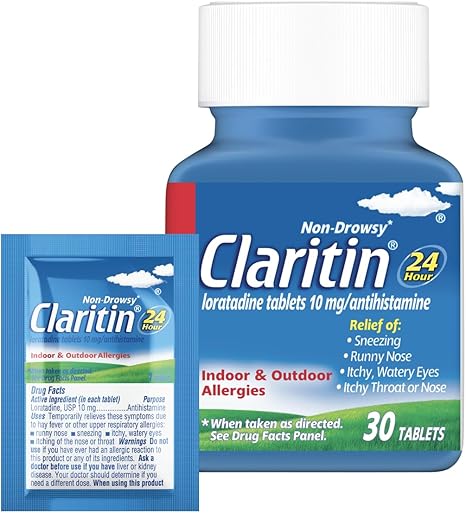
Claritin is a reliable and well-tolerated choice for managing mild to moderate daily allergy symptoms without causing drowsiness, though generic versions offer the same benefit for a lower price.
Ingredient Analysis
Loratadine 10mg
Details pending pharmacist review.
Pros & Cons
Pros
- Provides 24-hour relief from allergy symptoms with a single daily dose.
- Non-drowsy formula is safe for most people to use during the day.
- Has a long history of safe use and is generally well-tolerated with few side effects.
- Effectively relieves common allergy symptoms like sneezing, runny nose, and itchy, watery eyes.
Cons
- Brand-name Claritin is significantly more expensive than its identical generic version, loratadine.
- Can take 1 to 3 hours to start working, making it less ideal for immediate relief.
- May be less effective for severe allergy symptoms compared to other antihistamines like cetirizine (Zyrtec).
- A small number of users may still experience mild drowsiness.
Research & References
FDA and PubMed citations are being compiled for this product.