Reviewed by Dr. Younghun Cho, PharmD
The product scores well for its quality ingredients, use of bioavailable vitamin forms, and inclusion of probiotics, but its higher price and potentially overemphasized 'whole food' benefit slightly reduce its overall value.
Pharmacist's Verdict
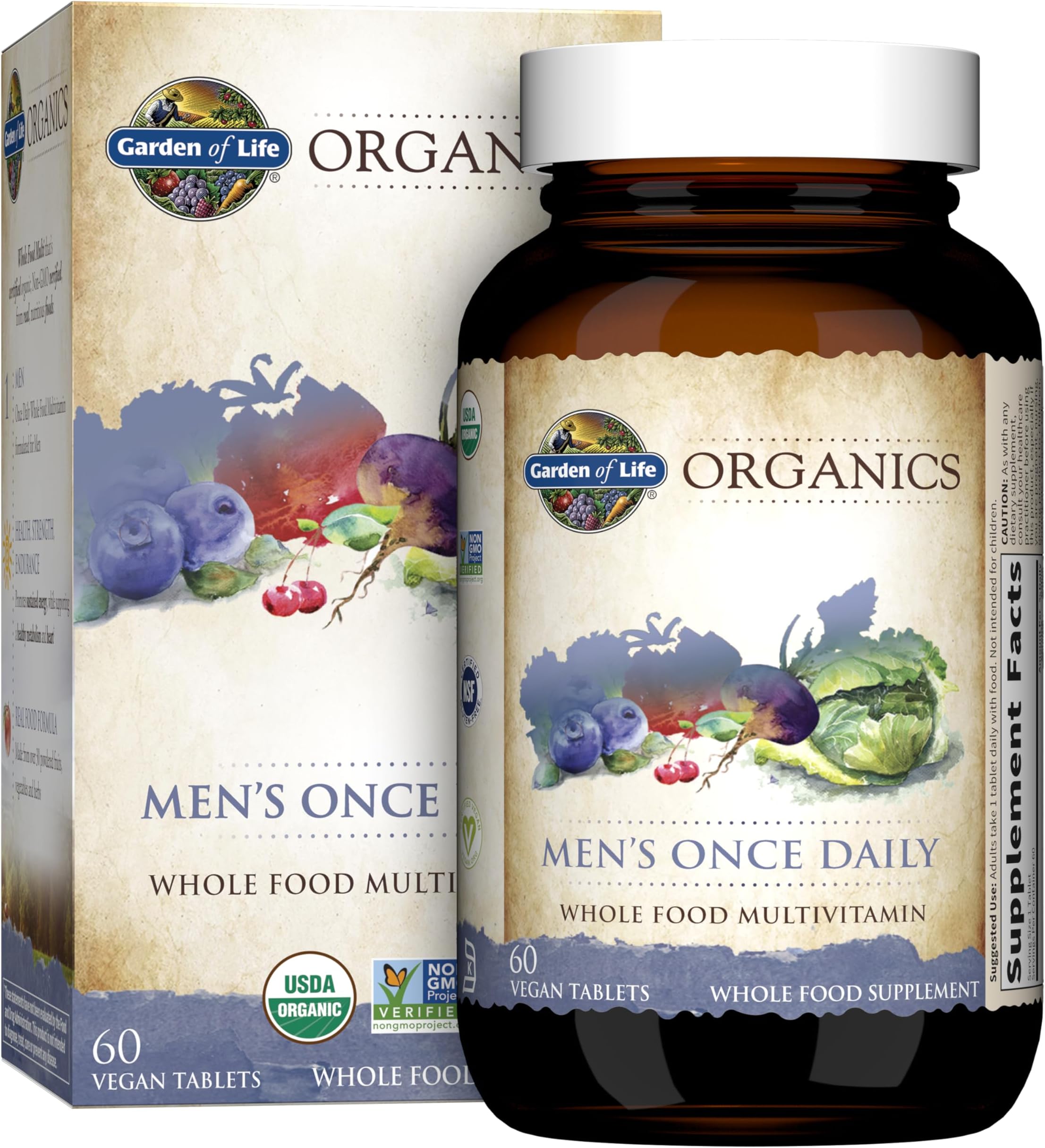
This Garden of Life Multivitamin is a good option for individuals seeking to fill general nutritional gaps with ingredients sourced from whole foods and those who prefer a vegan-friendly formula. While effective for broad nutritional support, its 'whole food' aspect may be overemphasized for its practical benefits compared to standard vitamins.
Ingredient Analysis
Details pending pharmacist review.
Details pending pharmacist review.
Details pending pharmacist review.
Details pending pharmacist review.
Pros & Cons
Pros
- Contains key vitamins and minerals to support overall health and fill dietary gaps.
- Often includes methylated forms of B vitamins (like folate and B12) which are easier for many people to use.
- Formulated with probiotics and digestive enzymes to support gut health and nutrient absorption.
- Made with organic whole food ingredients, appealing to those who prefer natural sources and often vegan-friendly.
- Typically free from synthetic binders, fillers, and artificial ingredients.
Cons
- Can be more expensive than conventional multivitamins without always offering significantly superior absorption or effects.
- The 'whole food' benefit is often overhyped, as the body processes nutrients similarly regardless of their original source.
- Some people may find the serving size (often multiple capsules) inconvenient.
- Specific probiotic strains and their quantity may not be robust enough for significant therapeutic effects in all cases.
- May not contain specific nutrients like iron in sufficient amounts for certain populations (e.g., menstruating women) who would need a targeted supplement.
References
- 1.FDA Drug Label — AHAVA MultiVitamin Day SPF30
FDA DailyMed: AHAVA MultiVitamin Day SPF30 · FDA
- 2.Risk factors for postpartum depression: An evidence-based systematic review of systematic reviews and meta-analyses.
Zhao XH, Zhang ZH, Asian journal of psychiatry, 2020 · PubMed
- 3.Leg cramps.
Young G, BMJ clinical evidence, 2015 · PubMed
- 4.Williams Syndrome.
Adam MP, Bick S, Mirzaa GM, et al., , 1993 · PubMed
- 5.Preconception and Prenatal Nutrition and Neurodevelopmental Disorders: A Systematic Review and Meta-Analysis.
Li M, Francis E, Hinkle SN, et al., Nutrients, 2019 · PubMed
- 6.Nutrition in Toddlers.
Riley LK, Rupert J, Boucher O, American family physician, 2018 · PubMed