Reviewed by Dr. Younghun Cho, PharmD
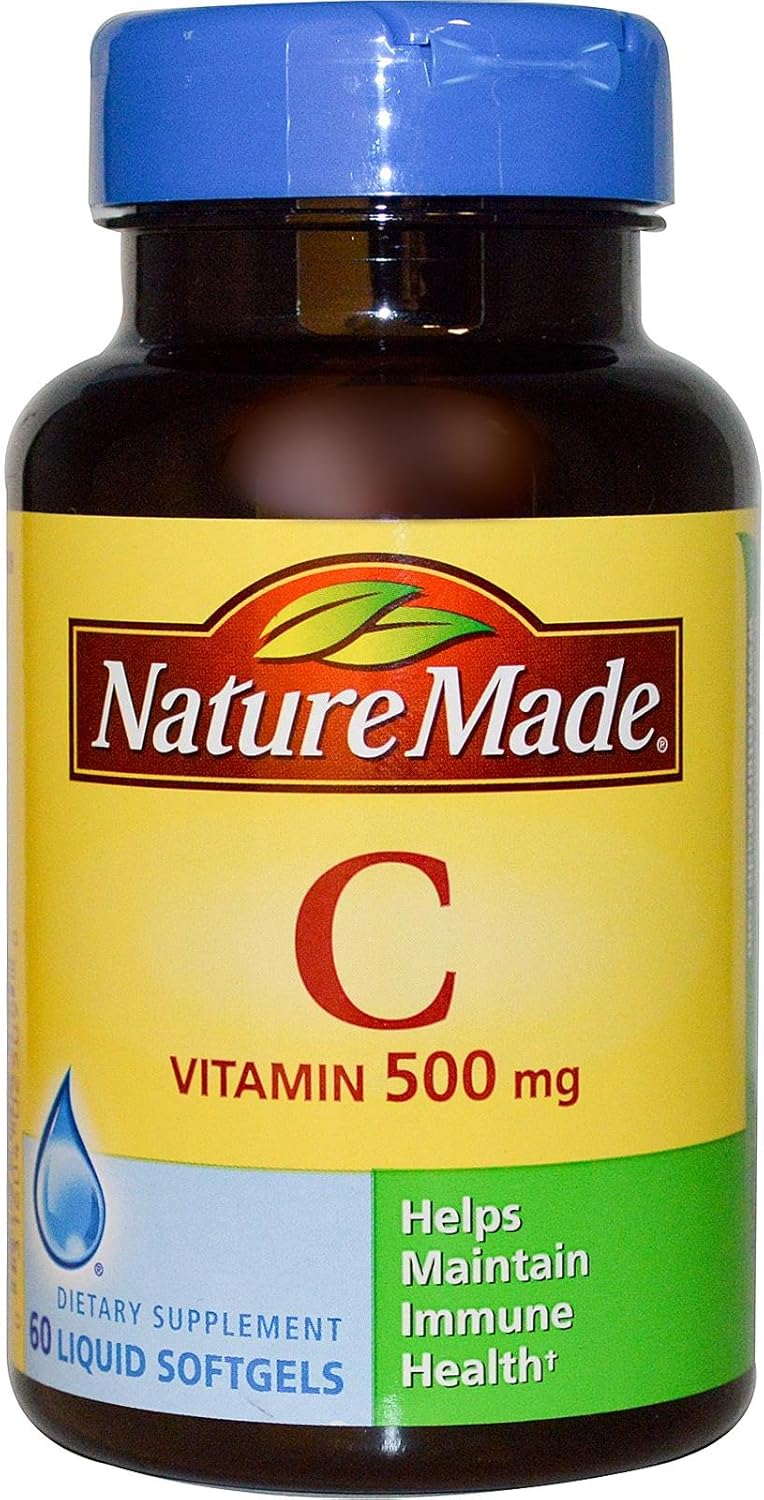
This product provides a well-known, essential vitamin from a trusted brand, offering good value and proven benefits for general health and immune support.
Pharmacist's Verdict
Nature Made Vitamin C is a reliable and affordable supplement for those who need to boost their Vitamin C intake. It effectively supports immune health and acts as an antioxidant.
Ingredient Analysis
Details pending pharmacist review.
Pros & Cons
Pros
- Supports a healthy immune system, helping your body fight off illness.
- Acts as a strong antioxidant, protecting your cells from damage caused by harmful molecules.
- Essential for making collagen, a protein vital for healthy skin, bones, and blood vessels.
- Aids in the absorption of iron from plant-based foods, which is important for preventing low iron.
- Affordable and widely available from a trusted brand.
Cons
- Most people get enough Vitamin C from their diet, so extra supplementation may not provide significant additional benefits.
- High doses (over 2000mg daily) can cause stomach upset, diarrhea, and nausea in some individuals.
- Can increase the risk of kidney stones in people already prone to them, especially with very high doses.
- May interact with certain medications, such as blood thinners (like Warfarin) or statins, though this is less common with typical doses.
References
- 1.FDA Drug Label — Allergies
FDA DailyMed: Allergies · FDA
- 2.Vitamin C for preventing and treating the common cold.
Hemilä H, Chalker E, The Cochrane database of systematic reviews, 2013 · PubMed
- 3.Ascorbic acid as antioxidant.
Gęgotek A, Skrzydlewska E, Vitamins and hormones, 2023 · PubMed
- 4.Vitamin C reduces the severity of common colds: a meta-analysis.
Hemilä H, Chalker E, BMC public health, 2023 · PubMed
- 5.Antioxidant vitamins supplementation reduce endometriosis related pelvic pain in humans: a systematic review and meta-analysis.
Zheng SH, Chen XX, Chen Y, et al., Reproductive biology and endocrinology : RB&E, 2023 · PubMed
- 6.Vitamin C and E antioxidant supplementation may significantly reduce pain symptoms in endometriosis: A systematic review and meta-analysis of randomized controlled trials.
Bayu P, Wibisono JJ, PloS one, 2024 · PubMed