Is There Really a 'Best' Moisturizer?
The 1-Minute Read
high confidenceKey Takeaways
- The best moisturizer depends on your skin type; there's no one-size-fits-all product [7].
- For daytime, always choose a moisturizer with broad-spectrum SPF 30 or higher [6].
- Look for ingredients that both attract water and lock it in [7].
- Thicker creams and ointments are generally better for very dry skin than lotions [7].
- For personalized advice, it's always best to consult a board-certified dermatologist.
Recommended Products
Top pharmacist-reviewed picks mentioned in this article.
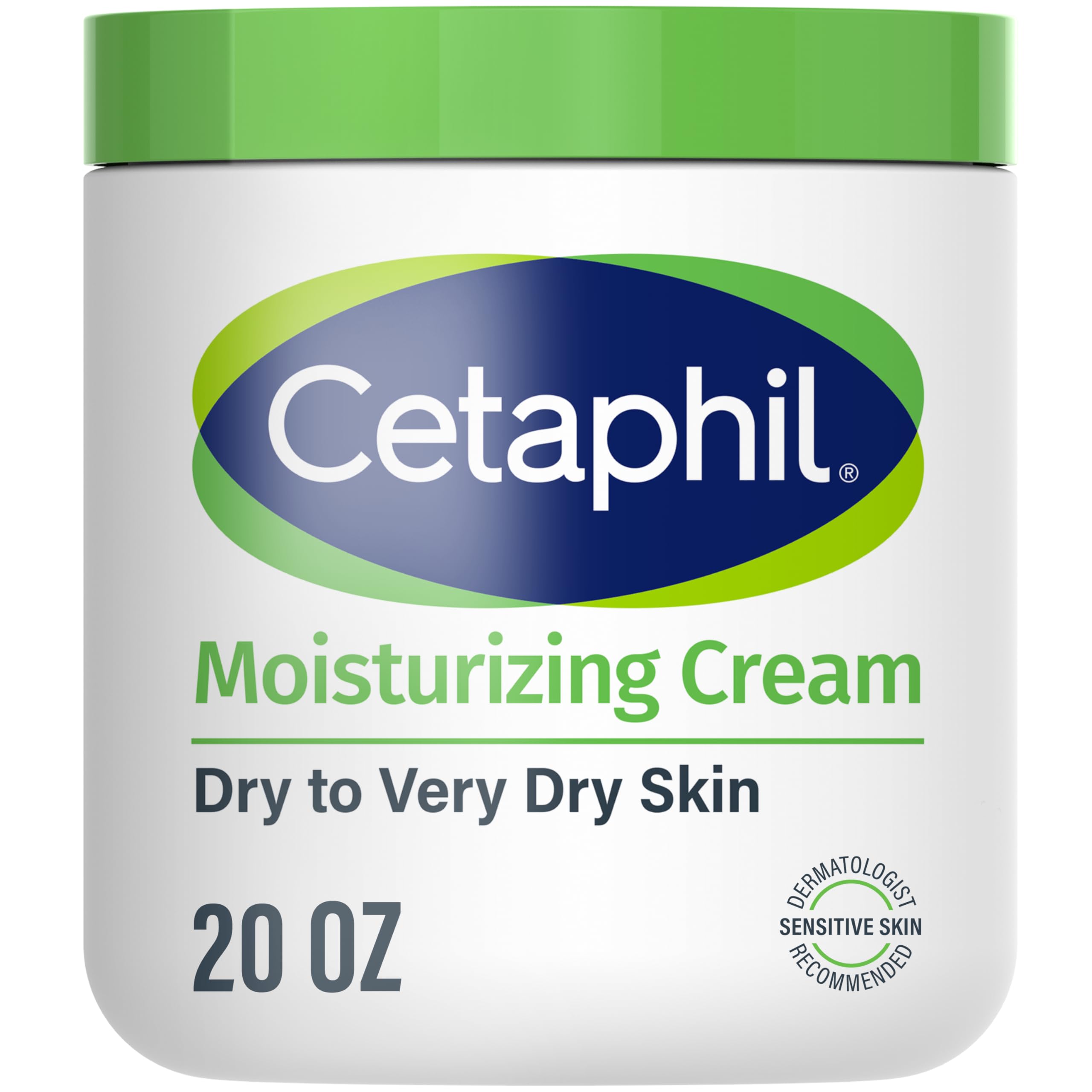
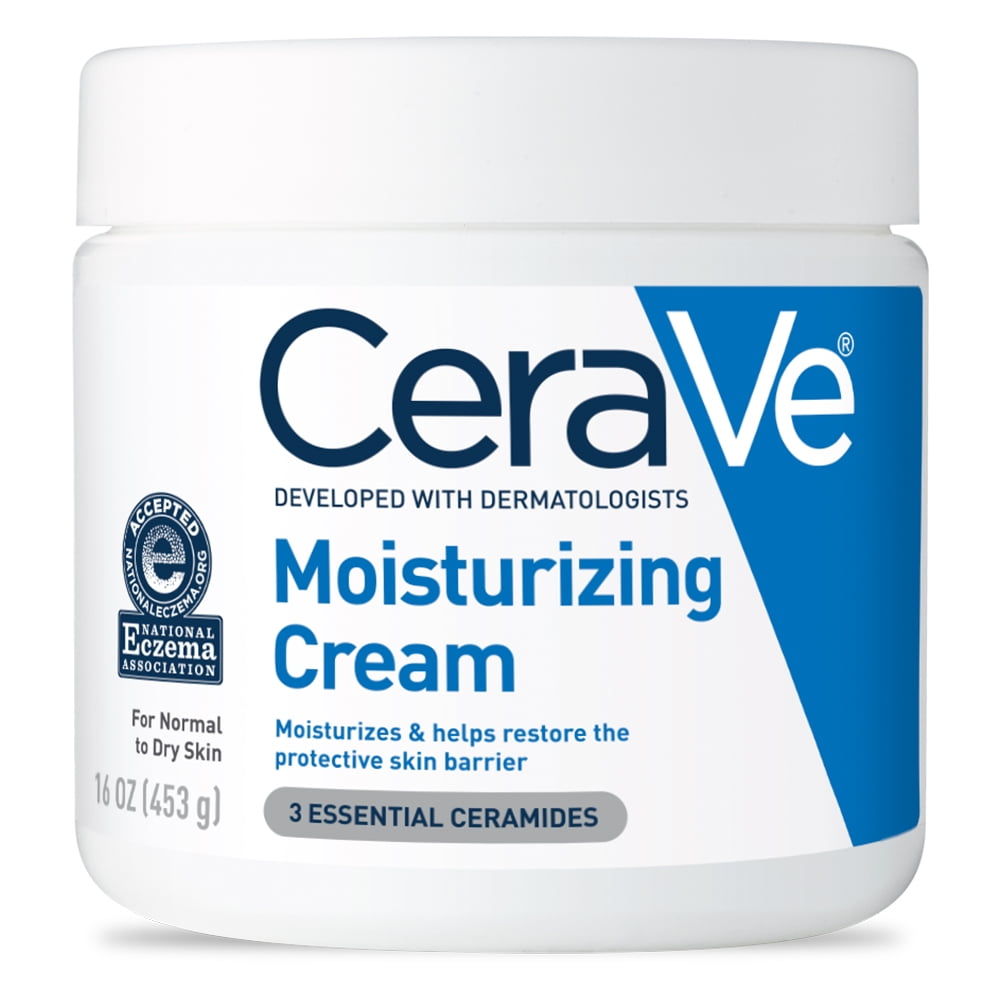
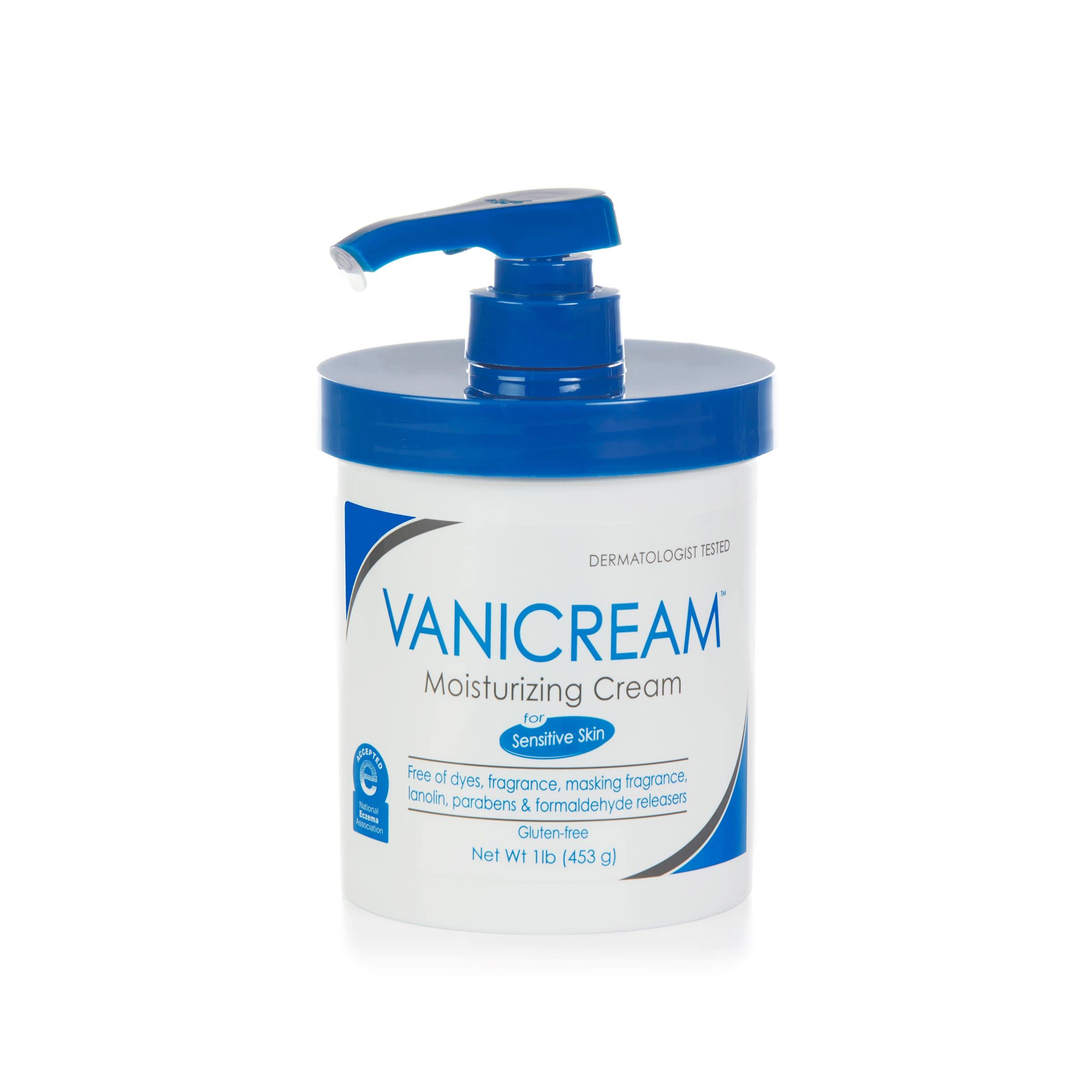
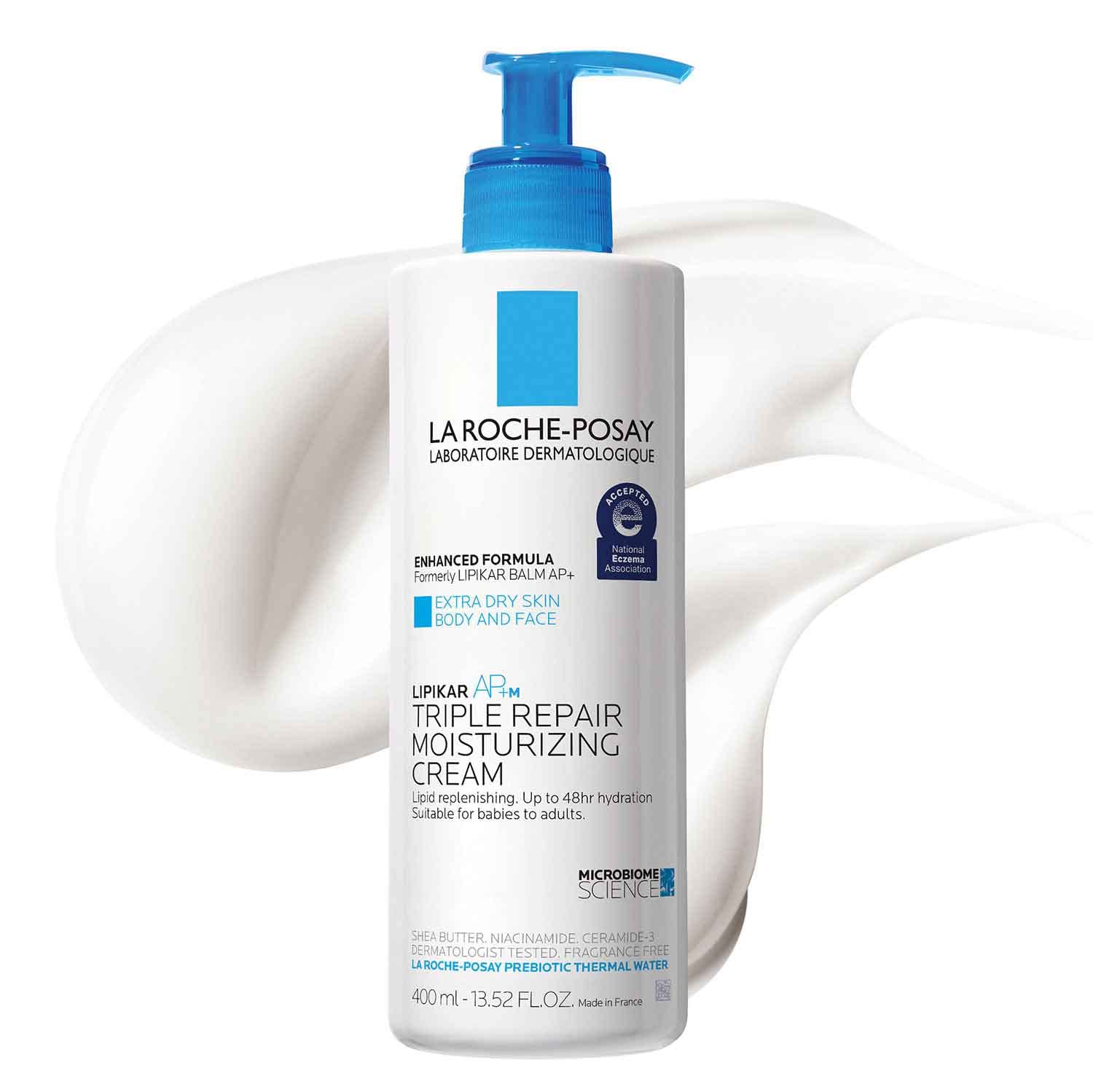
Ingredients at a Glance
Top actives per product + what overlaps
Cetaphil Moisturizing Cream
- Glycerin
- Petrolatum
- Niacinamide (Vitamin B3)
CeraVe Moisturizing Cream
- Ceramide NP (Ceramide 3)
- Hyaluronic Acid (Sodium Hyaluronate)
- Cholesterol
Vanicream Moisturizing Cream
- Petrolatum
- Sorbitol
- Cetearyl Alcohol
La Roche-Posay Lipikar AP+ Triple Repair Moisturizing Cream
- Ceramide-3
- Shea Butter
- Niacinamide
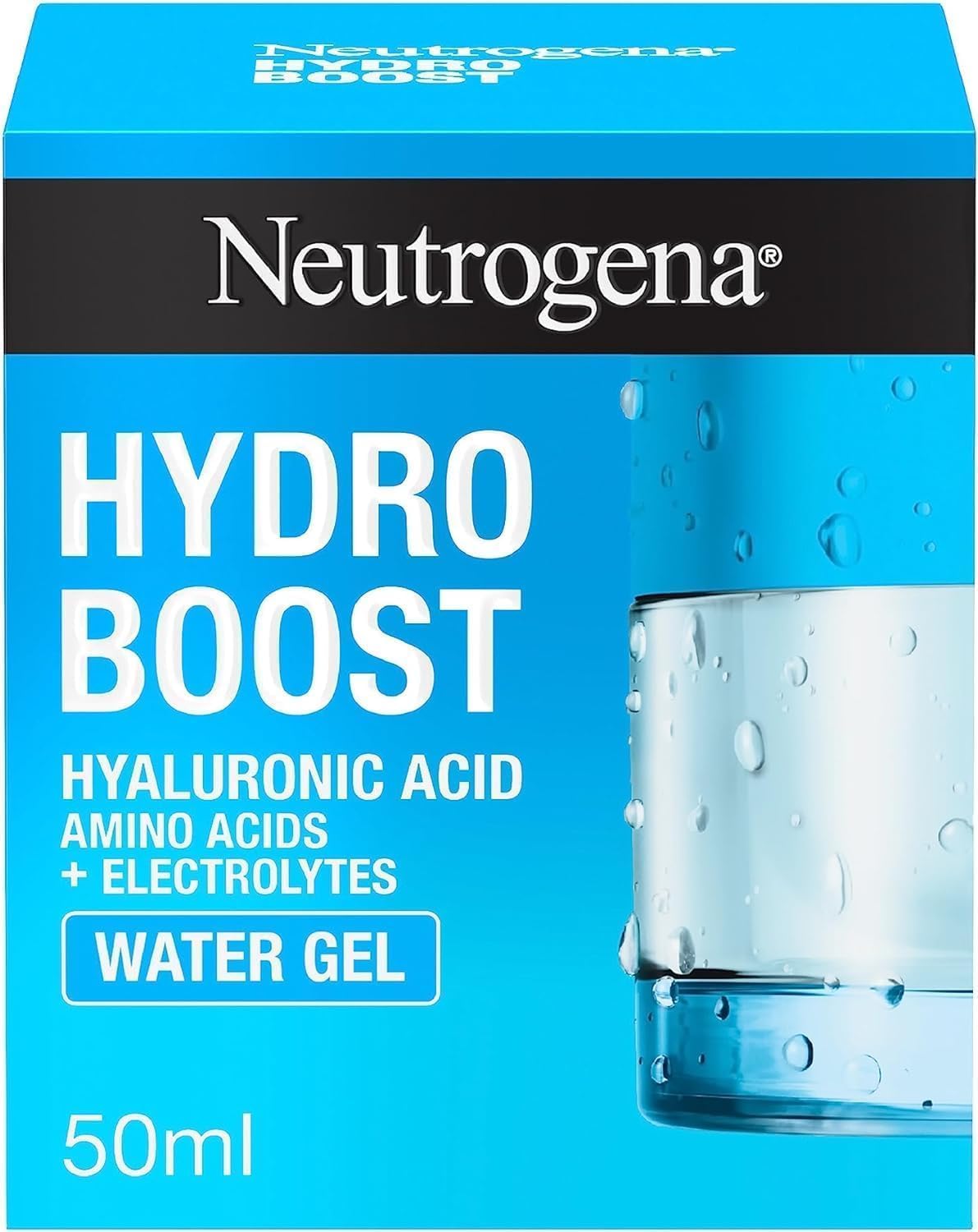
Neutrogena Hydro Boost Water Gel with Hyaluronic Acid
- Water
- Glycerin
- Dimethicone
Pharmacist's take
Most of these top-rated creams focus on restoring the skin's moisture barrier using ingredients like ceramides and hyaluronic acid. For very sensitive or allergy-prone skin, a formula free of common irritants like Vanicream is a great starting point, while the Neutrogena gel offers a lighter texture for those who dislike heavy creams.
Safety Information
See a doctor if…
- Your skin is intensely itchy, especially if it disrupts your sleep.
- You develop open sores or skin infections from scratching.
- Despite regular moisturizing, your skin isn't improving after several weeks.
- You have large areas of scaling or peeling skin.
- Your dry skin is accompanied by redness and swelling.
Sources
Primary Sources
- [0]Moisture-associated skin damage (MASD): A best practice recommendation from Wund-D.A.CH.
Dissemond J, Assenheimer B, Gerber V, et al., Journal der Deutschen Dermatologischen Gesellschaft = Journal of the German Society of Dermatology : JDDG, 2021 · 2021
- [1]Vaginal Dilators: Issues and Answers.
Liu M, Juravic M, Mazza G, et al., Sexual medicine reviews, 2021 · 2021
- [2]Inhalational anaesthetics in the ICU: theory and practice of inhalational sedation in the ICU, economics, risk-benefit.
Meiser A, Laubenthal H, Best practice & research. Clinical anaesthesiology, 2005 · 2005
- [3]FDA — Modernization of Cosmetics Regulation Act (MoCRA)
FDA — Modernization of Cosmetics Regulation Act (MoCRA)
- [4]Clinical Practice Guideline: Nosebleed (Epistaxis).
Tunkel DE, Anne S, Payne SC, et al., Otolaryngology--head and neck surgery : official journal of American Academy of Otolaryngology-Head and Neck Surgery, 2020 · 2020
- [5]British Association of Critical Care Nurses: Evidence-based consensus paper for oral care within adult critical care units.
Collins T, Plowright C, Gibson V, et al., Nursing in critical care, 2021 · 2021
Expert Authorities
- [6]AAD — How to apply sunscreen
AAD — How to apply sunscreen
- [7]AAD — Dry skin: Diagnosis and treatment
AAD — Dry skin: Diagnosis and treatment