Beauty & Fitness
Mineral Sunscreen: Is It Better for Your Skin?
~1 min read
Top Beauty & Fitness #1Week of 2026-04-06
Reviewed by Dr. Younghun ChoLast reviewed April 12, 2026
The 1-Minute Read
low confidenceMineral sunscreens offer sun protection by physically blocking the sun's rays. Unlike chemical sunscreens that absorb UV radiation and convert it to heat, mineral formulas use active ingredients like zinc oxide and titanium dioxide to form a protective barrier on the skin's surface. This mechanism is why they are often called 'physical blockers'. Many people, especially those with sensitive, reactive, or acne-prone skin, prefer mineral sunscreens because the ingredients are generally considered gentle and less likely to cause skin irritation or allergic reactions. The main drawback historically has been the thick, white residue they can leave behind. However, modern formulations have greatly improved, with micronized or tinted versions that offer a more cosmetically elegant finish, making them much easier to wear daily. For anyone looking for gentle yet effective sun protection, a broad-spectrum mineral sunscreen with an SPF of 30 or higher is a reliable choice.
Key Takeaways
- Mineral sunscreens use zinc oxide and titanium dioxide to physically block UV rays.
- They sit on top of the skin, making them a good option for sensitive skin.
- Look for "broad-spectrum" protection and an SPF of at least 30.
- Newer formulas, sometimes called 'micronized' or tinted, reduce the white cast.
- Some formulas are 'hybrid,' mixing mineral and chemical filters.
Recommended Products
Top pharmacist-reviewed picks mentioned in this article.
Ingredients at a Glance
Top actives per product + what overlaps
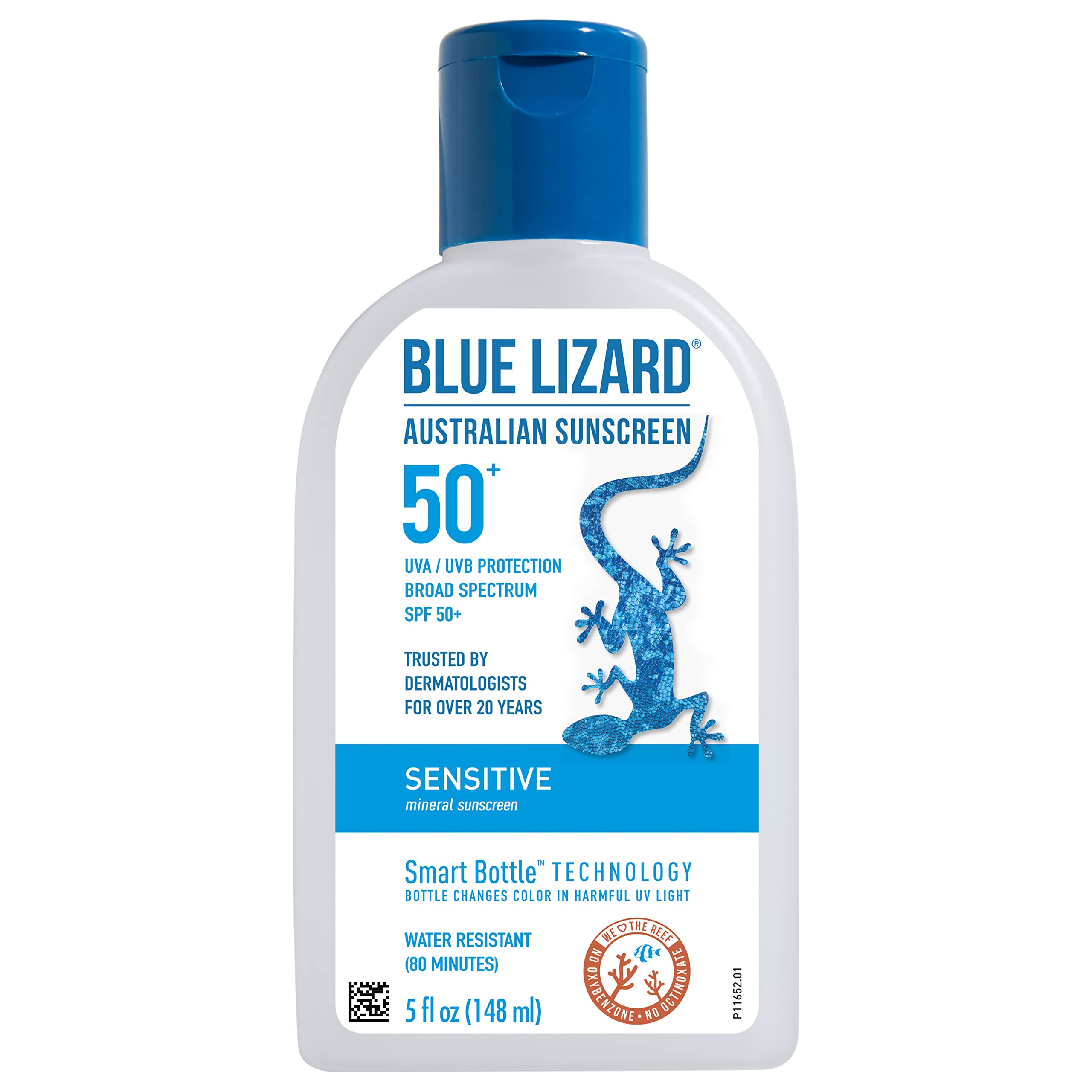
Blue Lizard Sensitive SPF 50
- Zinc Oxide (10%)
- Titanium Dioxide (8%)
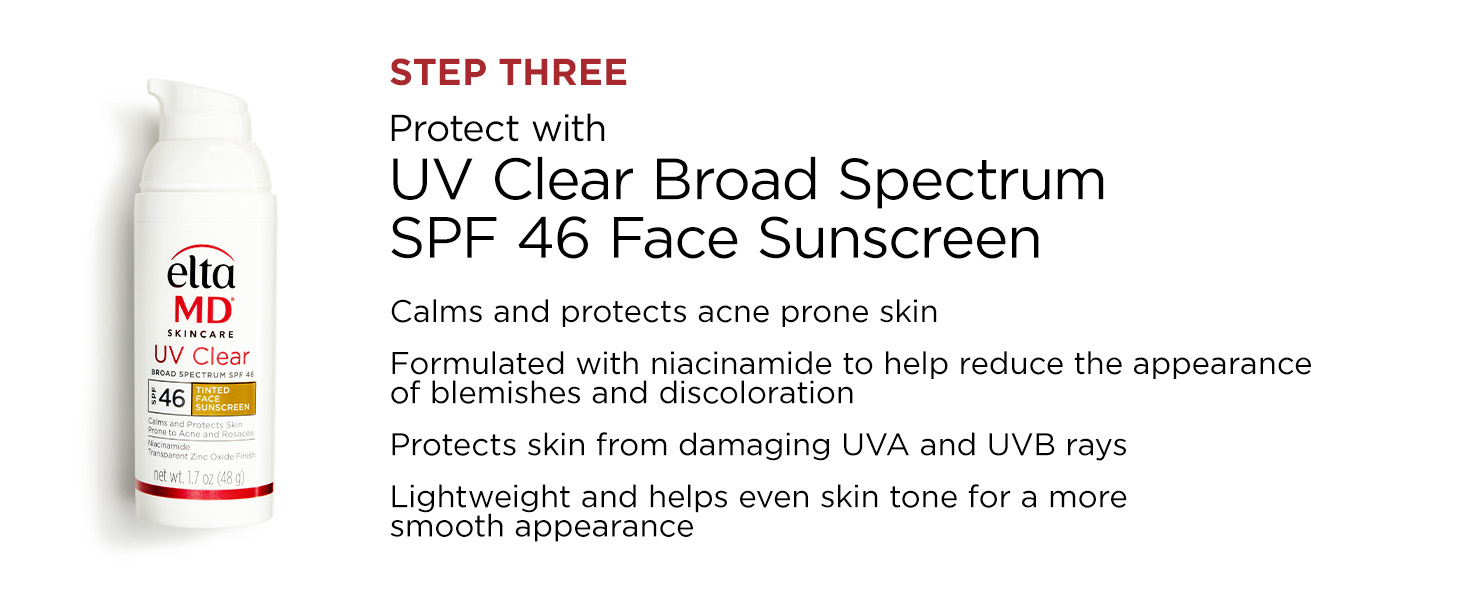
EltaMD UV Clear SPF 46
- Zinc Oxide (9.0%)
- Octinoxate (7.5%)
- Niacinamide (Vitamin B3)
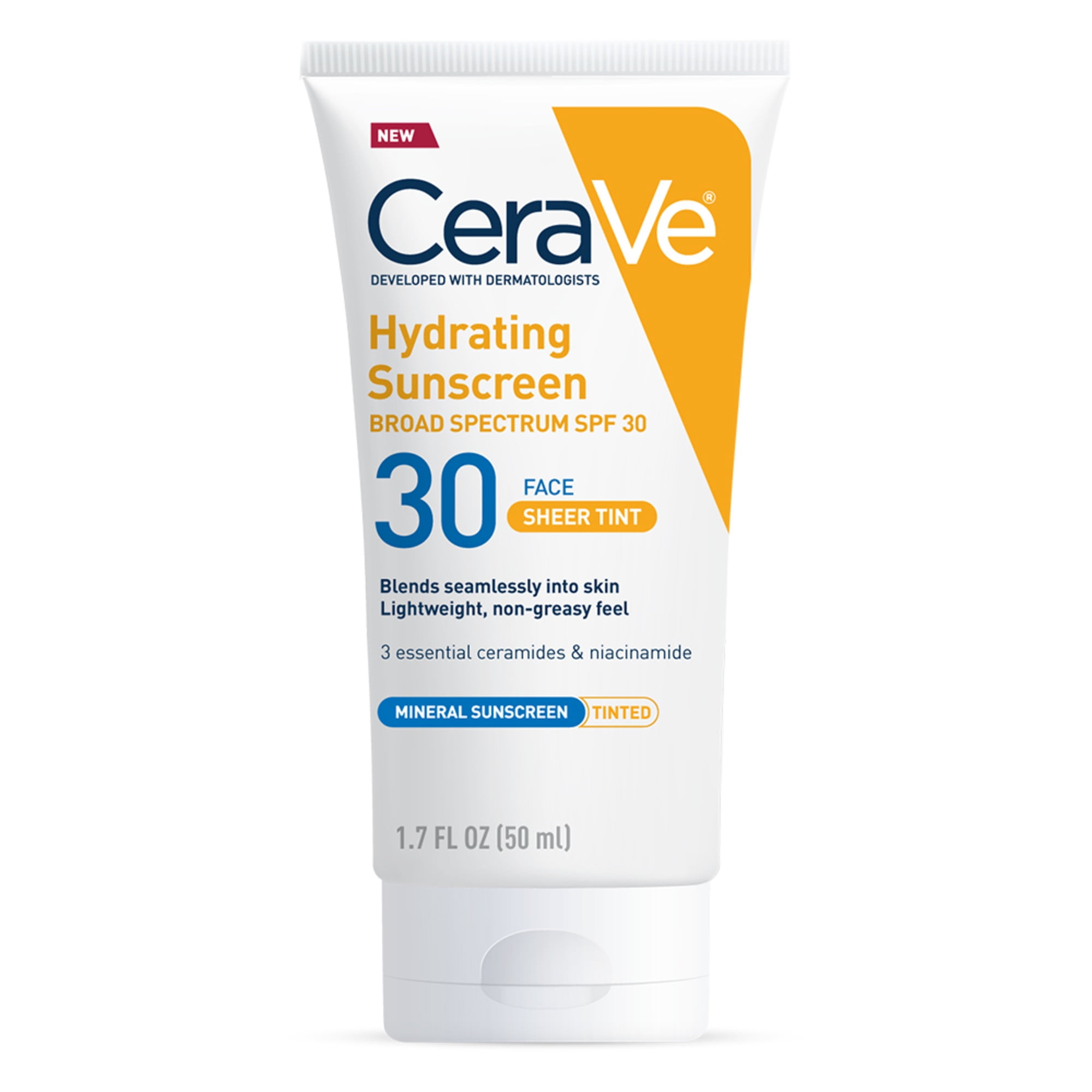
CeraVe Hydrating Sunscreen SPF 30
- Zinc Oxide
- Titanium Dioxide
- Ceramides (1, 3, 6-II)
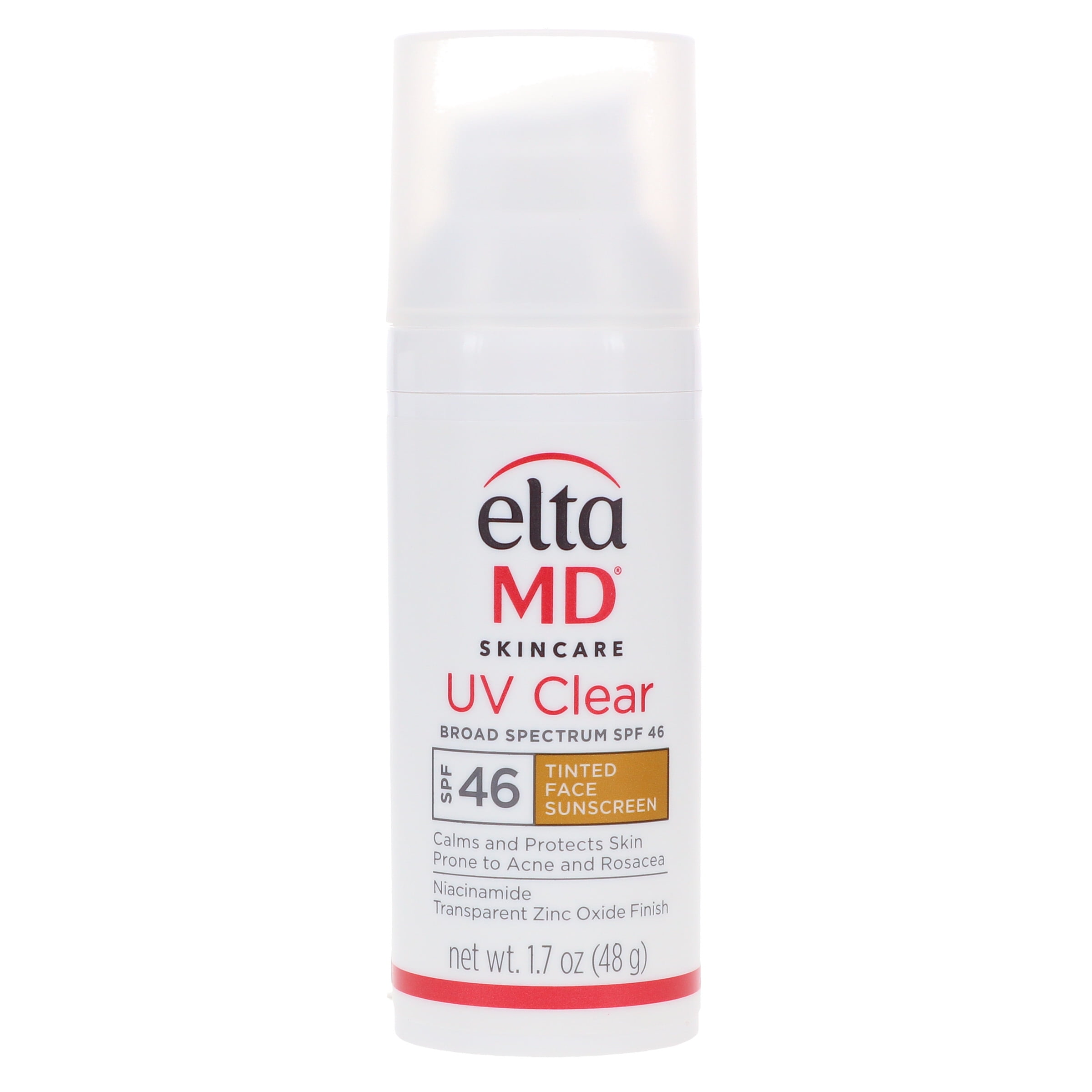
EltaMD UV Clear Broad-Spectrum SPF 46
- Zinc Oxide (9.0%)
- Octinoxate (7.5%)
- Niacinamide (Vitamin B3)
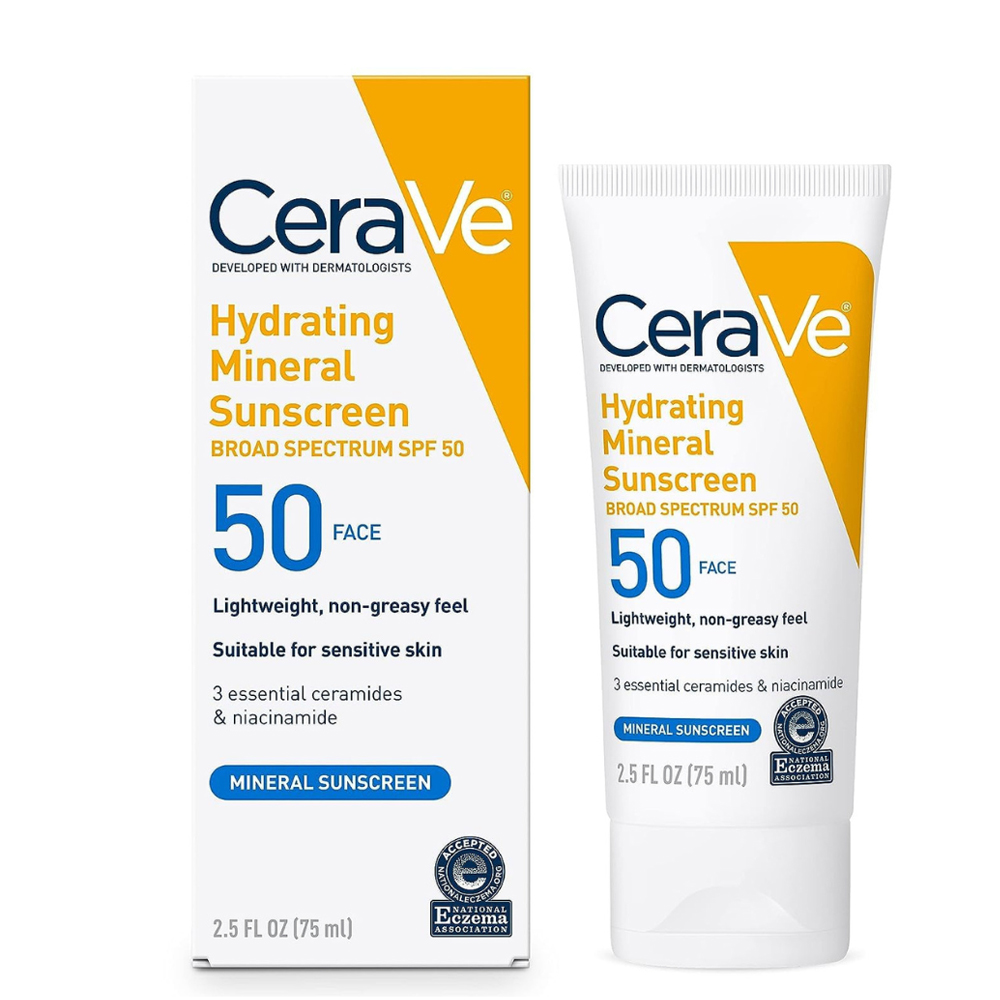
CeraVe Hydrating Mineral Sunscreen SPF 50 Face Lotion
- Titanium Dioxide (9%) & Zinc Oxide (7%)
- Ceramides (NP, AP, EOP)
- Hyaluronic Acid
Pharmacist's take
Many of these sunscreens use a combination of zinc oxide and titanium dioxide. The EltaMD UV Clear stands out as a 'hybrid' formula, adding the chemical filter Octinoxate alongside niacinamide to help calm the skin. The CeraVe and Blue Lizard options are purely mineral-based, with the CeraVe products also including ceramides to support the skin's moisture barrier.
Shared:Zinc Oxide (9.0%)Octinoxate (7.5%)Niacinamide (Vitamin B3)
Safety Information
See a doctor if…
- You develop a rash, itching, or redness after applying.
- You get a sunburn despite applying as directed.
- A new skin spot or a mole that changes in size, shape, or color.
Sources
Primary Sources
- [0]Evidence-based review article
PubMed Review, 2024