
Are You Taking Your Supplements Wrong? A Pharmacist's Guide to Safety and Efficacy
Contents
TL;DR
Navigating the world of dietary supplements can be confusing, with conflicting advice about timing, combinations, and long-term safety. My research addresses the most common questions to help you build a safe and effective routine. We'll explore the optimal times to take popular supplements like Omega-3, magnesium, and probiotics to maximize their benefits. It's also important to understand which combinations to approach with caution, not because they are toxic, but because they might compete for absorption or have overlapping effects, such as multiple blood-thinning agents. While most supplements don't require a 'break,' we'll identify specific situations, particularly with high-dose fat-soluble vitamins, where cycling can be beneficial. This guide also debunks persistent myths regarding liver damage from regular supplement use, the supposed superiority of 'natural' vitamins, and unfounded fears linking Omega-3s to hormonal issues. The goal is to provide clear, evidence-based answers so you can supplement confidently and effectively.
Key Takeaways
- Time your supplements for best results: Take energizing B-vitamins in the morning and calming magnesium in the evening. Most others are best taken with food to improve absorption and minimize stomach upset.
- Be mindful of supplement stacking. Most combinations are safe, but high doses of minerals like iron and calcium can compete for absorption, and combining multiple blood-thinning or blood-sugar-lowering supplements requires caution.
- Supplement 'breaks' are generally unnecessary for standard doses. Only consider cycling for mega-doses of fat-soluble vitamins (A, D), high-dose zinc, or certain herbal formulas.
- Don't fall for marketing hype. 'Natural' doesn't always mean better, and common fillers (excipients) in supplements are used in tiny, safe amounts and are not a cause for concern.
- Concerns about Omega-3 causing hormonal issues or gout are unfounded. It is an anti-inflammatory fatty acid, not a hormone or a purine.
A Practical Guide to Supplement Timing and Combinations
To get the most out of your supplements, timing can be just as important as consistency. My research indicates that aligning your intake with your body's natural rhythms and meal schedules can significantly enhance efficacy. For instance, B-complex vitamins are crucial for energy metabolism, making them ideal for your morning routine after breakfast. Conversely, magnesium plays a role in muscle relaxation and the nervous system, which is why taking it after dinner can be beneficial for winding down. For most other supplements, including Omega-3 and Vitamin D, taking them with a meal that contains some fat can boost their absorption. While most common supplements can be taken together without issue, it's wise to be strategic. High doses of minerals like calcium, iron, and zinc can compete for the same absorption pathways in your gut. To maximize their uptake, it's best to separate them by a few hours. Similarly, be mindful of stacking supplements with overlapping biological effects. Taking multiple products that support blood circulation, such as Omega-3, ginkgo biloba, and garlic extract, could have an additive effect that might increase the risk of bruising or low blood pressure in sensitive individuals.
The Truth About Supplement Safety and Side Effects
A common concern is whether long-term supplement use can be harmful, particularly to the liver. For healthy individuals taking standard doses of common vitamins, minerals, and compounds like Omega-3, the risk is negligible. The liver is a robust organ designed to metabolize substances; problems typically only arise with excessive mega-doses of specific ingredients, such as fat-soluble vitamin A or niacin, or in individuals with pre-existing liver conditions. The idea that you need to take a 'break' from all supplements is largely a myth. Cycling is a strategy best reserved for high-dose regimens or specific herbal protocols. It's also important to look past marketing claims. The 'natural' or 'whole-food' label doesn't automatically confer superiority; these products are often less potent and more expensive. Similarly, fears about common manufacturing aids, or 'excipients,' like magnesium stearate, are unfounded, as they are used in minuscule, safe quantities. Many concerns are based on misunderstandings. For example, the myth that Omega-3 harms uterine health stems from confusing the fatty acid DHA with the hormone DHEA—they are completely unrelated. Evidence-based information is key to supplementing safely and effectively.
Study Notes
Optimizing Supplement Timing
- Omega-3: Best taken after a meal to enhance absorption; time of day does not matter.
- Magnesium: Take after any meal. Can be taken after dinner if it promotes sleepiness, but avoid taking it right at bedtime on an empty stomach.
- B-Vitamins: Take after breakfast or lunch to support energy metabolism during the day. Avoid evening doses.
- Vitamin D: Take after breakfast or lunch, as evening doses may interfere with sleep for some individuals.
- Probiotics: Generally can be taken anytime, with or without food. If you have a sensitive product, taking it on an empty stomach is a safe bet.
- Vitamin C: Best taken after a meal to prevent potential stomach irritation.
Understanding Supplement Combinations
- Most supplement combinations are safe at standard doses.
- Mineral Competition: High doses of certain minerals, like calcium and iron, can compete for absorption. It may be beneficial to take them at different times.
- Synergistic Effects: Be cautious when stacking multiple supplements with similar functions. Combining several blood-thinning agents (e.g., Omega-3, ginkgo) or blood-sugar-lowering agents (e.g., berberine, chromium) can amplify effects and may lead to side effects like bruising or hypoglycemia.
The Role of Supplement 'Breaks' or Cycling
- Not Required for Most Supplements: Continuous use of most supplements at standard dosages is safe and effective.
- Consider Breaks for Mega-Doses: High doses of fat-soluble vitamins (A, D), niacin (B3), iron (>40mg), and zinc (>40mg) can accumulate or cause imbalances, warranting periodic breaks.
- Short-Term Use for Specific Botanicals: Certain herbal supplements like St. John's Wort (due to drug interactions) and intense 'detox' or 'diet' formulas are intended for short-term use, not continuous intake.
Common Supplement Myths and Concerns
- Liver Safety: Standard doses of common supplements do not harm the liver in healthy individuals. Caution is needed only with very high doses of specific compounds (e.g., green tea extract, niacin, vitamin A) or for those with pre-existing liver conditions.
- 'Natural' vs. Synthetic: 'Natural' is often a marketing term that does not guarantee superiority. Synthetic vitamins can be equally effective, more stable, and more affordable.
- Magnesium and Diarrhea: This is a common side effect, especially with the magnesium oxide form. Splitting the dose, taking it with food, or switching to a more absorbable form like magnesium glycinate can resolve the issue.
- Omega-3 Misconceptions: Omega-3 fatty acids (DHA/EPA) do not cause gout and are not related to the hormone precursor DHEA. They do not negatively impact uterine fibroids and, in fact, can be beneficial due to their anti-inflammatory properties.
- Excipients (Fillers): Ingredients like magnesium stearate are used in trace amounts for manufacturing and are considered safe. Concerns about their danger are largely unfounded.
- NMN and Cancer Risk: The research is currently inconclusive and conflicting. There is no clear evidence to suggest NMN causes or accelerates cancer in humans.
Products Mentioned
Analyzed by Dr.pharmacist — tap through for the ingredient breakdown or shop across retailers.
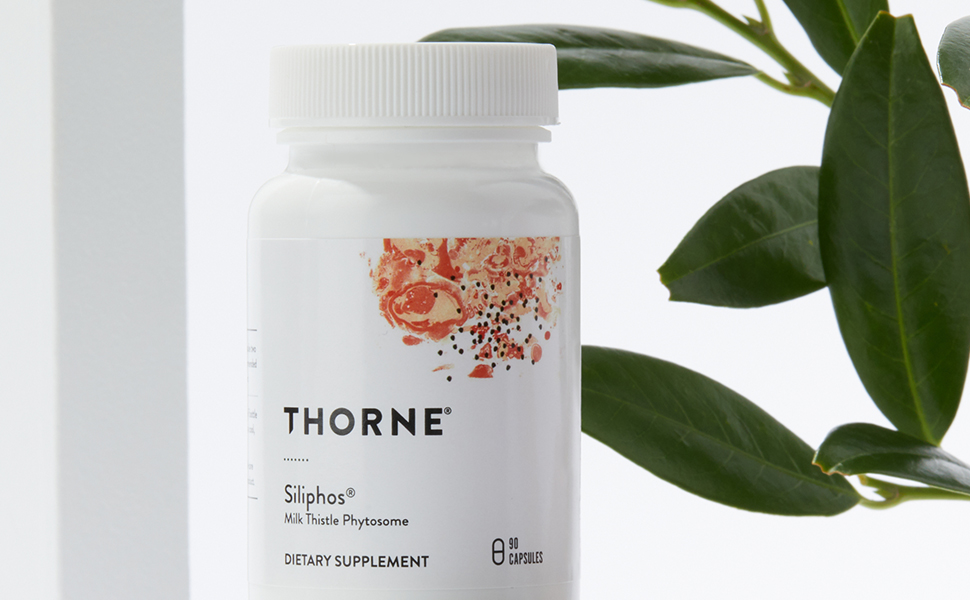
Thorne Siliphos
This product features a patented, highly absorbable form of milk thistle's active ingredient (silybin) bound to phospholipids, designed for enhanced liver support.
References
- 1.Omega-3 supplementation and diabetes: A systematic review and meta-analysis.
Delpino FM, Figueiredo LM, da Silva BGC, et al., Critical reviews in food science and nutrition, 2022 · PubMed
- 2.Omega-3 Polyunsaturated Fatty Acids in Youths with Attention Deficit Hyperactivity Disorder: a Systematic Review and Meta-Analysis of Clinical Trials and Biological Studies.
Chang JP, Su KP, Mondelli V, et al., Neuropsychopharmacology : official publication of the American College of Neuropsychopharmacology, 2018 · PubMed
- 3.Impact of Perioperative Immunonutrition on Postoperative Outcomes for Patients Undergoing Head and Neck or Gastrointestinal Cancer Surgeries: A Systematic Review and Meta-analysis of Randomized Controlled Trials.
Matsui R, Sagawa M, Sano A, et al., Annals of surgery, 2024 · PubMed
- 4.Effect of omega-3 fatty acids on premenstrual syndrome: A systematic review and meta-analysis.
Mohammadi MM, Dehghan Nayeri N, Mashhadi M, et al., The journal of obstetrics and gynaecology research, 2022 · PubMed
- 5.Association Between Omega-3 Fatty Acid Intake and Dyslipidemia: A Continuous Dose-Response Meta-Analysis of Randomized Controlled Trials.
Wang T, Zhang X, Zhou N, et al., Journal of the American Heart Association, 2023 · PubMed
About the Reviewer
Younghun Cho
Reviews every article and product analysis on Dr.pharmacist for accuracy against FDA labeling, peer-reviewed literature, and current pharmacy practice. AI-assisted drafts are not published without this review step.
This analysis was AI-drafted and reviewed for accuracy. Always consult your pharmacist or healthcare provider for personalized advice. Product links may earn us a small commission at no extra cost to you.