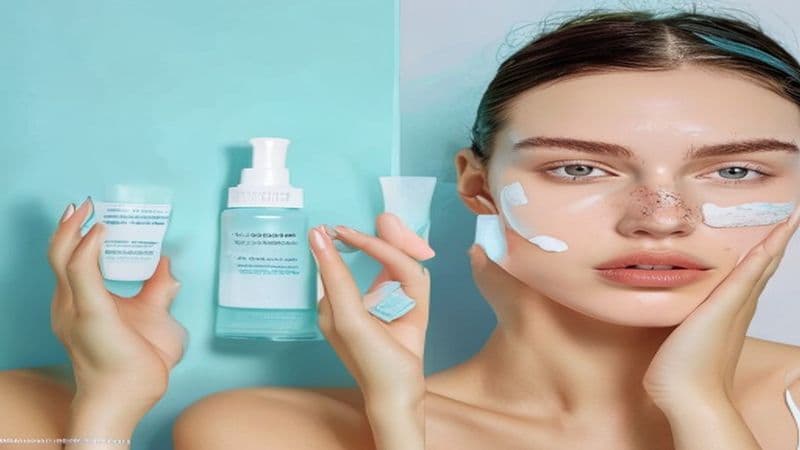
Four Common Skincare Habits That May Be Harming Your Skin
Contents
TL;DR
Many popular skincare routines, from daily sheet masking to regular saunas, promise glowing, youthful skin. However, our research indicates some of these common practices could be doing more harm than good. Daily sheet masking, for instance, can dramatically increase the absorption of cosmetic ingredients, raising the risk of irritation and clogged pores, especially for those with oily or sensitive skin. Similarly, the intense heat from saunas and long, steamy showers can damage the skin's protective barrier, leading to dryness, redness, and increased sensitivity, while the 'detoxifying' benefits are largely overstated. Aggressive exfoliation is another area of concern; while it can benefit oily skin, it often strips necessary moisture from dry skin, worsening flakiness. Even seemingly harmless 'hacks' like using petroleum jelly as a facial moisturizer can backfire by clogging pores and triggering breakouts. Understanding your skin type and the science behind these habits is key to building a routine that truly supports skin health.
Key Takeaways
- Limit sheet masks to once or twice a week to avoid potential irritation and clogged pores from excessive ingredient absorption.
- Avoid saunas and long, hot showers, as the intense heat can strip the skin’s natural protective barrier and worsen redness.
- Exfoliate based on your skin type; oily skin may benefit from clearing pores, but dry, flaky skin needs more hydration, not scrubbing.
- Use petroleum jelly on lips or minor wounds, not as an all-over face moisturizer, to prevent it from clogging pores.
The Daily Sheet Mask Dilemma
The 'one mask a day' trend has gained significant popularity, promoted as a simple path to hydrated, glowing skin. However, the core mechanism of a sheet mask—occlusion—is a double-edged sword. By creating a barrier over the skin, a mask dramatically enhances the penetration of the serum it's soaked in, by as much as five to ten times. While this can boost hydration, it also magnifies the risk of irritation. A product with 40 or more ingredients, which is common, has a higher chance of containing a potential irritant or allergen. When absorption is amplified, even a normally benign ingredient can trigger irritant contact dermatitis. For individuals with oily or acne-prone skin, this occlusive environment can trap oil and bacteria, leading to clogged pores, whiteheads, and breakouts. A more balanced approach is to view sheet masks as a weekly treatment rather than a daily necessity, especially for those with sensitive or oily skin.
Heat, Steam, and Your Skin's Defenses
A hot sauna or a long, steamy shower can feel incredibly relaxing and cleansing, but it can be harsh on your skin. The idea of 'sweating out toxins' is a pervasive myth; sweat is 99% water, and the body's primary detoxification organs are the liver and kidneys. The pleasant sensation experienced is largely due to the release of endorphins. The real impact of intense heat and steam is on the skin barrier, the outermost layer responsible for locking in moisture and keeping out irritants. High temperatures can strip this protective barrier of its essential lipids, leading to dehydration, sensitivity, and itchiness. It can also dilate blood vessels, which can trigger or worsen conditions like rosacea and persistent facial redness. A better practice for skin health is to take shorter, lukewarm showers and to moisturize immediately afterward to lock in hydration.
To Exfoliate or Not to Exfoliate?
Exfoliation is often touted as a universal solution for dullness and uneven texture. However, its effectiveness is highly dependent on skin type and condition. The skin has a natural turnover cycle of about 28 days, shedding dead cells on its own. For those with oily, congested, or acne-prone skin, exfoliation can be a useful tool to help clear the buildup of dead cells that can clog pores. The key is to use a gentle approach, perhaps once or twice a week. The problem arises when people with dry, flaky skin turn to aggressive scrubs. In this case, the flakes are not a sign of buildup but of dehydration and a compromised skin barrier. Scrubbing this type of skin will only cause further damage and moisture loss. The correct response is to replenish moisture with hydrating serums and rich moisturizers to help repair the skin's barrier and resolve the flakiness.
Rethinking Kitchen Cabinet Skincare
The appeal of using simple, single-ingredient products like petroleum jelly as a facial moisturizer is understandable, especially given its low cost and reputation for healing. Petroleum jelly is an exceptional occlusive—it's one of the best ingredients for creating a physical barrier to prevent water from evaporating from the skin. This makes it ideal for protecting minor cuts, burns, or severely chapped lips. However, this same heavy, sealing property is what makes it problematic for facial use. The face has a high concentration of sebaceous glands, and a thick layer of petroleum jelly can easily trap oil and dead skin cells, leading to clogged pores and acne. While it may be tolerated by those with extremely dry, non-acne-prone skin, it's a significant risk for most others. Similarly, medicated ointments are formulated as treatments for specific conditions like wounds, not as daily-use cosmetic products.
Study Notes
Daily Sheet Masking: Risks vs. Benefits
- Sheet masks work by occlusion, which can increase the absorption of ingredients by 5 to 10 times.
- This heightened absorption raises the risk of irritant contact dermatitis, even from generally safe ingredients.
- With many products containing over 40 ingredients, the probability of an allergic reaction also increases with frequent use.
- For oily or acne-prone skin, the occlusive nature of masks can trap sebum and bacteria, leading to clogged pores, whiteheads, and breakouts.
- This practice may be suitable for individuals with very dry and non-sensitive skin, but for most, limiting use to 1-2 times per week is a safer approach.
Saunas, Steam, and Skin Barrier Health
- The feeling of 'detoxification' from sweating in a sauna is primarily due to the release of mood-boosting beta-endorphins, not the removal of toxins.
- Sweat is composed of 99% water; a negligible amount of waste products are excreted through the skin.
- High heat and steam can damage the skin's protective lipid barrier, leading to increased moisture loss, dryness, and sensitivity.
- This barrier damage can exacerbate conditions like rosacea and general redness (flushing) by causing blood vessels to dilate.
- A practical rule for showers is to keep them short and use lukewarm water, aiming to finish before the bathroom mirror fogs up completely.
The Nuances of Exfoliation
- The skin naturally renews itself approximately every 28 days, shedding dead cells without intervention.
- For oily and acne-prone skin, gentle exfoliation can be beneficial for clearing keratin buildup that clogs pores.
- Conversely, for dry skin, visible flaking is typically a sign of dehydration, not excess dead skin that needs to be scrubbed off.
- Aggressively exfoliating dry, flaky skin can further compromise the skin barrier and worsen the condition.
- The appropriate action for dry, flaky skin is to apply hydrating and moisturizing products to restore the barrier, not to scrub it.
Evaluating Unconventional Moisturizers
- Petroleum jelly (Vaseline) is a powerful occlusive agent, meaning it forms a seal to prevent moisture loss, but it does not add hydration to the skin itself.
- While excellent for healing wounds or protecting chapped lips, its heavy, pore-clogging nature makes it a poor choice for an all-over facial moisturizer for most skin types.
- Medicated ointments containing ingredients like Centella Asiatica (found in products like Madecassol) are formulated in heavy, occlusive bases designed for targeted wound healing, not for daily cosmetic use on the entire face.
Products Mentioned
Analyzed by Dr.pharmacist — tap through for the ingredient breakdown or shop across retailers.
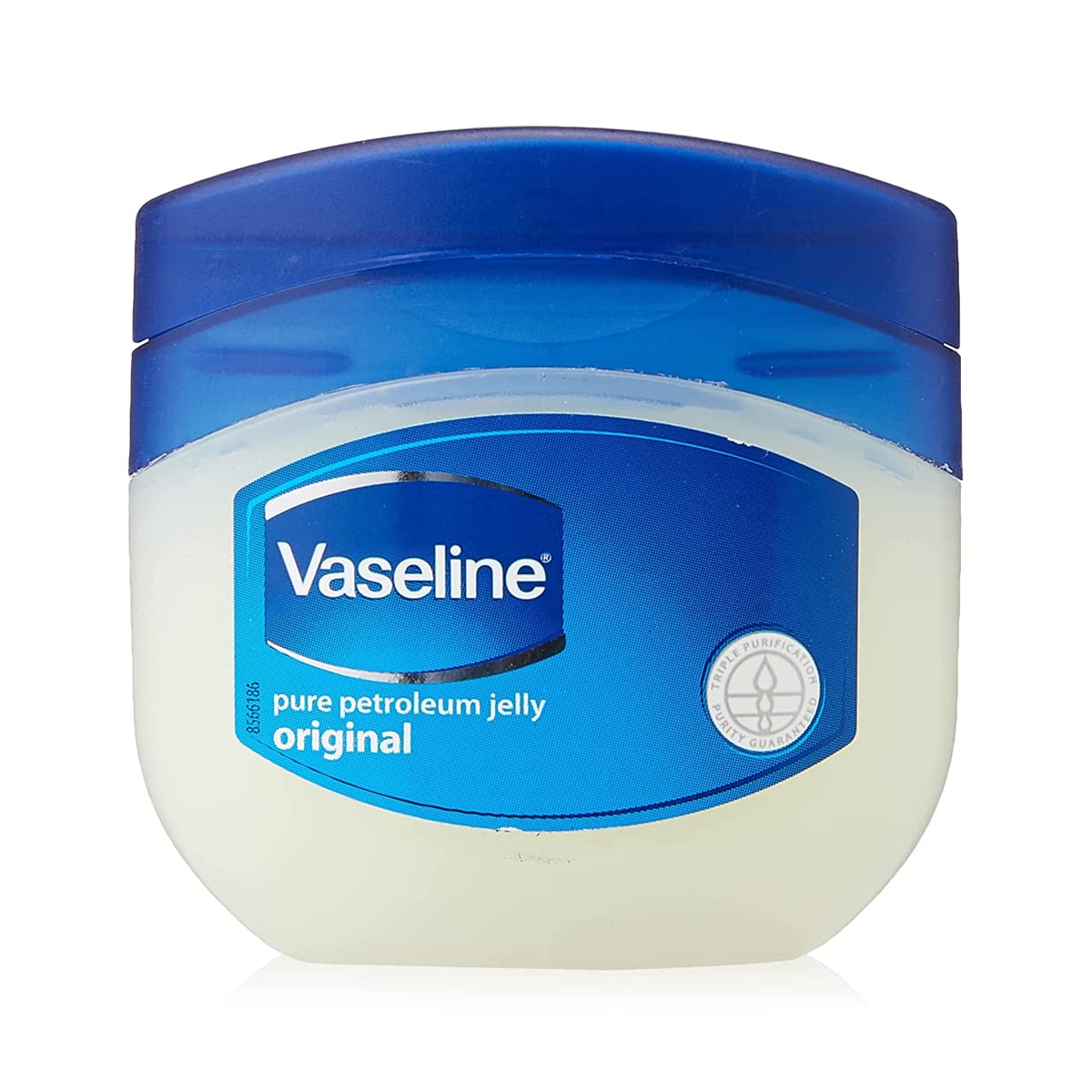
Vaseline Petroleum Jelly
This is a highly effective occlusive for sealing in moisture on lips or protecting minor wounds, but it is not recommended as a facial moisturizer due to its potential to clog pores.
About the Reviewer
Younghun Cho
Reviews every article and product analysis on Dr.pharmacist for accuracy against FDA labeling, peer-reviewed literature, and current pharmacy practice. AI-assisted drafts are not published without this review step.
This analysis was AI-drafted and reviewed for accuracy. Always consult your pharmacist or healthcare provider for personalized advice. Product links may earn us a small commission at no extra cost to you.