What is Acetaminophen?
Acetaminophen: Your go-to for everyday aches and fevers, but understanding its limits is key to safe use.
The Basics
Acetaminophen, also known as paracetamol outside the US, is a widely used over-the-counter medication primarily known for its ability to relieve pain (analgesic) and reduce fever (antipyretic). Unlike NSAIDs (nonsteroidal anti-inflammatory drugs) like ibuprofen or naproxen, acetaminophen does not significantly reduce inflammation.
Key Benefits
Effective Pain Relief
Well-studied and highly effective for relieving mild to moderate pain, including headaches, muscle aches, backaches, toothaches, menstrual cramps, and pain from colds and flu.
Fever Reduction
A well-established and effective treatment for reducing fever associated with various illnesses, helping to make you feel more comfortable.
Gentle on the Stomach
Compared to NSAIDs, acetaminophen is generally less irritating to the stomach lining, making it a preferred choice for individuals with a history of stomach ulcers or sensitivity to NSAIDs.
How It Works
While its exact mechanism isn't fully understood, acetaminophen is believed to work primarily in the central nervous system (brain and spinal cord). It's thought to reduce the production of prostaglandins, which are chemicals in the body that promote pain and fever. By inhibiting certain enzymes (like COX-2) in the brain, it effectively raises the body's pain threshold and helps to reset the body's 'thermostat' to reduce fever. Crucially, it has minimal activity in peripheral tissues, which is why it doesn't have significant anti-inflammatory effects like NSAIDs.
Effective Dose
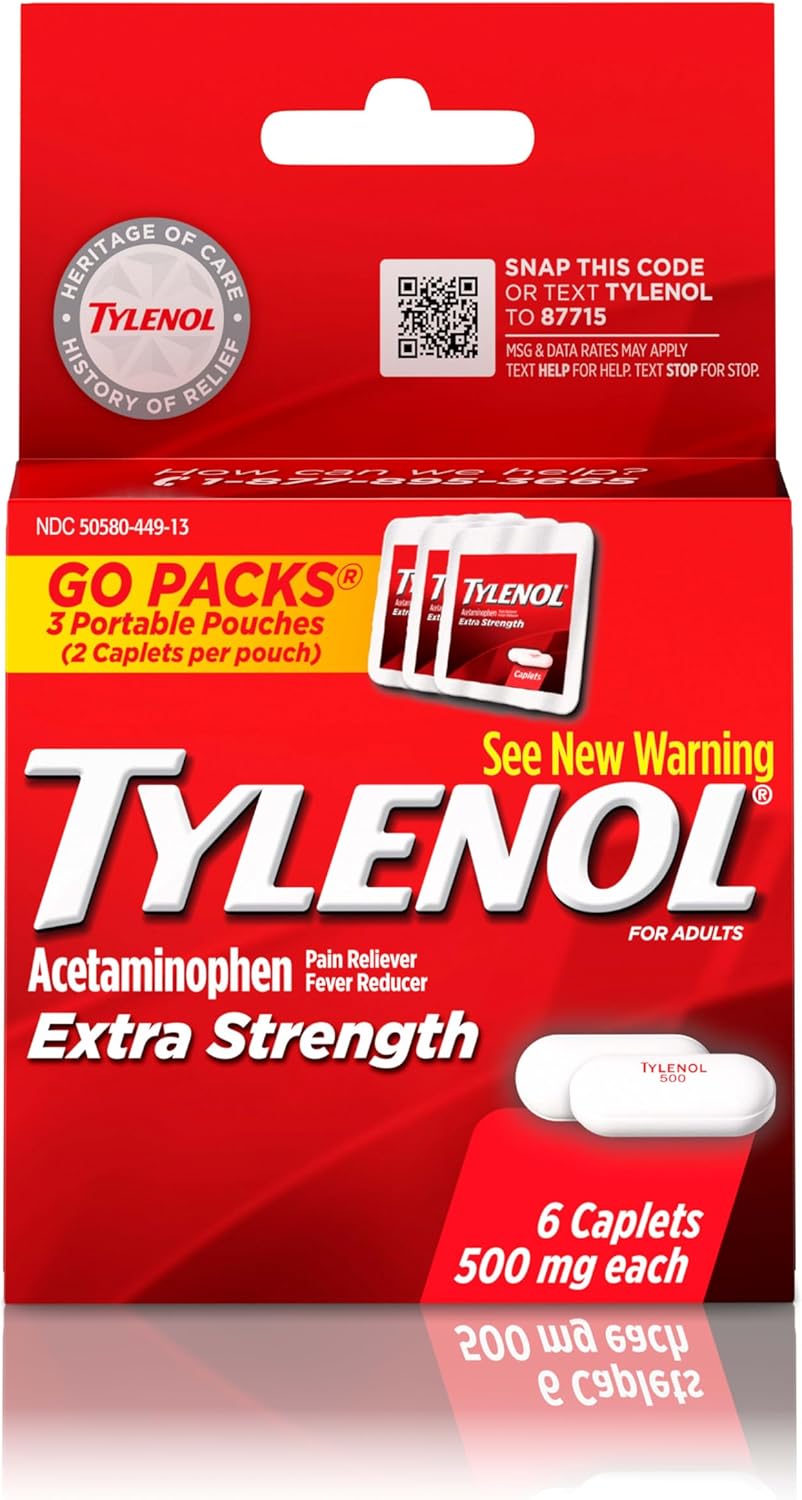
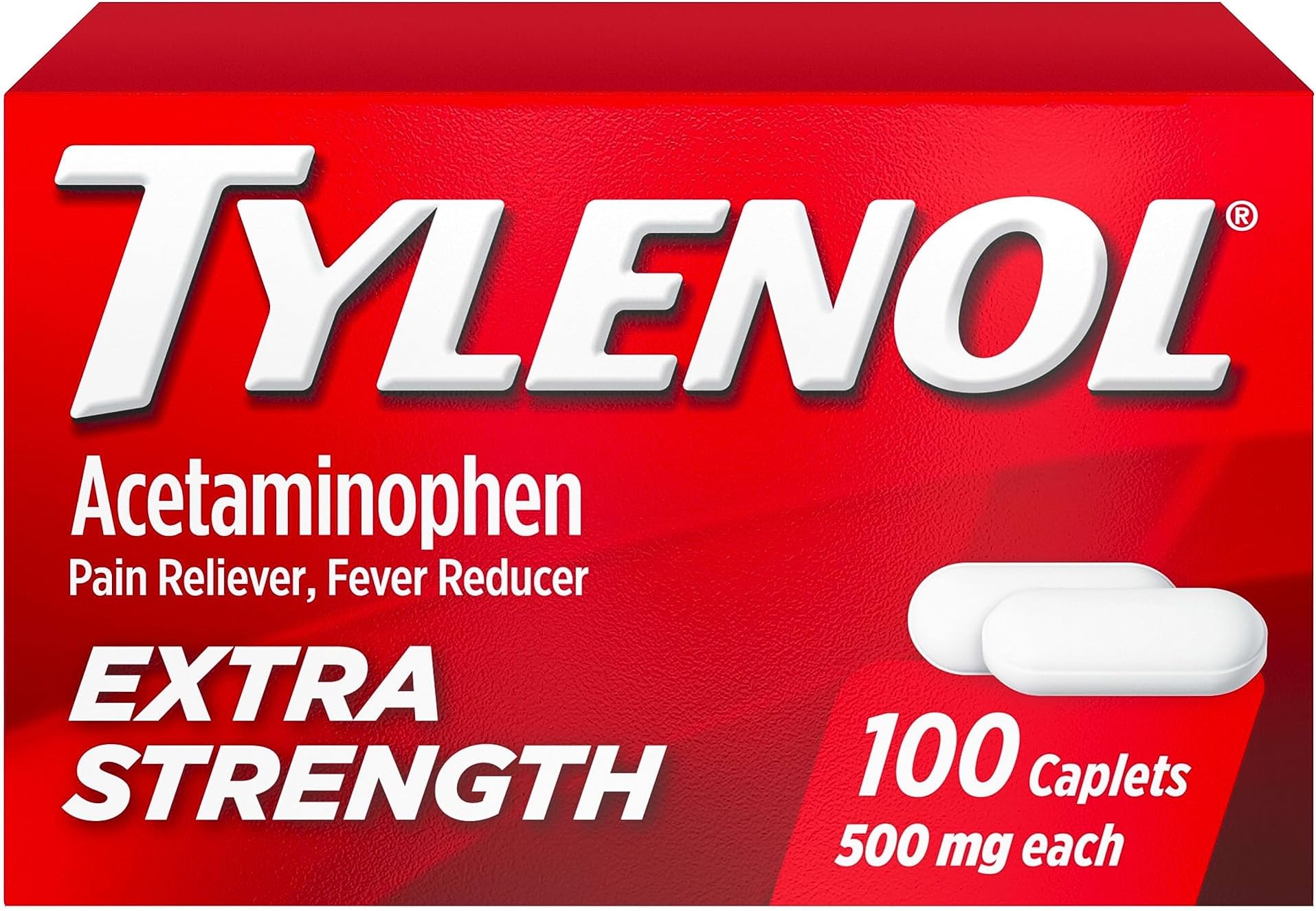
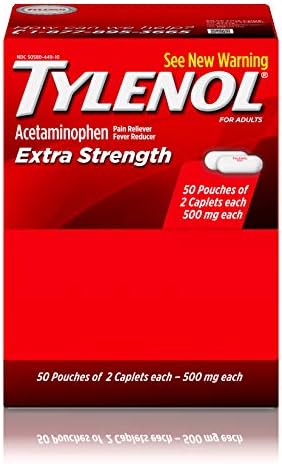
Common oral dosage forms include 325 mg (regular strength), 500 mg (extra strength), and 650 mg (extended release). Liquid formulations for children vary by concentration (e.g., 160 mg/5 mL). The maximum daily dose for adults is typically 3000-4000 mg, but always follow specific product instructions and consult a healthcare provider for personalized advice.
Who Benefits
- Individuals experiencing mild to moderate pain (e.g., headaches, muscle aches, menstrual cramps)
- Individuals with fever due to colds, flu, or other infections
- People who cannot take NSAIDs due to stomach issues, kidney problems, or certain cardiovascular conditions (consult a doctor)
- Children and infants (with appropriate dosing and formulation, consult a pediatrician)
Who Should Avoid
- Individuals with severe liver disease or chronic heavy alcohol consumption
- Anyone with a known allergy to acetaminophen
- People already taking other medications containing acetaminophen (to avoid accidental overdose)
- Individuals with glucose-6-phosphate dehydrogenase (G6PD) deficiency (use with caution and medical supervision)
Common Side Effects
- Liver damage (most serious side effect, especially with overdose or chronic heavy use)
- Allergic reactions (rare, but can include rash, itching, swelling, severe dizziness, trouble breathing)
- Serious skin reactions (very rare, but potentially life-threatening conditions like Stevens-Johnson syndrome or toxic epidermal necrolysis)
- Kidney problems (rare with normal use, but possible with chronic overuse or in susceptible individuals)
Works Well With
- Topical pain relievers (e.g., lidocaine patches, diclofenac gel) for localized pain
- Certain antihistamines or decongestants when treating cold and flu symptoms (ensure no other acetaminophen is present)
- NSAIDs (e.g., ibuprofen) when used alternately under medical guidance for severe pain, ensuring strict adherence to dosing schedules for both medications and avoiding exceeding daily limits.
Avoid Combining With
- Other medications containing acetaminophen (check labels of cold, flu, and pain remedies carefully)
- Alcohol, especially chronic heavy use, as it significantly increases the risk of liver damage
- Certain blood thinners like warfarin (Coumadin) – large or chronic doses of acetaminophen can increase the risk of bleeding; consult your doctor for guidance
- Isoniazid (a tuberculosis medication) and some anti-seizure medications, which can increase the risk of liver toxicity when taken with acetaminophen
People Also Ask
Can I use acetaminophen every day?
While generally safe for short-term daily use within recommended doses, long-term daily use should be discussed with a healthcare provider. Exceeding the maximum daily dose, even slightly, or combining it with alcohol, significantly increases the risk of liver damage. Always follow package directions and consult your doctor for chronic pain management.
Is acetaminophen safe during pregnancy?
Acetaminophen is generally considered the preferred pain reliever and fever reducer during pregnancy, especially compared to NSAIDs. However, it's always best to use the lowest effective dose for the shortest duration and to consult your doctor or obstetrician before taking any medication during pregnancy.
What's the maximum dose of acetaminophen?
For most healthy adults, the maximum recommended daily dose is 3,000 mg to 4,000 mg (3 to 4 grams) in a 24-hour period. However, many healthcare professionals recommend staying below 3,000 mg to be safe, especially if you have any underlying health conditions. Always check the specific product label, as some products may have lower maximum daily doses. Never take more than directed.
How long does acetaminophen take to work?
Acetaminophen typically starts to relieve pain or reduce fever within 30 to 60 minutes after taking it. Its effects usually last for about 4 to 6 hours, depending on the dose and individual metabolism.
Is acetaminophen an anti-inflammatory?
No, acetaminophen is not considered an anti-inflammatory medication. While it effectively reduces pain and fever, it does not significantly reduce inflammation in the body like NSAIDs (e.g., ibuprofen, naproxen) do. Its primary action is in the brain to block pain signals and reduce fever.
Bottom Line
Acetaminophen is a highly effective and widely available medication for managing mild to moderate pain and fever. Its primary advantage is its efficacy and generally favorable side effect profile, especially for those who cannot tolerate NSAIDs. However, strict adherence to dosing instructions is paramount due to the risk of severe liver damage with overdose. Always check labels for acetaminophen in combination products and consult a healthcare professional if you have concerns about its use, especially with chronic conditions or other medications.
References
- 1.FDA Drug Label — Pain Reliever Extra Strength
FDA DailyMed: Pain Reliever Extra Strength · FDA
- 2.Comparison of Acetaminophen (Paracetamol) With Ibuprofen for Treatment of Fever or Pain in Children Younger Than 2 Years: A Systematic Review and Meta-analysis.
Tan E, Braithwaite I, McKinlay CJD, et al., JAMA network open, 2020 · PubMed
- 3.Paracetamol (acetaminophen) overdose and hepatotoxicity: mechanism, treatment, prevention measures, and estimates of burden of disease.
Chidiac AS, Buckley NA, Noghrehchi F, et al., Expert opinion on drug metabolism & toxicology, 2023 · PubMed
- 4.Prenatal Exposure to Acetaminophen and Risk for Attention Deficit Hyperactivity Disorder and Autistic Spectrum Disorder: A Systematic Review, Meta-Analysis, and Meta-Regression Analysis of Cohort Studies.
Masarwa R, Levine H, Gorelik E, et al., American journal of epidemiology, 2018 · PubMed
- 5.Paracetamol (Acetaminophen) and the Developing Brain.
Bührer C, Endesfelder S, Scheuer T, et al., International journal of molecular sciences, 2021 · PubMed
- 6.Short-term Dual Therapy or Mono Therapy With Acetaminophen and Ibuprofen for Fever: A Network Meta-Analysis.
De la Cruz-Mena JE, Veroniki AA, Acosta-Reyes J, et al., Pediatrics, 2024 · PubMed
Products Containing Acetaminophen
Evidence-based ingredient information. Not a substitute for individualized medical advice.