What is Acetaminophen 500 mg?
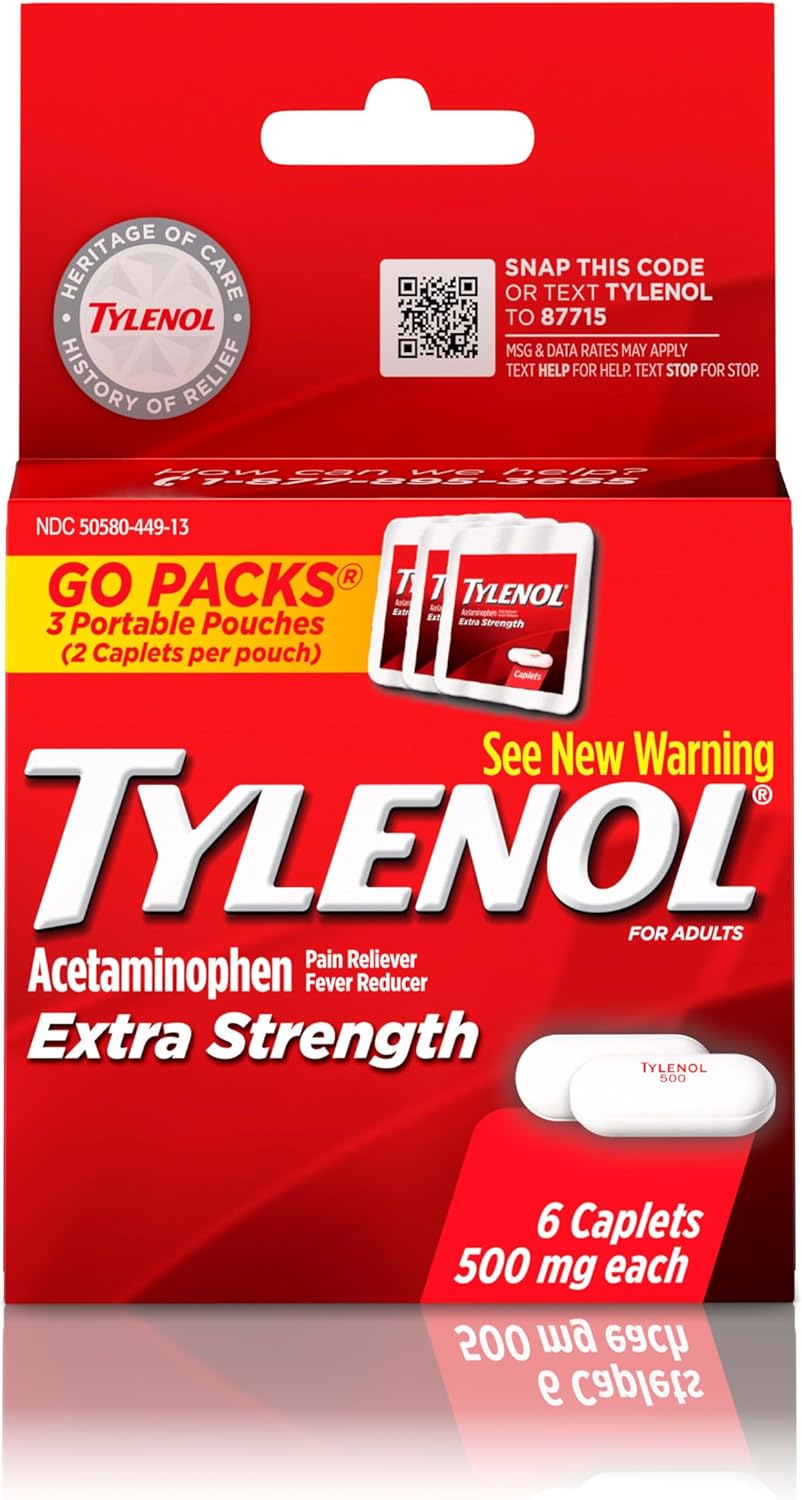
Acetaminophen 500 mg is a widely used over-the-counter medication for effective relief of pain and fever, commonly found in products like Tylenol Extra Strength.
The Basics
Acetaminophen, also known as paracetamol outside the US, is an analgesic (pain reliever) and antipyretic (fever reducer). Unlike NSAIDs (Nonsteroidal Anti-inflammatory Drugs) such as ibuprofen or naproxen, acetaminophen primarily works in the central nervous system and does not significantly reduce inflammation. It's a non-opioid pain reliever that is generally well-tolerated when used as directed.
Key Benefits
Effective Pain Relief
Acetaminophen 500 mg is well-studied and highly effective for relieving mild to moderate pain, including headaches, muscle aches, backaches, minor arthritis pain, toothaches, and menstrual cramps.
Fever Reduction
It is a well-established and effective treatment for reducing fever associated with colds, flu, and other illnesses by acting on the brain's temperature-regulating center.
Gentle on the Stomach
Unlike NSAIDs, acetaminophen does not typically cause stomach irritation, ulcers, or bleeding, making it a suitable option for individuals who are sensitive to NSAIDs or have a history of gastrointestinal issues.
How It Works
Acetaminophen's exact mechanism of action is not fully understood but is believed to primarily involve inhibiting the production of prostaglandins in the brain and spinal cord. Prostaglandins are chemicals that contribute to pain and fever signals. By reducing their synthesis in the central nervous system, acetaminophen helps to decrease the perception of pain and lower an elevated body temperature.
Who Benefits
- Individuals experiencing mild to moderate pain (e.g., headaches, muscle aches, backaches, toothaches, menstrual cramps)
- Individuals with fever due to colds, flu, or other infections
- People who cannot take NSAIDs due to stomach sensitivity, ulcers, or other medical conditions (after consulting a healthcare professional)
- Adults and children over 12 years old seeking temporary relief from pain and fever
Who Should Avoid
- Individuals with severe liver disease or significant liver impairment
- People who consume three or more alcoholic drinks daily, due to increased risk of liver damage
- Those with a known allergy or hypersensitivity to acetaminophen
- Individuals taking other medications that contain acetaminophen (to avoid accidental overdose)
- Patients with a history of kidney disease should consult a doctor before use, especially with prolonged use
Common Side Effects
- Nausea
- Stomach upset
- Rash
- Itching
- Serious but rare side effects include severe allergic reactions (e.g., swelling of the face/throat, difficulty breathing) and severe skin reactions (e.g., Stevens-Johnson syndrome).
- The most serious side effect, especially with overdose, is liver damage (hepatotoxicity), which can be severe and even fatal.
Works Well With
- Topical pain relievers (e.g., lidocaine patches, capsaicin creams) for localized pain
- Non-drowsy decongestants or antihistamines for cold and flu symptom relief (ensure these do not also contain acetaminophen)
- Warm compresses or ice packs for muscle aches or injuries
- Rest and hydration for fever and general malaise
Avoid Combining With
- Any other medication containing acetaminophen, including combination cold and flu remedies, sleep aids, or prescription pain medications. Always check active ingredients carefully.
- Alcohol, as combining acetaminophen with heavy alcohol consumption significantly increases the risk of liver damage.
- Certain blood thinners (e.g., warfarin) – prolonged or high-dose acetaminophen can increase the risk of bleeding; consult a doctor.
- Some anti-seizure medications (e.g., carbamazepine, phenytoin) and tuberculosis medications (e.g., isoniazid) which can increase the risk of liver toxicity.
People Also Ask
Can I take Acetaminophen 500 mg every day?
While acetaminophen is generally safe for daily use when taken as directed, it's crucial not to exceed the maximum daily dose. For most adults, the maximum daily dose is 3000 mg (six 500 mg tablets) in a 24-hour period. Some healthcare providers may recommend up to 4000 mg under specific circumstances, but it's safer to stick to 3000 mg to minimize liver risk. Prolonged daily use should always be discussed with a doctor to ensure it's appropriate for your health condition.
Is Acetaminophen 500 mg safe during pregnancy?
Acetaminophen is generally considered the preferred pain reliever and fever reducer during pregnancy, especially when used at the lowest effective dose for the shortest duration. However, it's always best to consult your doctor or obstetrician before taking any medication during pregnancy to ensure it's safe for your specific situation.
How long does Acetaminophen 500 mg take to work?
Acetaminophen typically starts to relieve pain and reduce fever within 30 to 60 minutes after taking a dose. The effects usually last for about 4 to 6 hours.
What's the difference between Acetaminophen and Ibuprofen?
Both acetaminophen and ibuprofen relieve pain and fever. The key difference is their mechanism of action and anti-inflammatory properties. Acetaminophen works primarily in the brain and spinal cord and does not significantly reduce inflammation. Ibuprofen is an NSAID that works throughout the body, reducing inflammation, pain, and fever. Ibuprofen can cause stomach irritation and bleeding, while acetaminophen is generally gentler on the stomach but carries a risk of liver damage with overdose.
Can I take more than 500 mg if my pain is severe?
No, you should never take more than the recommended dose of acetaminophen. Exceeding the recommended dosage, even for severe pain, significantly increases your risk of severe liver damage, which can be irreversible and life-threatening. If 500 mg is not providing adequate relief, do not take more; instead, consult a healthcare professional for advice on alternative pain management strategies.
Bottom Line
Acetaminophen 500 mg is a highly effective and generally safe option for relieving mild to moderate pain and reducing fever when used as directed. Its primary advantage is its gentle profile on the stomach compared to NSAIDs. However, strict adherence to dosage instructions and careful avoidance of other acetaminophen-containing products and excessive alcohol consumption are paramount to prevent serious liver damage. Always consult a healthcare professional if you have underlying health conditions or are unsure about its use.
References
- 1.FDA Drug Label — Pain Reliever, Caseys 4good
FDA DailyMed: Pain Reliever, Caseys 4good · FDA
- 2.Acute Postoperative Pain Due to Dental Extraction in the Adult Population: A Systematic Review and Network Meta-analysis.
Miroshnychenko A, Ibrahim S, Azab M, et al., Journal of dental research, 2023 · PubMed
- 3.Acetaminophen (APAP) hepatotoxicity-Isn't it time for APAP to go away?
Lee WM, Journal of hepatology, 2017 · PubMed
- 4.Non-prescription (OTC) oral analgesics for acute pain - an overview of Cochrane reviews.
Moore RA, Wiffen PJ, Derry S, et al., The Cochrane database of systematic reviews, 2015 · PubMed
- 5.Updated guidelines for the management of paracetamol poisoning in Australia and New Zealand.
Chiew AL, Reith D, Pomerleau A, et al., The Medical journal of Australia, 2020 · PubMed
- 6.Transcatheter Closure of Patent Ductus Arteriosus in Infants With Weight Under 1,500 Grams.
Fraisse A, Bautista-Rodriguez C, Burmester M, et al., Frontiers in pediatrics, 2020 · PubMed
Products Containing Acetaminophen 500 mg
Evidence-based ingredient information. Not a substitute for individualized medical advice.