What is Enteric Coating?
Ever wonder how some supplements survive the harsh journey through your stomach to deliver their benefits where they're needed most? That's the magic of enteric coating.
The Basics
Enteric coating is a special polymer layer applied to the outside of certain supplement capsules or tablets. Its primary job is to protect the supplement from the highly acidic environment of your stomach. The word 'enteric' refers to the small intestine, which is where this coating is designed to dissolve, releasing the supplement's contents.
Key Benefits
Protection from Stomach Acid
Many active ingredients, especially live bacteria in probiotics or certain enzymes, can be destroyed or rendered ineffective by stomach acid. Enteric coating acts as a shield, preventing premature breakdown and ensuring the ingredient remains viable until it reaches the small intestine.
Targeted Delivery
By resisting stomach acid, enteric coatings ensure that the supplement is released in the small intestine, where it can be absorbed or exert its intended effect. This is crucial for ingredients that are meant to work directly in the gut or those that are best absorbed further down the digestive tract.
Reduced Side Effects (e.g., Fish Burps)
For supplements like fish oil, an enteric coating can prevent the capsule from dissolving in the stomach, which is often the cause of unpleasant 'fish burps.' By delaying release until the intestine, these common digestive discomforts can be significantly reduced. This benefit is well-studied and widely recognized.
How It Works
The science behind enteric coating relies on pH. The polymers used in the coating are designed to be insoluble in the acidic pH of the stomach (pH 1.5-3.5). However, as the supplement passes into the small intestine, the pH becomes more alkaline (pH 5.5-7.0). At this higher pH, the enteric coating begins to dissolve, allowing the supplement's contents to be released and absorbed or utilized.
Who Benefits
- Individuals taking probiotic supplements, as many strains of beneficial bacteria are sensitive to stomach acid.
- People using digestive enzyme supplements that are intended to work in the intestines rather than the stomach.
- Those who experience 'fish burps' or other digestive discomforts when taking fish oil or other fatty acid supplements.
- Anyone taking supplements where the active ingredient is known to be degraded by stomach acid.
Who Should Avoid
- Individuals who need immediate release of a supplement in the stomach (though this is rare for supplements that are enteric-coated).
- People with known allergies or sensitivities to specific coating ingredients (e.g., certain polymers or shellac), though these are generally rare.
- Those taking supplements that are not affected by stomach acid and do not require targeted intestinal delivery, as enteric coating would be unnecessary.
Common Side Effects
- Generally considered very safe and well-tolerated.
- Rare instances of allergic reactions to specific coating materials (e.g., shellac, cellulose derivatives).
- Very rarely, some individuals might experience mild digestive upset if the coating doesn't dissolve as expected, though this is uncommon with quality products.
Works Well With
- Probiotic supplements (to ensure live bacteria reach the intestines).
- Digestive enzymes (especially those like lipase, amylase, or protease that are intended to work in the small intestine).
- Fish oil and other omega-3 fatty acid supplements (to prevent 'fish burps').
- Garlic supplements (to reduce odor and improve delivery).
Avoid Combining With
- Enteric coating is a delivery mechanism, not an active ingredient, so it does not typically interact with other supplements or medications in a way that requires 'avoiding combining.' The concern is more about whether the *supplement itself* is appropriate for enteric coating. Avoid crushing or chewing enteric-coated supplements, as this will compromise the coating and defeat its purpose.
People Also Ask
Is enteric coating safe?
Yes, enteric coatings are generally recognized as safe (GRAS) by regulatory bodies like the FDA. They are made from inert materials that pass through the digestive system without being absorbed or causing harm. Any potential side effects are typically mild and rare, such as a very slight chance of an allergic reaction to a specific coating ingredient.
Does enteric coating really work?
Yes, numerous studies and pharmaceutical applications confirm the effectiveness of enteric coatings in protecting sensitive ingredients from stomach acid and ensuring their release in the small intestine. This technology is well-established and widely used in both pharmaceuticals and dietary supplements.
What is enteric coating made of?
Common materials used for enteric coatings include cellulose derivatives (like hypromellose phthalate or cellulose acetate phthalate), acrylic polymers (like Eudragit®), and natural resins (like shellac). These materials are chosen for their ability to resist acid and dissolve at higher pH levels.
Can I take enteric-coated supplements with food?
Yes, enteric-coated supplements can generally be taken with or without food. However, taking them with a meal might slightly delay their passage into the small intestine, potentially prolonging the time the coating is exposed to stomach acid. For most products, this is not an issue, but always follow the specific instructions on your supplement's label.
Is enteric coating necessary for all probiotics?
Not all probiotics require enteric coating. Some probiotic strains are naturally more robust and can survive stomach acid without it. However, for many common strains, an enteric coating significantly increases the likelihood that a sufficient number of live bacteria will reach the intestines to exert their beneficial effects. Check the product's label and research the specific strains if you have concerns.
Bottom Line
Enteric coating is a valuable technology that enhances the effectiveness of certain supplements by protecting their active ingredients from stomach acid and ensuring targeted delivery to the small intestine. While not necessary for all supplements, it's a key feature to look for in products like probiotics, specific digestive enzymes, and fish oil to maximize their benefits and minimize potential side effects.
References
- 1.International Society of Sports Nutrition position stand: sodium bicarbonate and exercise performance.
Grgic J, Pedisic Z, Saunders B, et al., Journal of the International Society of Sports Nutrition, 2021 · PubMed
- 2.Current treatment of IgA nephropathy.
Floege J, Rauen T, Tang SCW, Seminars in immunopathology, 2021 · PubMed
- 3.Novel drug delivery systems for inflammatory bowel disease.
Yasmin F, Najeeb H, Shaikh S, et al., World journal of gastroenterology, 2022 · PubMed
- 4.AGA Clinical Practice Update on the Epidemiology, Evaluation, and Management of Exocrine Pancreatic Insufficiency: Expert Review.
Whitcomb DC, Buchner AM, Forsmark CE, Gastroenterology, 2023 · PubMed
- 5.Oral delivery of proteins and peptides: Challenges, status quo and future perspectives.
Zhu Q, Chen Z, Paul PK, et al., Acta pharmaceutica Sinica. B, 2021 · PubMed
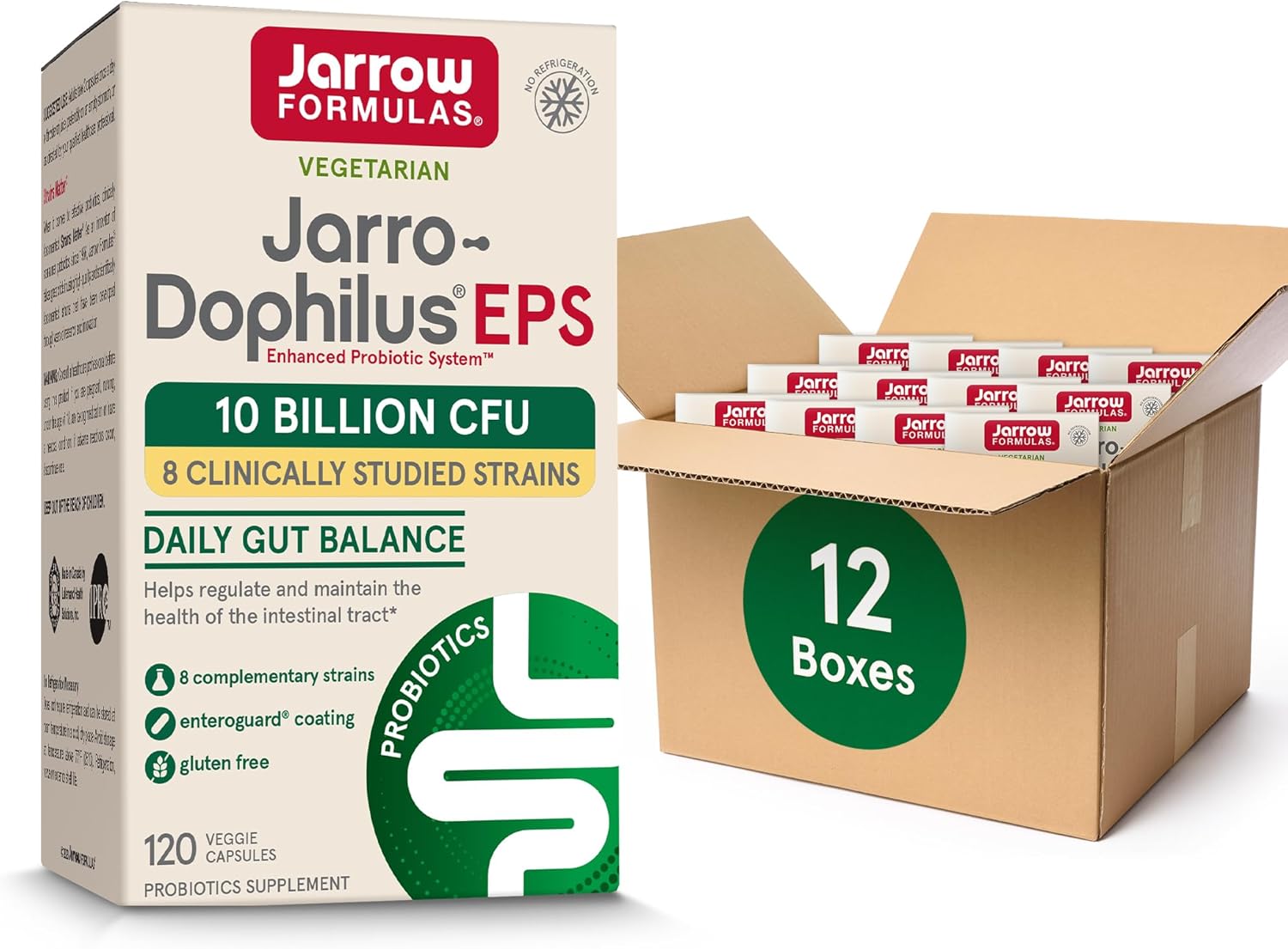
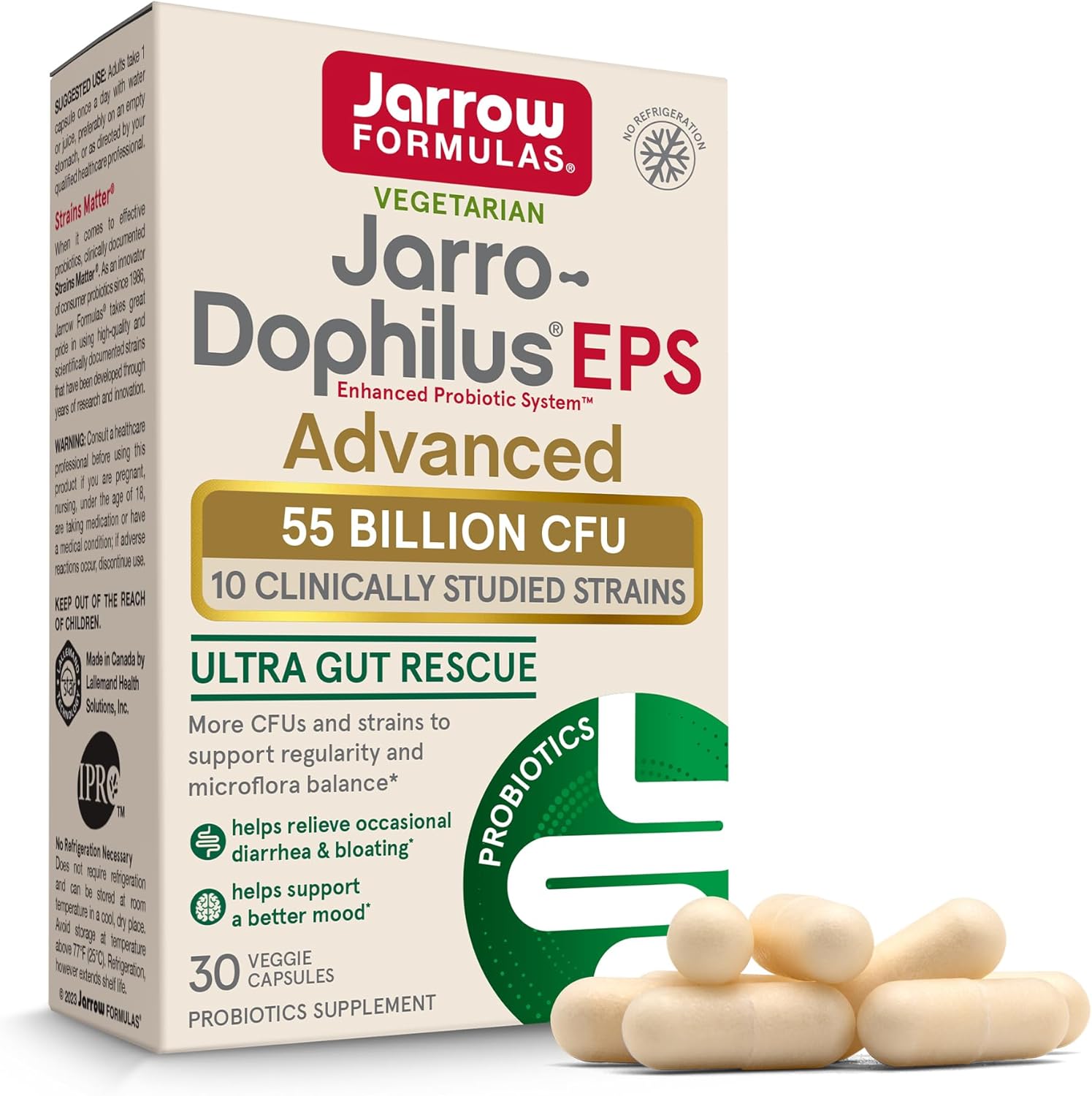
Products Containing Enteric Coating

Evidence-based ingredient information. Not a substitute for individualized medical advice.