What is Glycerin?
Unlock Deeper Hydration: Why Glycerin is a Skincare Essential
The Basics
Glycerin, also known as glycerol, is a naturally occurring compound that belongs to a class of molecules called polyols (sugar alcohols). It's a powerful humectant, meaning it attracts and draws moisture from the air and deeper layers of the skin into the outermost layer. Glycerin is found naturally in our skin and is a byproduct of soapmaking. In skincare products, it's typically derived from plant sources (like vegetable oils) or produced synthetically.
Key Benefits
Intense Hydration
Glycerin is a well-studied humectant that pulls water from the environment and deeper layers of the skin to the surface, significantly increasing skin's moisture content. This helps keep skin soft, supple, and plump.
Strengthens Skin Barrier
By improving skin hydration, glycerin helps to reinforce the skin's natural barrier function. A strong barrier is crucial for protecting the skin from environmental aggressors and preventing moisture loss, leading to healthier, more resilient skin.
Soothes and Protects
Glycerin has emollient properties that help to smooth and soften the skin. It can also help to protect the skin from irritation and accelerate wound healing, making it beneficial for sensitive or compromised skin.
How It Works
Glycerin works primarily as a humectant. Its molecular structure allows it to bind water molecules. When applied to the skin, it draws moisture from the surrounding air and from the deeper layers of the epidermis to the stratum corneum (the outermost layer of the skin). This influx of water helps to hydrate the skin, improve its elasticity, and support the skin barrier by filling in intercellular spaces and preventing transepidermal water loss (TEWL).
Effective Dose
Glycerin is effective in a wide range of concentrations, typically found between 2% and 10% in most skincare products like cleansers, toners, serums, and moisturizers. Higher concentrations (up to 20-40%) can be found in specialized treatments or very rich creams, but may feel sticky. For daily hydration, 5-10% is often ideal.
Who Benefits
- Individuals with dry or dehydrated skin
- Those with sensitive or easily irritated skin
- People looking to support and strengthen their skin barrier
- Anyone seeking general skin hydration and softness
Who Should Avoid
- Generally, glycerin is extremely well-tolerated and suitable for all skin types. There are very few reasons to avoid it.
- Individuals who find very high concentrations (e.g., pure glycerin) to feel sticky or occlusive might prefer products with lower concentrations.
Common Side Effects
- Rarely, a mild sticky feeling if used in very high concentrations or in very humid environments without an occlusive layer.
- Extremely rare allergic reactions (contact dermatitis), typically due to other ingredients in a formulation rather than glycerin itself.
Works Well With
- Hyaluronic Acid (synergistic hydration)
- Ceramides (enhanced barrier repair)
- Niacinamide (improved barrier function and soothing)
- Occlusive ingredients (petrolatum, squalane, shea butter) to lock in the moisture glycerin attracts.
- Antioxidants (Vitamin C, E) for overall skin health.
Avoid Combining With
- Glycerin is highly compatible and generally safe to combine with nearly all skincare ingredients. There are no known ingredients that it actively conflicts with or renders ineffective.
People Also Ask
Can I use glycerin every day?
Yes, glycerin is a gentle and effective humectant that is safe for daily use, often found in both morning and evening skincare routines. It helps maintain consistent hydration and skin barrier health.
Is glycerin safe for sensitive skin?
Absolutely. Glycerin is known for its mildness and is often recommended for sensitive, irritated, or compromised skin due to its soothing and barrier-supporting properties. It is rarely associated with irritation.
Is glycerin safe during pregnancy?
Yes, glycerin is considered safe for use during pregnancy and breastfeeding. It's a common and well-tolerated ingredient with no known risks during these periods. Always consult your doctor for personalized advice.
Does glycerin clog pores?
Glycerin is generally considered non-comedogenic, meaning it is unlikely to clog pores. It's a small molecule that hydrates without creating a heavy, occlusive film that can trap debris.
What's the difference between glycerin and hyaluronic acid?
Both glycerin and hyaluronic acid are powerful humectants that attract and hold moisture. While they work similarly, hyaluronic acid can hold a significantly larger amount of water relative to its weight. However, glycerin is often considered a more cost-effective and equally effective humectant for daily hydration and barrier support, and they frequently appear together in formulations for synergistic benefits.
Bottom Line
Glycerin is a fundamental, well-researched, and highly effective humectant that plays a crucial role in maintaining skin hydration and supporting a healthy skin barrier. It's suitable for nearly all skin types, including sensitive skin, and is a reliable ingredient for achieving soft, supple, and resilient skin.
References
- 1.FDA Drug Label — OASIS Tears Lubricant Eye
FDA DailyMed: OASIS Tears Lubricant Eye · FDA
- 2.Cryopreservation of Orchids - A Review.
Kaur S, Recent patents on biotechnology, 2019 · PubMed
- 3.Safety Assessment of Glycerin as Used in Cosmetics.
Becker LC, Bergfeld WF, Belsito DV, et al., International journal of toxicology, 2019 · PubMed
- 4.Glycerol and the skin: holistic approach to its origin and functions.
Fluhr JW, Darlenski R, Surber C, The British journal of dermatology, 2008 · PubMed
- 5.Peripheral venous catheter-related phlebitis: A meta-analysis of topical treatment.
Garcia-Expósito J, Sánchez-Meca J, Almenta-Saavedra JA, et al., Nursing open, 2023 · PubMed
- 6.Water and glycerol permeation through the glycerol channel GlpF and the aquaporin family.
Lee JK, Khademi S, Harries W, et al., Journal of synchrotron radiation, 2004 · PubMed
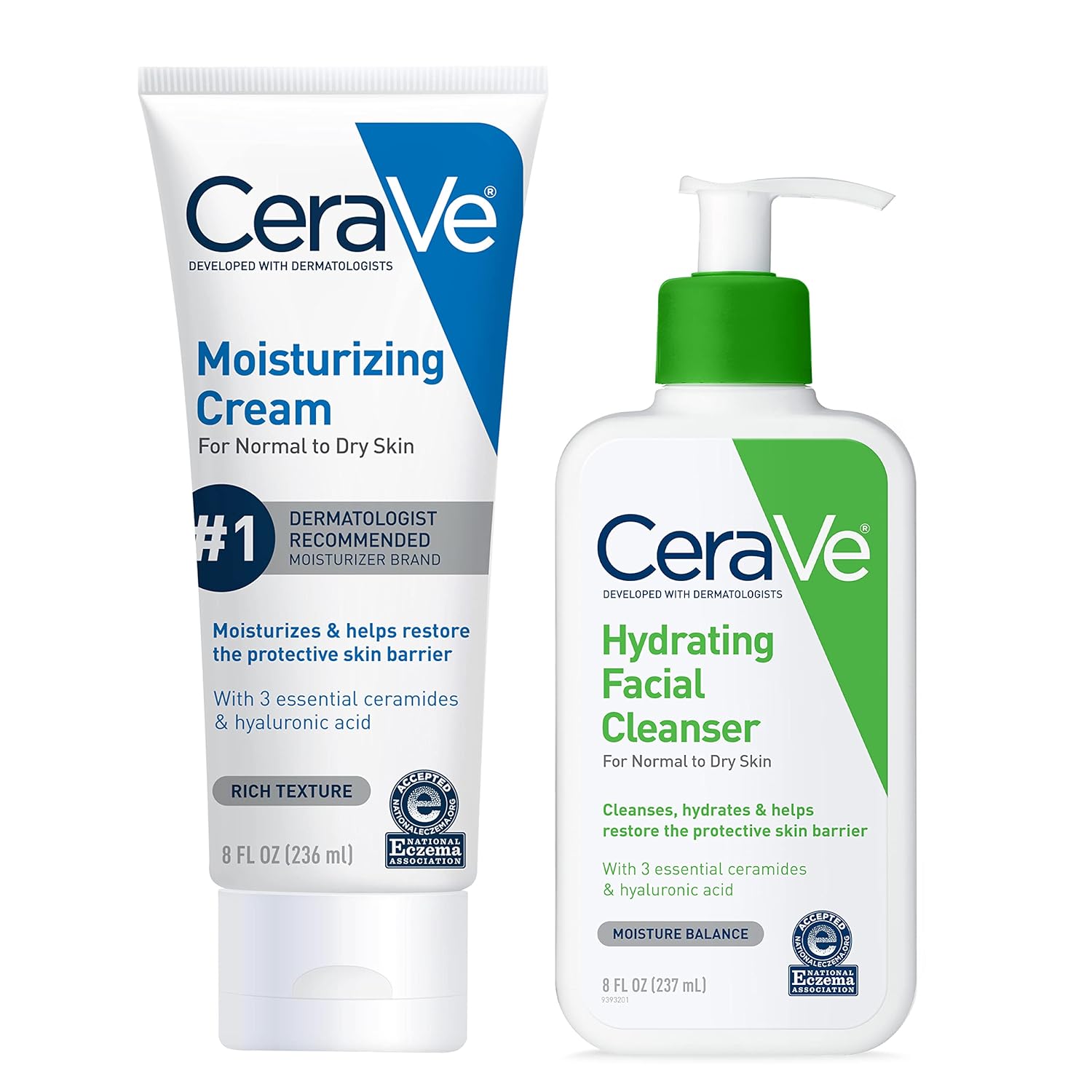
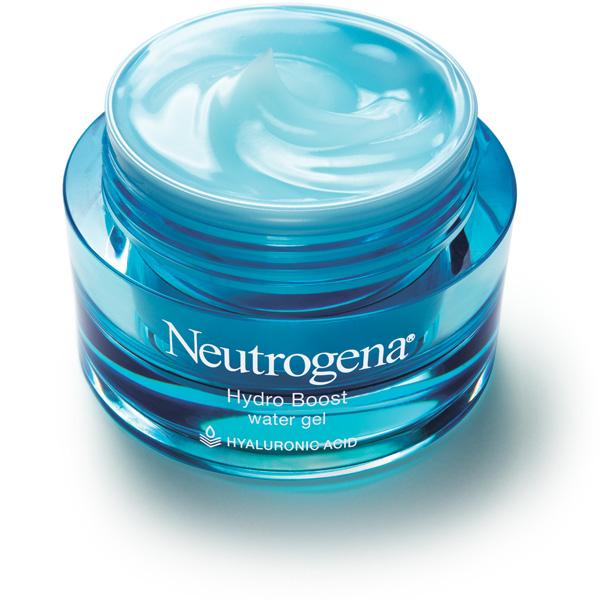
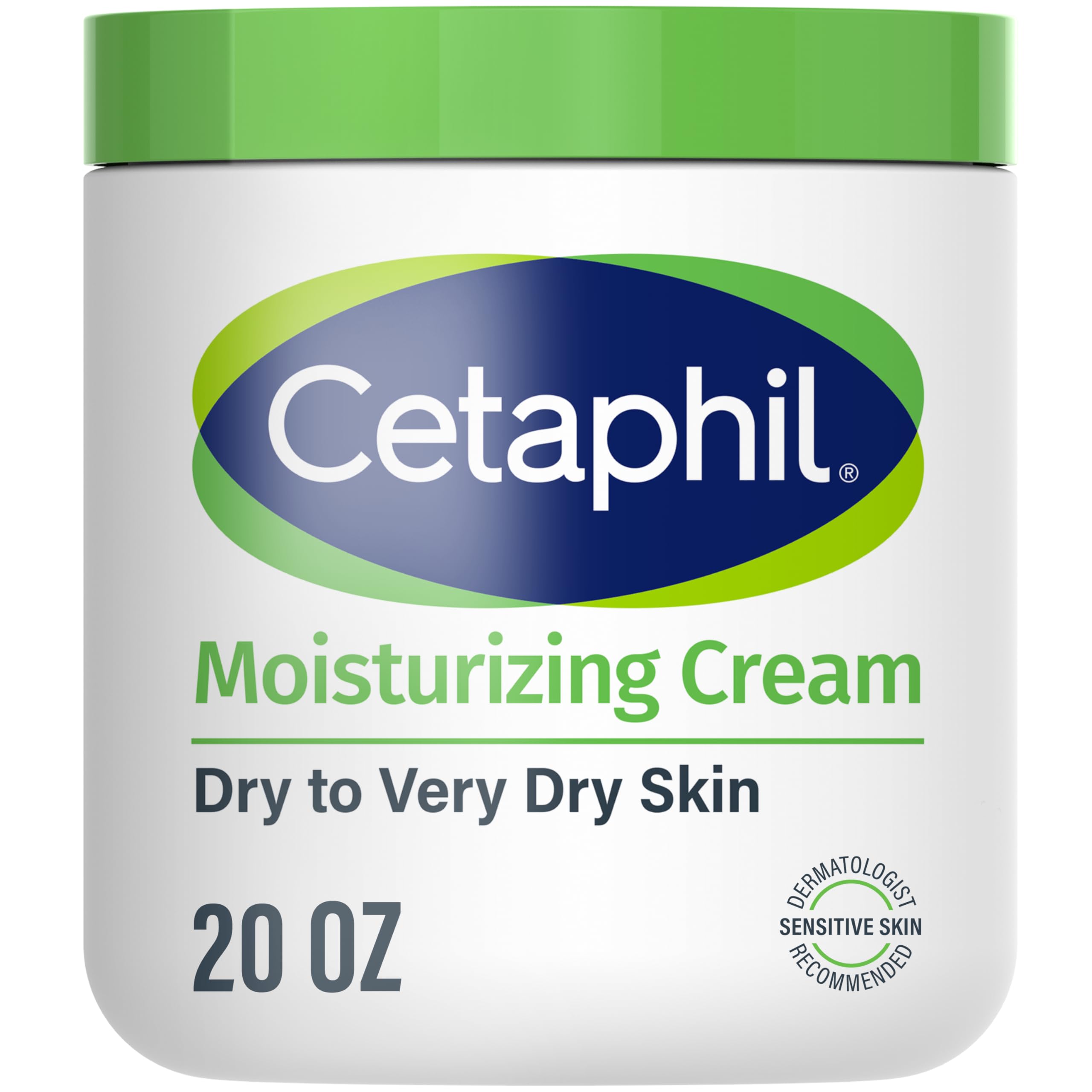
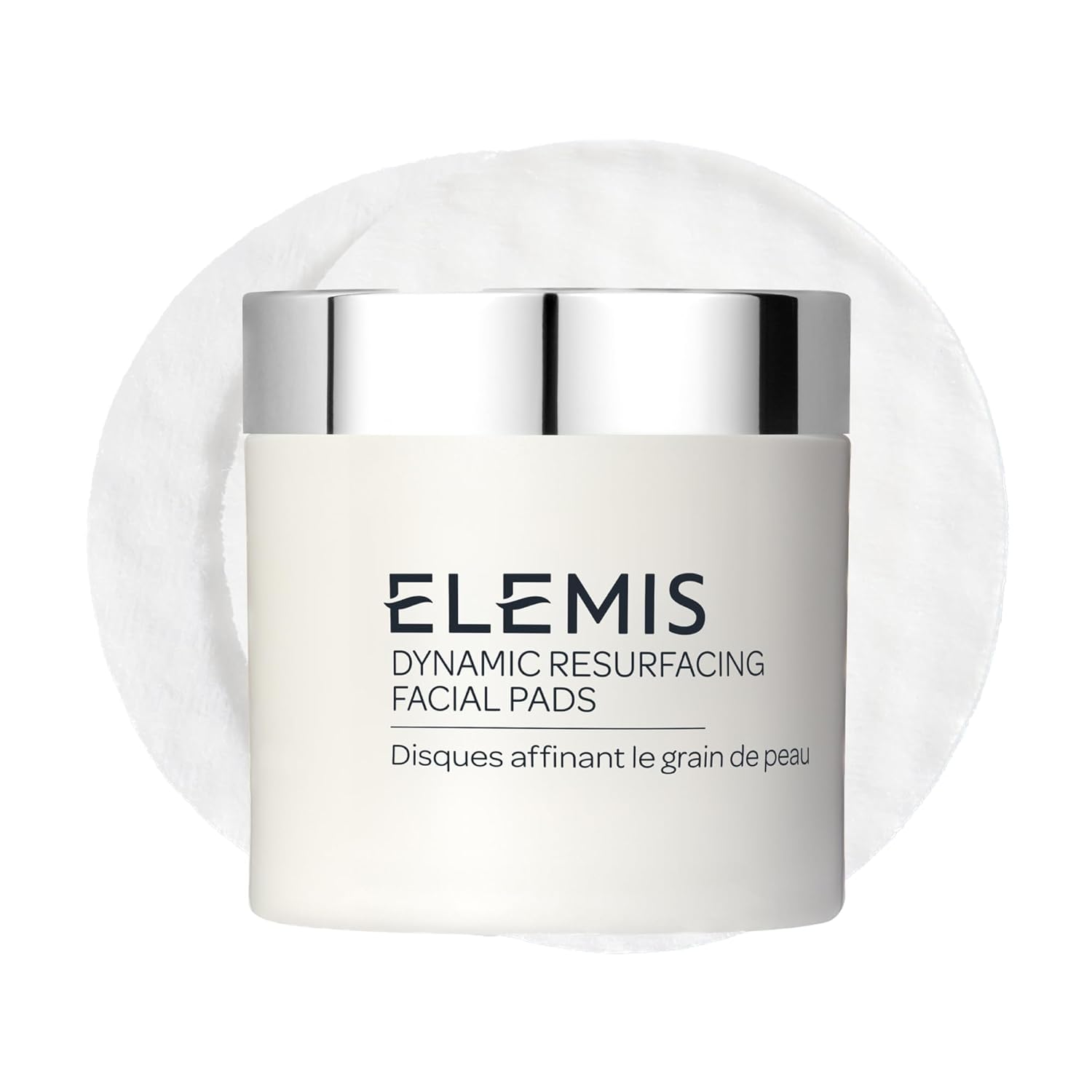
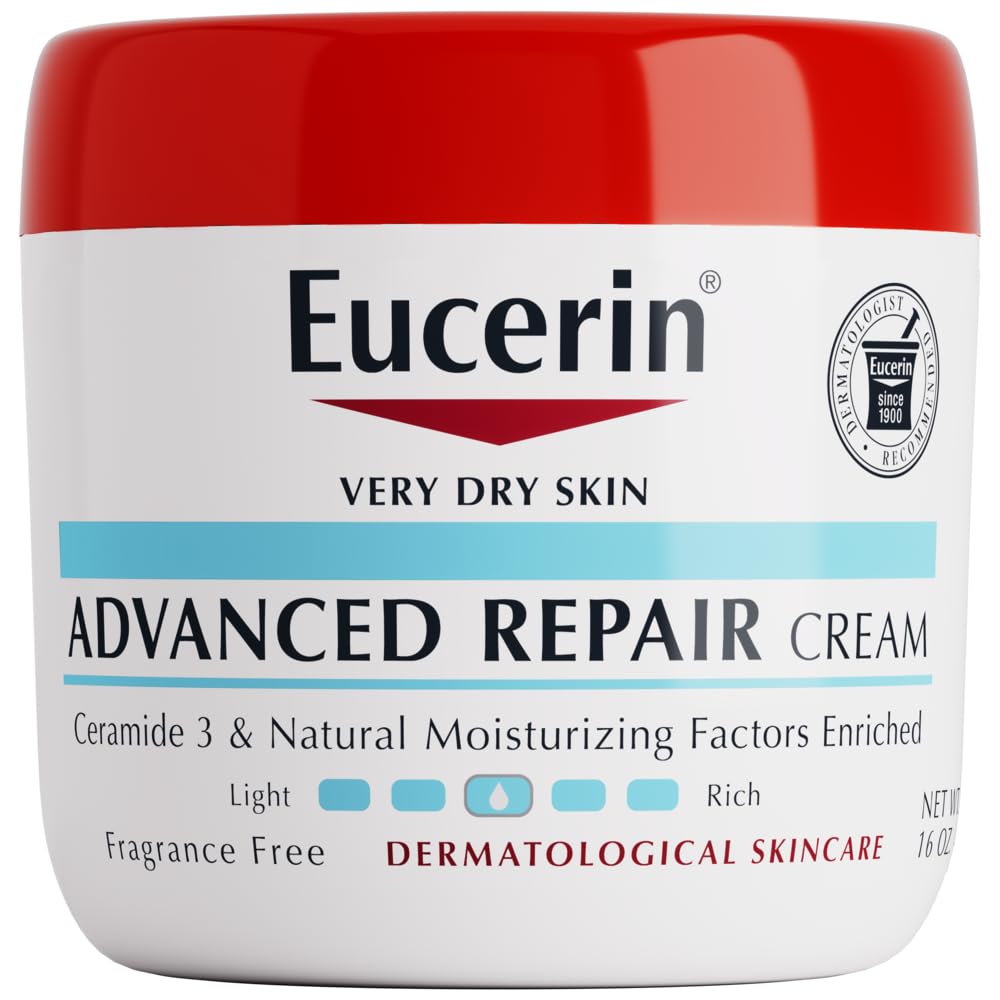
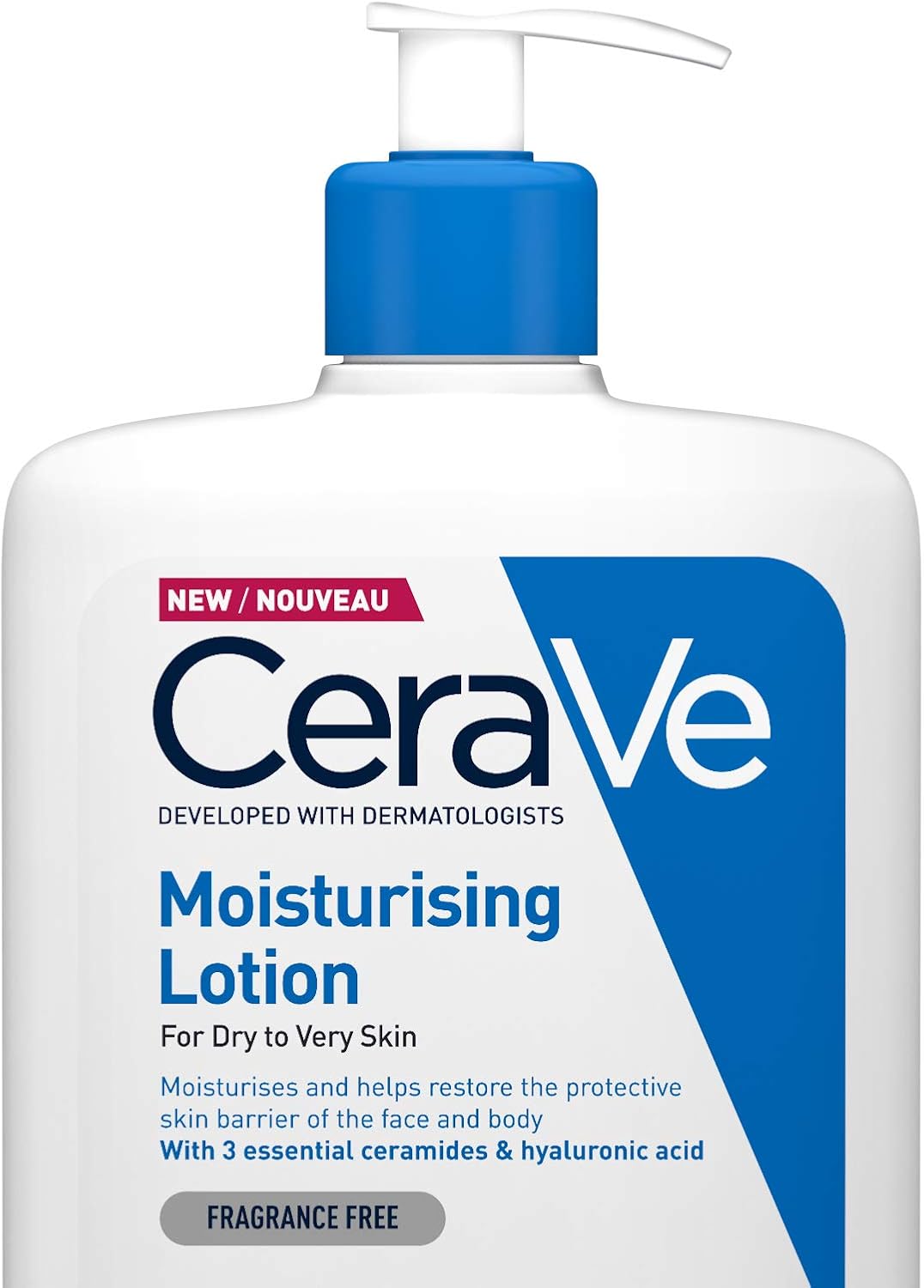
Products Containing Glycerin
Evidence-based ingredient information. Not a substitute for individualized medical advice.