What is Hyaluronic Acid?
Unlock your skin's natural hydration potential with Hyaluronic Acid (HA), a skincare staple renowned for its ability to attract and hold moisture.
The Basics
Hyaluronic Acid is a naturally occurring sugar molecule (a type of glycosaminoglycan) found throughout our bodies, with the highest concentrations in our skin, connective tissues, and eyes. In skincare, it acts as a powerful humectant, meaning it draws moisture from the environment and deeper layers of the skin to the surface, effectively hydrating and plumping the skin.
Key Benefits
Intense Hydration
Well-studied. HA can hold up to 1,000 times its weight in water, delivering significant moisture to the skin's surface and deeper layers, depending on its molecular weight. This helps combat dryness and dehydration.
Skin Plumping and Fine Line Reduction
Well-studied. By increasing skin hydration, HA helps to plump up the skin, making fine lines and wrinkles appear less noticeable. This effect is temporary and directly related to the skin's water content.
Enhanced Skin Barrier Function
Well-studied. Adequate hydration provided by HA helps to strengthen the skin's natural barrier, reducing transepidermal water loss (TEWL) and protecting against environmental irritants. A healthy barrier is crucial for overall skin health.
Improved Skin Elasticity and Softness
Well-studied. Hydrated skin is more supple and elastic. Regular use of HA can contribute to a softer, smoother skin texture.
How It Works
Hyaluronic Acid functions as a molecular sponge. When applied to the skin, it forms a permeable layer that attracts and binds water molecules. Different molecular weights of HA exist: high molecular weight HA typically stays on the skin's surface, forming a hydrating film that prevents moisture loss, while lower molecular weight HA can penetrate slightly deeper to provide hydration within the epidermis. This dual action ensures comprehensive hydration.
Effective Dose
Effective concentrations typically range from 0.1% to 2% in serums, moisturizers, and cleansers. Even at lower concentrations, it can provide significant hydrating benefits.
Who Benefits
- Individuals with dry or dehydrated skin
- Anyone looking to improve skin plumpness and reduce the appearance of fine lines
- People with sensitive skin, as it is generally well-tolerated
- All skin types, including oily and acne-prone skin, as it provides hydration without heaviness
Who Should Avoid
- Individuals with a known allergy to hyaluronic acid (though this is extremely rare)
- Those in very dry climates without occlusive layers: If the air is extremely dry, HA might draw moisture from deeper skin layers to the surface, potentially leading to increased dryness if not sealed with a moisturizer.
Common Side Effects
- Mild stickiness or pilling if too much product is applied or not properly absorbed
- Rare cases of mild irritation or redness, particularly in very sensitive individuals
- Potential for temporary dryness in extremely arid environments if not followed by an occlusive moisturizer
Works Well With
- Retinoids (e.g., Retinol, Tretinoin) to counteract dryness and irritation
- Vitamin C (Ascorbic Acid) for enhanced antioxidant benefits and hydration
- Niacinamide (Vitamin B3) for barrier support and soothing
- Ceramides and Peptides for comprehensive barrier repair and anti-aging benefits
- AHAs and BHAs to replenish moisture after exfoliation
Avoid Combining With
- Generally, Hyaluronic Acid is compatible with almost all skincare ingredients and does not have significant negative interactions. It's a very stable and gentle ingredient.
People Also Ask
Can I use hyaluronic acid every day?
Yes, Hyaluronic Acid is gentle enough for daily use, often recommended twice a day (morning and night). Consistent use helps maintain optimal skin hydration.
Is hyaluronic acid safe during pregnancy?
Yes, Hyaluronic Acid is generally considered safe for use during pregnancy and breastfeeding. It's a naturally occurring substance in the body and is a common ingredient in many prenatal-safe skincare routines. Always consult your doctor for personalized advice.
What's the difference between high and low molecular weight hyaluronic acid?
High molecular weight HA forms a hydrating film on the skin's surface, providing immediate plumping and barrier protection. Low molecular weight HA can penetrate slightly deeper into the epidermis, offering more sustained hydration and potentially stimulating the skin's own HA production. Many products use a blend of different molecular weights for comprehensive benefits.
Does hyaluronic acid cause breakouts?
No, Hyaluronic Acid itself is non-comedogenic and generally does not cause breakouts. It's often recommended for acne-prone skin as it provides hydration without clogging pores. If you experience breakouts, it's likely due to other ingredients in the product or another aspect of your routine.
Should I apply hyaluronic acid to wet or dry skin?
It's often recommended to apply hyaluronic acid to damp skin. This provides a readily available source of water for the HA to bind to, maximizing its hydrating effects. Applying it to completely dry skin, especially in very dry environments, might cause it to draw moisture from deeper skin layers, potentially leading to a feeling of dryness.
Bottom Line
Hyaluronic Acid is a fundamental and highly effective hydrating ingredient suitable for virtually all skin types and concerns. Its ability to attract and retain moisture makes it invaluable for maintaining a healthy skin barrier, plumping the skin, and reducing the appearance of fine lines. Incorporating HA into your routine is a simple yet powerful step towards healthier, more radiant skin.
References
- 1.FDA Drug Label — BeginS by JUNGSAEMMOOL Blue Chamomile Hyaluronic Acid Airy Sun Stick Broad Spectrum SPF 50 plus
FDA DailyMed: BeginS by JUNGSAEMMOOL Blue Chamomile Hyaluronic Acid Airy Sun Stick Broad Spectrum SPF 50 plus · FDA
- 2.Recommendations for the management of hip and knee osteoarthritis: A systematic review of clinical practice guidelines.
Gibbs AJ, Gray B, Wallis JA, et al., Osteoarthritis and cartilage, 2023 · PubMed
- 3.Efficacy and safety of corticosteroids, hyaluronic acid, and PRP and combination therapy for knee osteoarthritis: a systematic review and network meta-analysis.
Qiao X, Yan L, Feng Y, et al., BMC musculoskeletal disorders, 2023 · PubMed
- 4.Hyaluronic acid and wound healing.
Neuman MG, Nanau RM, Oruña-Sanchez L, et al., Journal of pharmacy & pharmaceutical sciences : a publication of the Canadian Society for Pharmaceutical Sciences, Societe canadienne des sciences pharmaceutiques, 2015 · PubMed
- 5.The Role of Hyaluronic Acid for Soft Tissue Indications: A Systematic Review and Meta-Analysis.
Khan M, Shanmugaraj A, Prada C, et al., Sports health, 2023 · PubMed
- 6.Interdental papilla reconstruction: a systematic review.
Patel M, Guni A, Nibali L, et al., Clinical oral investigations, 2024 · PubMed
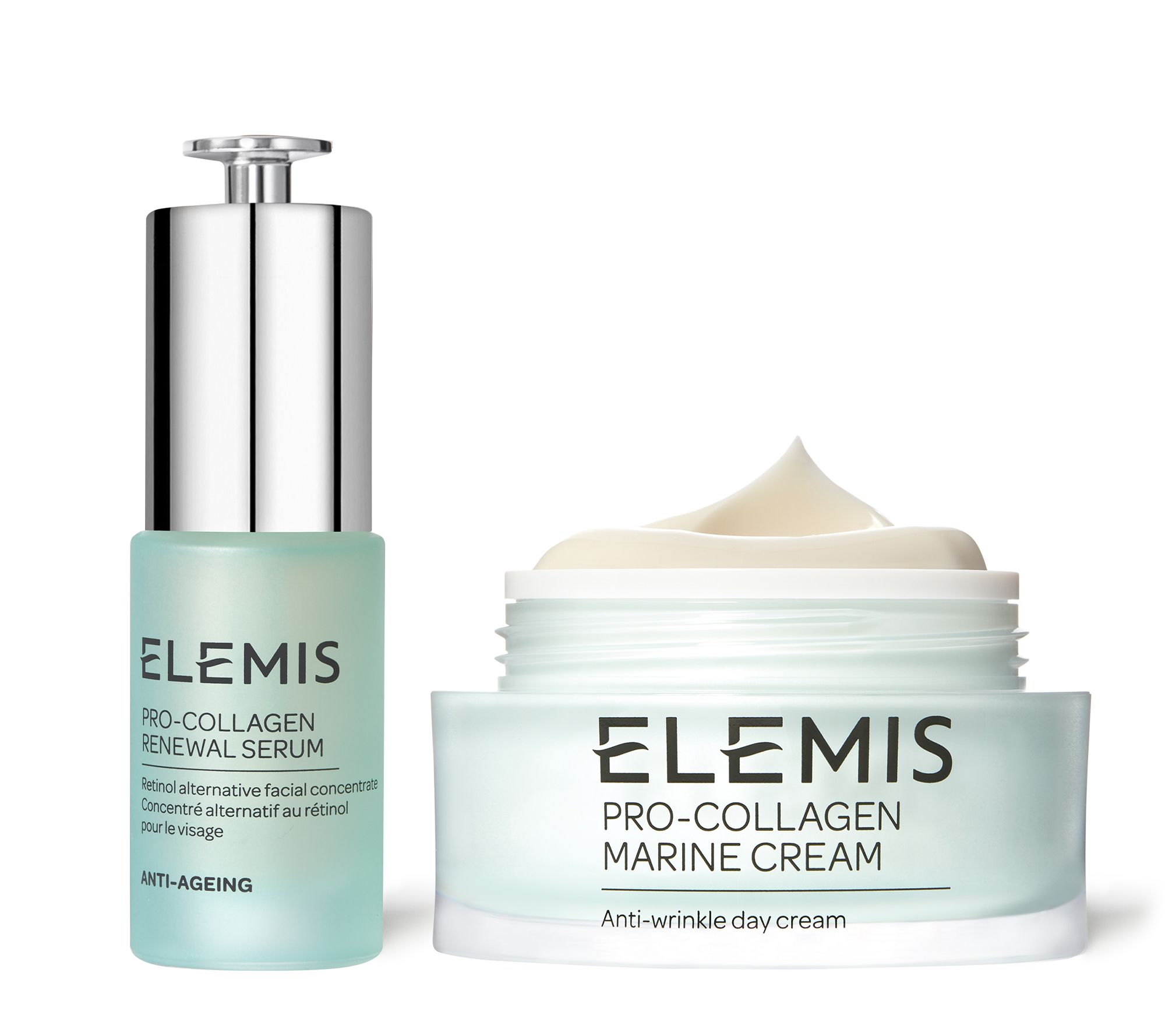
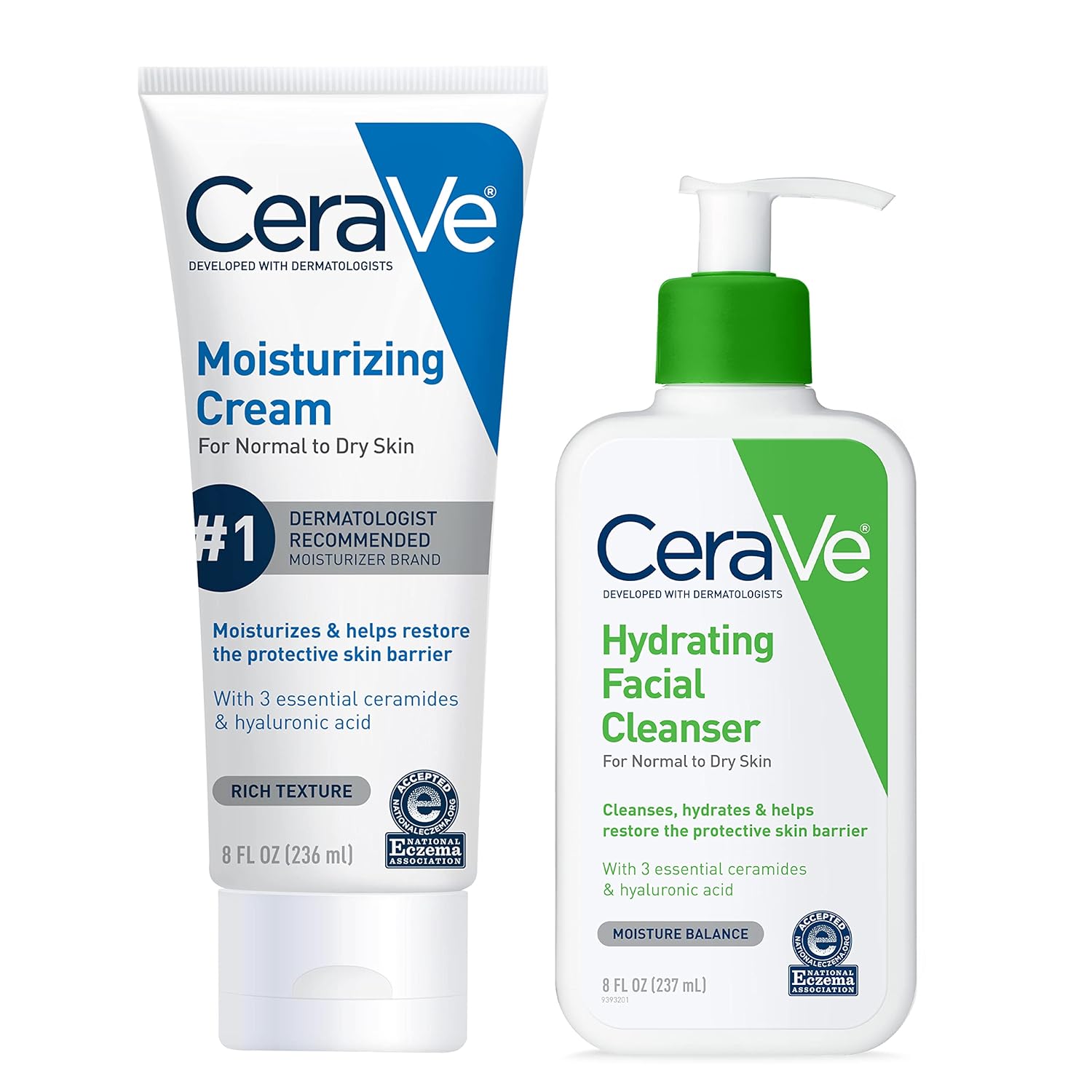
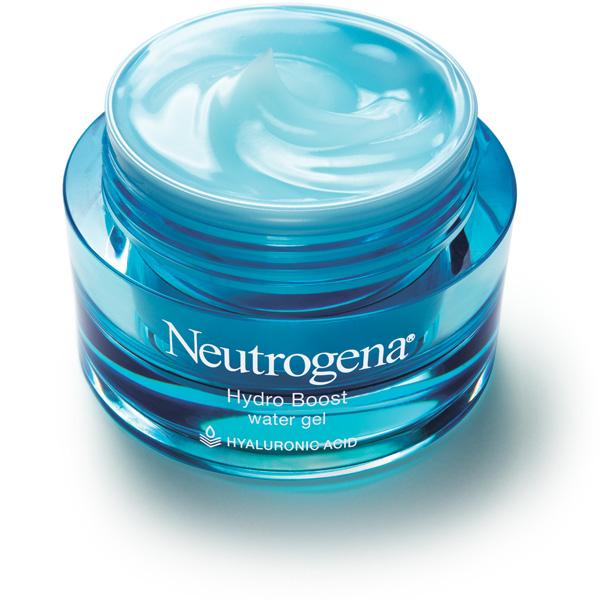
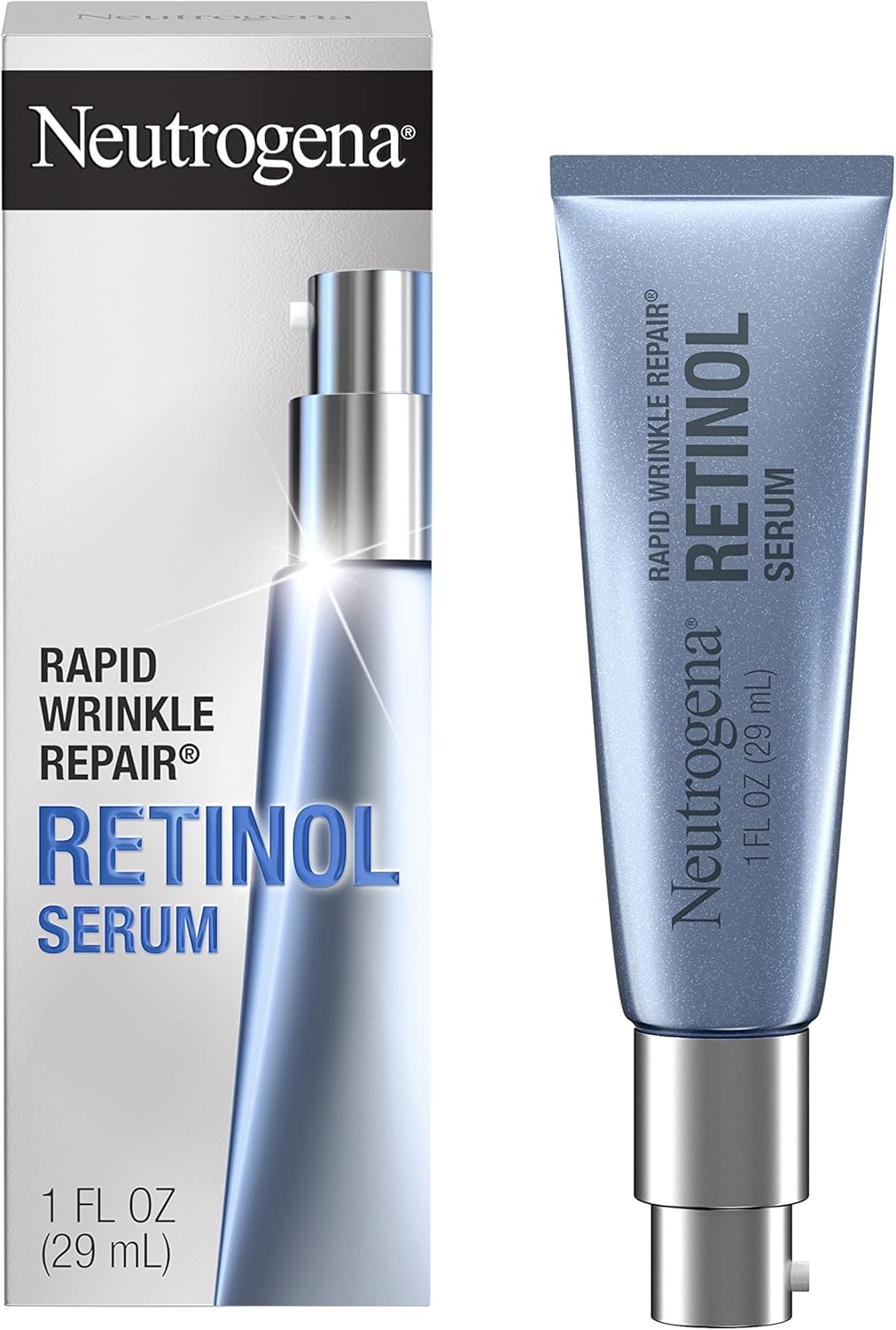
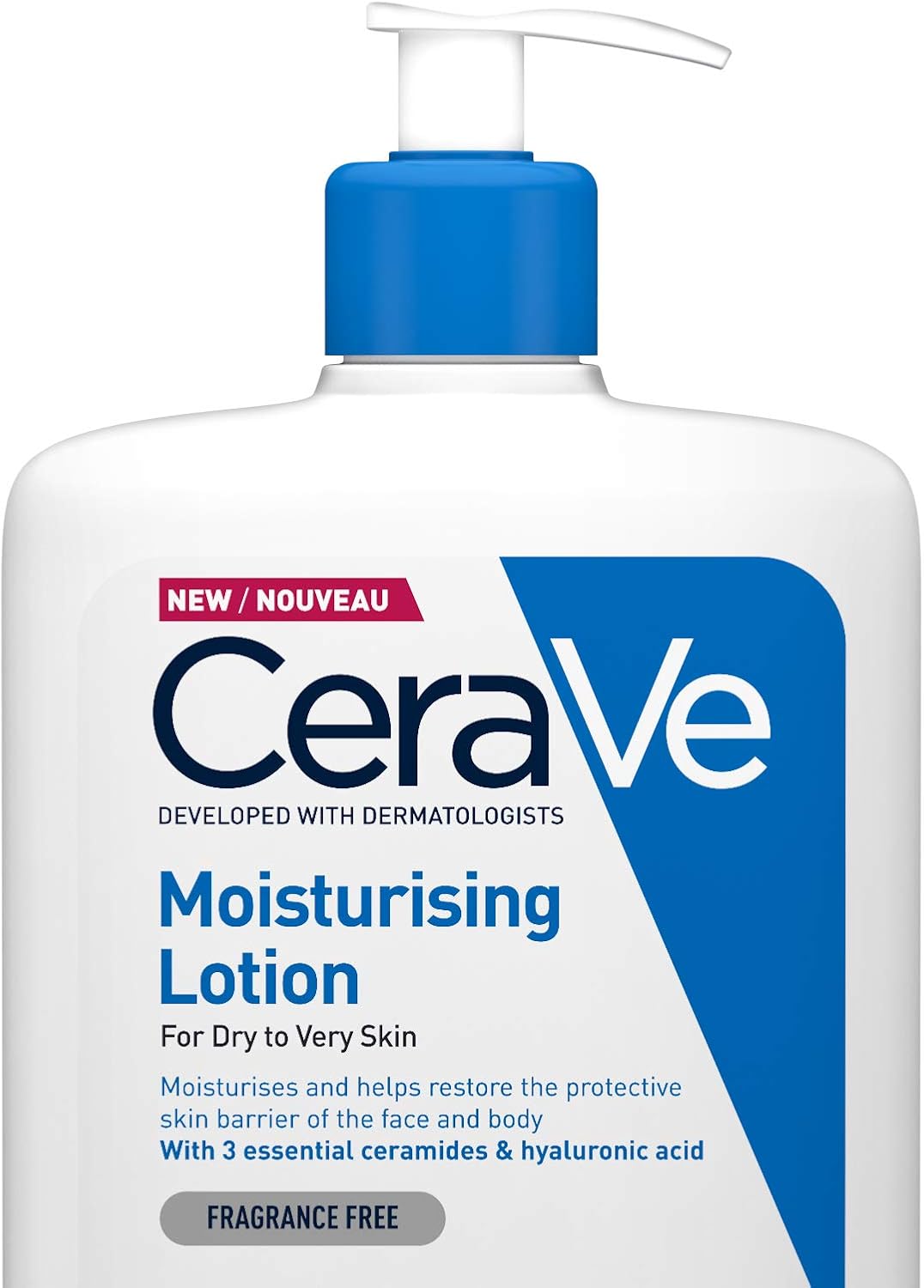
Products Containing Hyaluronic Acid
Evidence-based ingredient information. Not a substitute for individualized medical advice.