What is Ibuprofen?
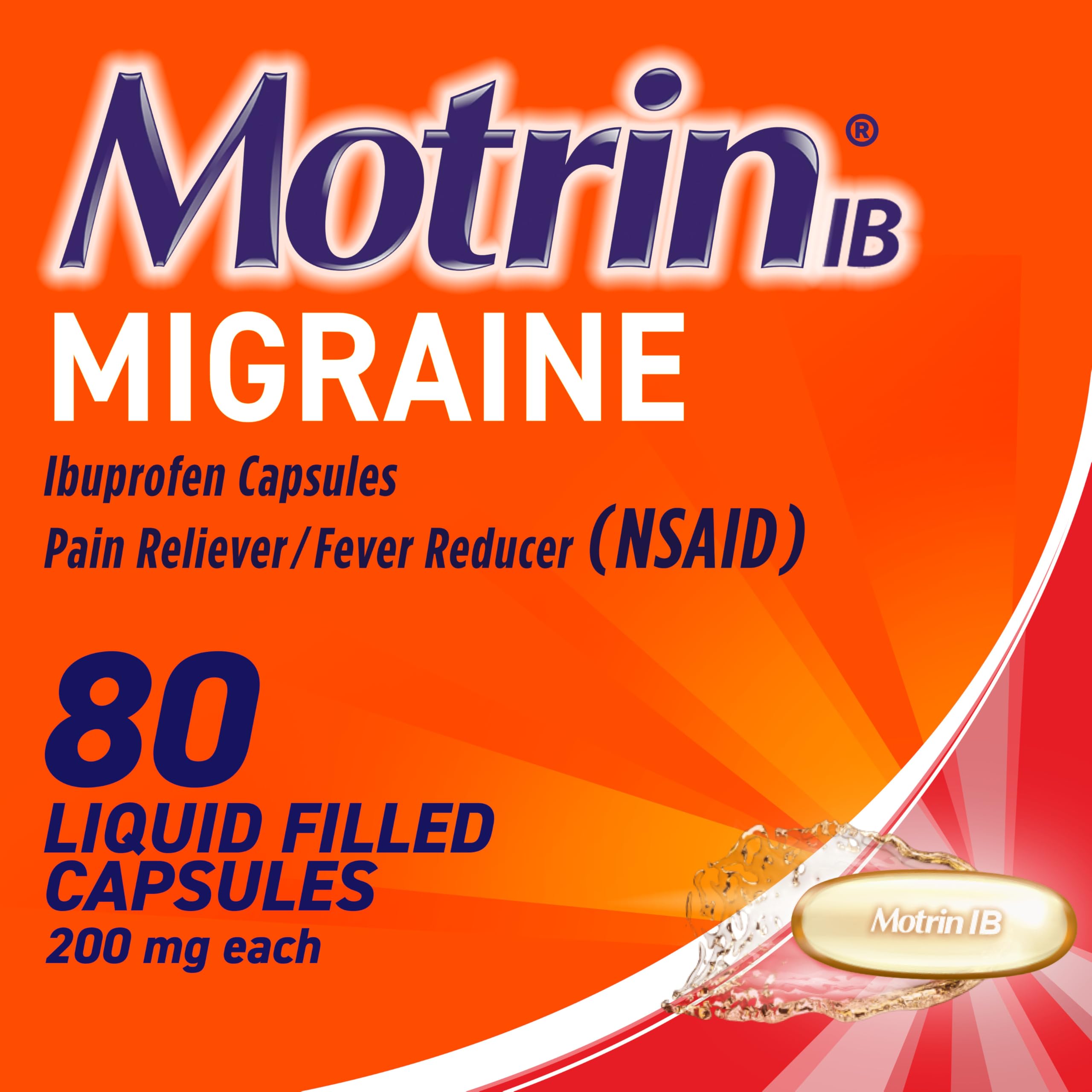
Ibuprofen is a widely used over-the-counter medication known for its ability to relieve pain, reduce fever, and decrease inflammation.
The Basics
Ibuprofen is a nonsteroidal anti-inflammatory drug (NSAID). It works by blocking the body's production of certain natural substances that cause inflammation, pain, and fever. Specifically, it inhibits enzymes called cyclooxygenase (COX-1 and COX-2), which are involved in synthesizing prostaglandins. Prostaglandins are lipid compounds that contribute to pain and inflammation responses in the body. By reducing prostaglandin production, ibuprofen helps alleviate symptoms.
Key Benefits
Pain Relief
Ibuprofen is well-studied and highly effective for relieving mild to moderate pain, including headaches, menstrual cramps, dental pain, muscle aches, and pain from minor injuries like sprains.
Fever Reduction
It is a well-established antipyretic, meaning it effectively lowers fever by acting on the hypothalamus in the brain, which controls body temperature.
Inflammation Reduction
As an NSAID, ibuprofen reduces inflammation associated with conditions like arthritis, tendinitis, and bursitis, helping to alleviate swelling, redness, and stiffness.
How It Works
Ibuprofen primarily works by inhibiting the activity of cyclooxygenase (COX) enzymes, specifically COX-1 and COX-2. These enzymes are responsible for converting arachidonic acid into prostaglandins. Prostaglandins are hormone-like substances that play a key role in mediating pain, inflammation, and fever responses in the body. By blocking COX enzymes, ibuprofen reduces the synthesis of these pain and inflammation-causing prostaglandins, thereby alleviating symptoms.
Effective Dose
For adults, common over-the-counter doses are 200 mg to 400 mg every 4 to 6 hours as needed, not exceeding 1200 mg (or 6 doses of 200mg) in 24 hours without medical supervision. For children, dosing is weight-based and should always follow the product label or a pediatrician's recommendation. Higher prescription strengths are available for specific conditions under a doctor's care.
Who Benefits
- Adults and children (as directed by a healthcare professional or product label) experiencing mild to moderate pain (e.g., headaches, muscle aches, menstrual cramps, toothaches).
- Individuals with fever.
- People experiencing inflammation from conditions like arthritis, sprains, or strains.
Who Should Avoid
- Individuals with a history of stomach ulcers, gastrointestinal bleeding, or inflammatory bowel disease.
- People with severe kidney disease or impaired kidney function.
- Those with severe heart failure or a history of recent heart attack or stroke, as NSAIDs can increase cardiovascular risk.
- Patients with uncontrolled high blood pressure.
- People with a known allergy to ibuprofen, aspirin, or other NSAIDs (which can cause asthma, hives, or severe allergic reactions).
- Women in their third trimester of pregnancy (after 20 weeks of gestation, especially after 30 weeks, due to potential risks to the fetus).
- Children under 6 months of age, unless specifically directed by a doctor.
- Individuals undergoing certain surgeries, especially coronary artery bypass graft (CABG) surgery.
Common Side Effects
- Stomach upset, nausea, heartburn, indigestion (most common).
- Diarrhea or constipation.
- Dizziness or drowsiness.
- Headache.
- Fluid retention and swelling.
- Serious side effects (less common but possible): gastrointestinal bleeding or ulcers, kidney damage, increased risk of heart attack or stroke, severe allergic reactions (rash, itching, swelling, severe dizziness, trouble breathing), liver problems, high blood pressure.
Works Well With
- Acetaminophen (e.g., in products like Advil Dual Action) for enhanced pain relief, as they work through different mechanisms.
- Topical pain relievers (e.g., creams, patches) for localized pain, ensuring no systemic NSAID overdose.
- Rest, ice, compression, and elevation (RICE) for musculoskeletal injuries.
- Antacids for mild stomach upset, if not taken simultaneously with ibuprofen.
- Heat or cold therapy for muscle aches and stiffness.
Avoid Combining With
- Other NSAIDs (e.g., naproxen, aspirin for pain relief, celecoxib) to avoid increased risk of side effects, especially gastrointestinal bleeding.
- Blood thinners (e.g., warfarin, apixaban, rivaroxaban, dabigatran) due to a significantly increased risk of bleeding.
- Corticosteroids (e.g., prednisone) as this combination can increase the risk of gastrointestinal ulcers and bleeding.
- Diuretics ('water pills') as ibuprofen can reduce their effectiveness and increase the risk of kidney problems.
- ACE inhibitors and Angiotensin Receptor Blockers (ARBs) (e.g., lisinopril, losartan) as ibuprofen can decrease their blood pressure-lowering effects and increase the risk of kidney damage.
- Lithium, as ibuprofen can increase lithium levels, potentially leading to toxicity.
- Methotrexate, as ibuprofen can increase methotrexate levels, leading to toxicity.
- Alcohol, due to increased risk of stomach irritation and liver damage.
People Also Ask
Can I take Ibuprofen every day?
While ibuprofen is effective for pain and inflammation, daily long-term use, especially at higher doses, is generally not recommended without a doctor's supervision. Chronic use can increase the risk of serious side effects like stomach ulcers, kidney damage, and cardiovascular issues. For persistent pain, consult a healthcare professional to determine the underlying cause and safest treatment plan.
Is Ibuprofen safe during pregnancy?
Ibuprofen should generally be avoided during pregnancy, especially after 20 weeks of gestation, and is contraindicated in the third trimester (after 30 weeks). It can cause serious kidney problems in the unborn baby and lead to low amniotic fluid. Always consult your doctor before taking any medication during pregnancy.
What's the difference between Ibuprofen and Acetaminophen?
Ibuprofen (an NSAID) reduces pain, fever, and inflammation by blocking prostaglandin production. Acetaminophen (e.g., Tylenol) primarily reduces pain and fever, but it does not significantly reduce inflammation. They work through different mechanisms and can sometimes be taken together under medical guidance for enhanced pain relief, as seen in products like Advil Dual Action.
How long does Ibuprofen take to work?
Ibuprofen typically starts to work within 30 to 60 minutes after taking it. The peak effect is usually seen within 1 to 2 hours. The pain-relieving effects can last for about 4 to 6 hours.
Can I take Ibuprofen on an empty stomach?
It is generally recommended to take ibuprofen with food or milk to minimize stomach upset, heartburn, and the risk of gastrointestinal irritation. Taking it on an empty stomach can increase the likelihood of these side effects.
Bottom Line
Ibuprofen is a powerful and effective over-the-counter medication for managing pain, fever, and inflammation. While generally safe when used as directed and for short periods, it's crucial to be aware of its potential side effects and drug interactions. Always follow dosing instructions carefully, avoid combining it with other NSAIDs, and consult a healthcare professional if you have underlying health conditions, are pregnant, or require long-term use.
References
- 1.FDA Drug Label — Ibuprofen Dye Free
FDA DailyMed: Ibuprofen Dye Free · FDA
- 2.Comparison of Acetaminophen (Paracetamol) With Ibuprofen for Treatment of Fever or Pain in Children Younger Than 2 Years: A Systematic Review and Meta-analysis.
Tan E, Braithwaite I, McKinlay CJD, et al., JAMA network open, 2020 · PubMed
- 3.Short-term Dual Therapy or Mono Therapy With Acetaminophen and Ibuprofen for Fever: A Network Meta-Analysis.
De la Cruz-Mena JE, Veroniki AA, Acosta-Reyes J, et al., Pediatrics, 2024 · PubMed
- 4.Acute Postoperative Pain Due to Dental Extraction in the Adult Population: A Systematic Review and Network Meta-analysis.
Miroshnychenko A, Ibrahim S, Azab M, et al., Journal of dental research, 2023 · PubMed
- 5.Paracetamol versus ibuprofen in treating episodic tension-type headache: a systematic review and network meta-analysis.
Alnasser A, Alhumrran H, Alfehaid M, et al., Scientific reports, 2023 · PubMed
- 6.Ibuprofen: pharmacology, efficacy and safety.
Rainsford KD, Inflammopharmacology, 2009 · PubMed
Products Containing Ibuprofen



Evidence-based ingredient information. Not a substitute for individualized medical advice.