What is Niacinamide?
Niacinamide, a versatile form of Vitamin B3, is a skincare powerhouse known for its ability to visibly improve a wide range of skin concerns, from texture and tone to barrier function.
The Basics
Niacinamide is the amide form of Vitamin B3 (niacin). In skincare, it's a well-studied ingredient that plays a crucial role in various cellular functions. It's a precursor to essential coenzymes, nicotinamide adenine dinucleotide (NAD+) and nicotinamide adenine dinucleotide phosphate (NADP+), which are vital for cellular energy production and repair processes in the skin. This makes it a highly beneficial ingredient for maintaining overall skin health and addressing specific issues.
Key Benefits
Strengthens Skin Barrier
Well-studied. Niacinamide helps the skin produce ceramides and other lipids essential for a healthy skin barrier. A strong barrier is crucial for retaining moisture and protecting against environmental aggressors, leading to less dryness and sensitivity.
Reduces Redness and Inflammation
Well-studied. Its anti-inflammatory properties can help calm irritated skin, reducing redness associated with conditions like acne, rosacea, and general sensitivity.
Minimizes Pore Appearance
Well-studied. While it doesn't shrink pores, niacinamide can help regulate sebum (oil) production, which in turn can make pores appear smaller and less noticeable over time. It also improves skin texture, contributing to a smoother look.
Evens Skin Tone and Reduces Hyperpigmentation
Well-studied. Niacinamide helps to reduce the transfer of pigment (melanin) from melanocytes to keratinocytes in the epidermis, effectively fading dark spots, post-inflammatory hyperpigmentation, and sun spots for a more even complexion.
Antioxidant Protection
Well-studied. As a potent antioxidant, niacinamide helps protect skin cells from oxidative stress caused by free radicals, which are generated by UV radiation and pollution. This can help prevent premature aging.
Improves Fine Lines and Wrinkles
Well-studied. By supporting collagen production and improving skin elasticity, niacinamide can help reduce the appearance of fine lines and wrinkles, contributing to a smoother, more youthful complexion.
How It Works
Niacinamide works by being converted into its active forms, NAD+ and NADH, which are essential coenzymes for over 400 biochemical reactions in the body, including those in the skin. Specifically, in skincare, it boosts the production of ceramides and fatty acids, which are vital components of the skin's lipid barrier. It also inhibits the enzyme phosphodiesterase, leading to increased cyclic AMP (cAMP) levels, which can have anti-inflammatory effects. For hyperpigmentation, it interferes with the transfer of melanosomes (pigment packets) from pigment-producing cells to skin surface cells. Its ability to regulate sebum production is linked to its influence on sebaceous gland activity. As an antioxidant, it neutralizes free radicals, protecting cells from damage.
Effective Dose
For general skin health, barrier support, and anti-inflammatory benefits, 2-5% is highly effective. For concerns like oil control, significant pore reduction, or more stubborn hyperpigmentation, concentrations up to 10% can be used, but patch testing is recommended to assess tolerance. Higher concentrations (e.g., 20%) are available but may increase the risk of irritation without necessarily providing proportionally greater benefits for most users.
Who Benefits
- Individuals with oily or acne-prone skin
- People experiencing redness or sensitivity
- Those concerned with uneven skin tone or hyperpigmentation (dark spots)
- Anyone looking to strengthen their skin barrier and improve hydration
- Individuals seeking to minimize the appearance of pores
- People with mature skin looking to address fine lines and wrinkles
Who Should Avoid
- Individuals with a known allergy to niacinamide or any component of the product (though rare)
- Those with extremely sensitive skin who experience persistent irritation even at low concentrations (it's best to patch test first)
Common Side Effects
- Mild redness, itching, or burning sensation, especially when first introduced or at higher concentrations (often temporary)
- Dryness or peeling in some sensitive individuals, particularly with overuse or high concentrations
- Rare instances of a 'niacin flush' (temporary redness and warmth) can occur, though it is far less common with topical niacinamide than with oral niacin supplements.
Works Well With
- Hyaluronic Acid (for enhanced hydration)
- Ceramides (for superior barrier repair)
- Retinoids (to mitigate potential irritation and enhance anti-aging benefits)
- AHAs and BHAs (to support exfoliation and clarify skin without excessive irritation)
- Vitamin C (modern, stable formulations can be used together; see 'avoidCombiningWith' for historical context)
- Peptides (for boosted anti-aging effects)
Avoid Combining With
- Historically, there was a concern about combining Niacinamide with L-Ascorbic Acid (pure Vitamin C) due to the potential for them to react and form niacin, which could cause temporary flushing and reduce the efficacy of both. However, modern, stable formulations of both ingredients are often designed to be compatible. If you have very sensitive skin or are using very high concentrations of both, you might consider applying them at different times of day (e.g., Vitamin C in the morning, Niacinamide at night) or choosing products where they are formulated together for stability.
People Also Ask
Can I use Niacinamide every day?
Yes, Niacinamide is generally well-tolerated and can be used daily, often twice a day (morning and night). Start with a lower concentration if you have sensitive skin and gradually increase frequency as your skin adjusts.
Is Niacinamide safe during pregnancy?
Topical Niacinamide is generally considered safe for use during pregnancy and breastfeeding. It's a form of Vitamin B3, which is essential for health. However, it's always best to consult with your doctor or dermatologist before introducing any new skincare products during pregnancy.
How long does Niacinamide take to work?
You may start to see improvements in skin hydration and reduced redness within a few weeks. More significant changes in hyperpigmentation, pore appearance, and fine lines typically take 8-12 weeks of consistent use.
What percentage of Niacinamide is best?
Studies show that concentrations between 2% and 5% are effective for most benefits, including barrier support, anti-inflammatory effects, and reducing hyperpigmentation. Higher concentrations, up to 10-20%, are sometimes used for specific concerns like oil control or stubborn dark spots, but can increase the risk of irritation for some individuals. For most, 5% is a great starting point.
Can Niacinamide cause purging?
Niacinamide is not typically associated with 'purging' in the way that exfoliating acids or retinoids can cause. If you experience new breakouts after starting niacinamide, it's more likely an irritation or a reaction to another ingredient in the product, rather than a purging process. Discontinue use if irritation persists.
Bottom Line
Niacinamide is a highly effective, well-researched, and generally well-tolerated ingredient that offers a multitude of benefits for nearly all skin types. From strengthening the skin's barrier and calming inflammation to evening skin tone and reducing signs of aging, its versatility makes it a valuable addition to almost any skincare routine. Its ability to address multiple concerns simultaneously, often with minimal side effects, solidifies its status as a skincare staple.
References
- 1.FDA Drug Label — Dove
FDA DailyMed: Dove · FDA
- 2.Niacinamide: a review on dermal delivery strategies and clinical evidence.
Ong RR, Goh CF, Drug delivery and translational research, 2024 · PubMed
- 3.Niacinamide - mechanisms of action and its topical use in dermatology.
Wohlrab J, Kreft D, Skin pharmacology and physiology, 2014 · PubMed
- 4.Regulation of and challenges in targeting NAD(+) metabolism.
Migaud ME, Ziegler M, Baur JA, Nature reviews. Molecular cell biology, 2024 · PubMed
- 5.Cosmeceutical Aptitudes of Niacinamide: A Review.
Madaan P, Sikka P, Malik DS, Recent advances in anti-infective drug discovery, 2021 · PubMed
- 6.What is really known about the effects of nicotinamide riboside supplementation in humans.
Damgaard MV, Treebak JT, Science advances, 2023 · PubMed
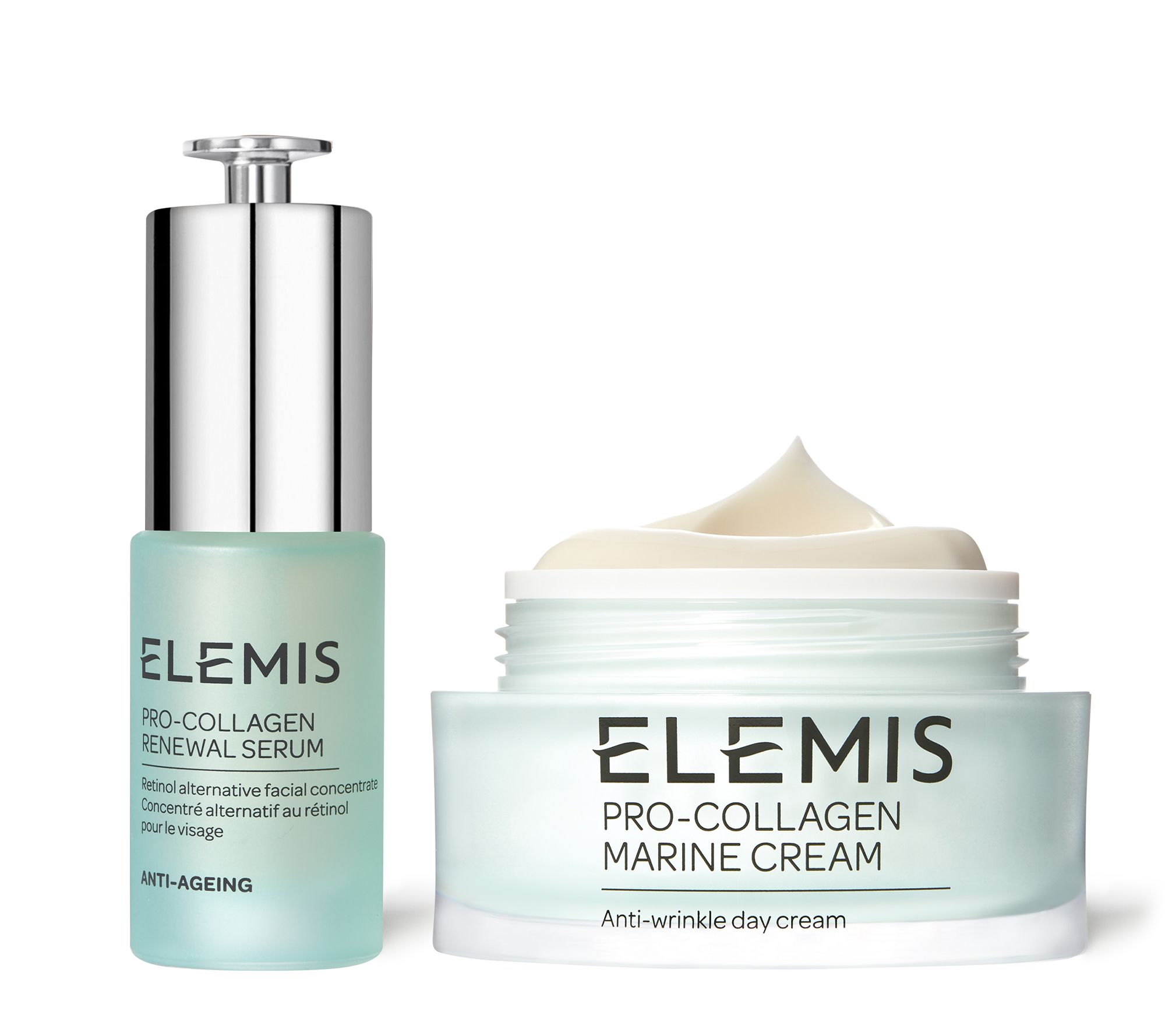
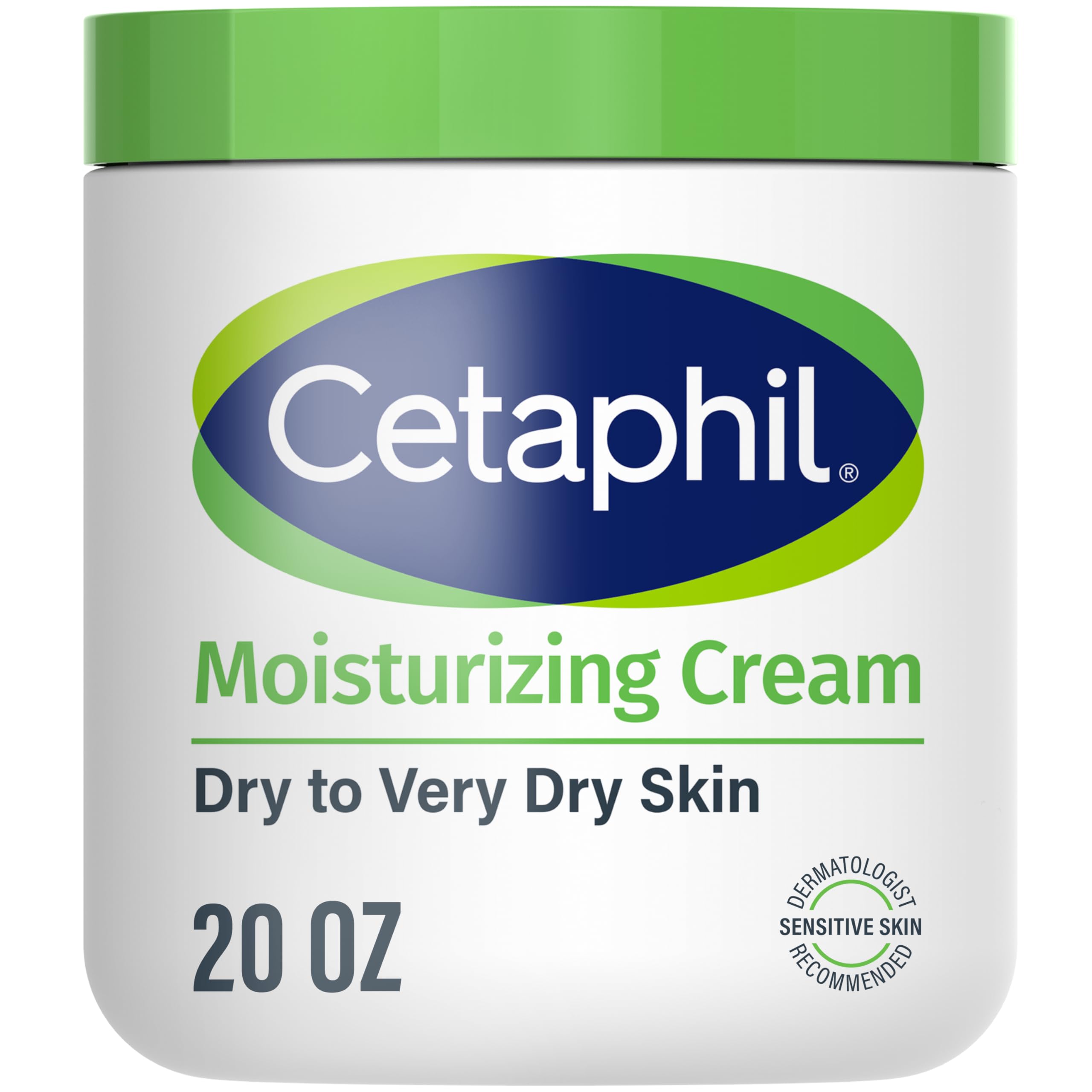
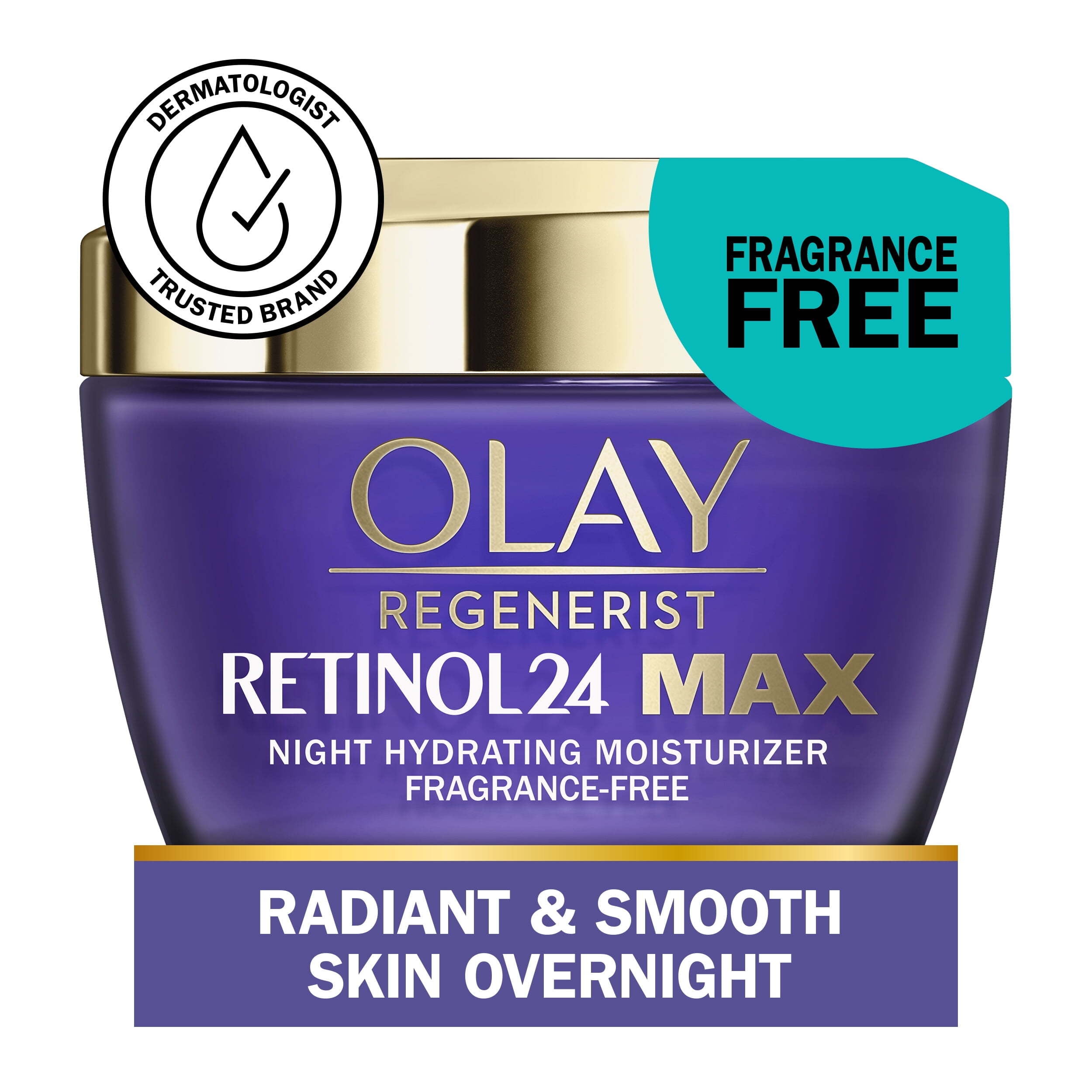
Products Containing Niacinamide
Evidence-based ingredient information. Not a substitute for individualized medical advice.