What is Propylene Glycol?
Often misunderstood, Propylene Glycol is a workhorse ingredient in many of your favorite skincare products, from moisturizers to serums, playing multiple crucial roles.
The Basics
Propylene Glycol (PG) is a small organic alcohol that functions as a humectant, solvent, and penetration enhancer in skincare formulations. Chemically, it's a diol, meaning it has two hydroxyl (-OH) groups, which allow it to attract and hold water. It's a clear, odorless, slightly viscous liquid that is completely soluble in water. Beyond skincare, it's widely used in pharmaceuticals, food products, and cosmetics due to its versatility and safety profile.
Key Benefits
Hydration (Humectant)
Propylene Glycol is a well-studied humectant, meaning it draws water from the surrounding environment (like the air) and deeper layers of the skin to the skin's surface. This helps to hydrate the stratum corneum (the outermost layer of skin), making it feel softer and smoother. It's less sticky than some other humectants like glycerin.
Solvent
It acts as an excellent solvent, helping to dissolve other ingredients, especially those that are not water-soluble. This allows formulators to create stable and aesthetically pleasing products where active ingredients are evenly dispersed and effective. This property is crucial for many complex skincare formulations.
Penetration Enhancer
Propylene Glycol can temporarily disrupt the skin's barrier, allowing other active ingredients to penetrate more effectively into the skin. This can enhance the efficacy of ingredients like retinoids, antioxidants, or exfoliants. This effect is generally mild and reversible.
Emollient
While primarily a humectant, Propylene Glycol also possesses some emollient properties, meaning it can help to soften and smooth the skin by filling in the gaps between skin cells, contributing to a more even skin texture.
Preservative Booster
Though not a primary preservative itself, Propylene Glycol can enhance the efficacy of other preservatives in a formulation, helping to prevent the growth of bacteria, yeast, and mold, thereby extending the product's shelf life and ensuring its safety.
How It Works
As a humectant, Propylene Glycol works by attracting and binding water molecules, much like a magnet. When applied to the skin, it pulls moisture from the atmosphere and from deeper skin layers to hydrate the skin's surface. As a solvent, its chemical structure allows it to dissolve a wide range of compounds, ensuring that active ingredients remain stable and evenly distributed within a product. Its ability to enhance penetration is thought to be due to its interaction with the lipids in the skin barrier, temporarily making the skin more permeable to other ingredients.
Effective Dose
Propylene Glycol is typically found in skincare products at concentrations ranging from 1% to 20%. In some specialized formulations, it might be present in higher amounts (e.g., up to 30-40%), but concentrations above 20% are more likely to cause irritation, especially in sensitive individuals or on compromised skin.
Who Benefits
- Individuals with dry or dehydrated skin seeking improved moisture retention.
- Anyone looking to enhance the delivery and efficacy of other active ingredients in their skincare routine.
- Those who use products where Propylene Glycol is a key component for texture, stability, or solvent properties (e.g., many serums, gels, and lotions).
Who Should Avoid
- Individuals with a known allergy or sensitivity to Propylene Glycol (though this is rare, it can manifest as allergic contact dermatitis).
- Those with extremely sensitive or compromised skin barriers, as higher concentrations might cause irritation in these cases.
Common Side Effects
- Allergic contact dermatitis (rare, but possible in sensitive individuals).
- Mild irritation, redness, or itching, particularly in higher concentrations or on broken/compromised skin.
- Stinging sensation, especially around the eyes or on sensitive areas.
Works Well With
- Glycerin (for enhanced humectant effects)
- Hyaluronic Acid (for comprehensive hydration)
- Ceramides (to support skin barrier function while enhancing penetration)
- Occlusive ingredients like Petrolatum or Dimethicone (to lock in the moisture Propylene Glycol attracts)
- Most active ingredients (e.g., retinoids, antioxidants, AHAs/BHAs) as it can aid their penetration and stability.
Avoid Combining With
- Generally, Propylene Glycol is compatible with almost all skincare ingredients. However, if you have very sensitive skin, using high concentrations of Propylene Glycol alongside other potent irritants (e.g., high-strength exfoliating acids or retinoids) might theoretically increase the potential for irritation. This is more about overall formulation and individual skin tolerance than a direct chemical incompatibility.
People Also Ask
Is Propylene Glycol safe?
Yes, Propylene Glycol is widely considered safe for topical use in cosmetics and skincare by regulatory bodies like the FDA. Extensive research has shown it to be non-toxic and non-carcinogenic. Allergic reactions are rare, occurring in a small percentage of the population.
Can I use Propylene Glycol every day?
Absolutely. Propylene Glycol is a common ingredient in many daily skincare products and is generally well-tolerated for everyday use. Its hydrating and solvent properties are beneficial for consistent skin health and product efficacy.
Is Propylene Glycol bad for acne?
For most people, Propylene Glycol is not considered comedogenic (pore-clogging) and is often found in acne-friendly formulations. However, individual skin reactions can vary. If you notice breakouts after introducing a product containing Propylene Glycol, it might be due to other ingredients in the formulation or an individual sensitivity, rather than Propylene Glycol itself.
Is Propylene Glycol safe during pregnancy?
Topical application of Propylene Glycol in skincare products is generally considered safe during pregnancy and breastfeeding. Its systemic absorption through the skin is minimal. If you have concerns, always consult your healthcare provider.
What's the difference between Propylene Glycol and Ethylene Glycol?
While both are glycols, they are distinct chemicals. Ethylene Glycol is highly toxic if ingested and is commonly found in antifreeze. Propylene Glycol, on the other hand, has a very low toxicity profile and is approved for use in food, pharmaceuticals, and cosmetics. They should not be confused; Propylene Glycol is the safe ingredient used in skincare.
Bottom Line
Propylene Glycol is a highly versatile and effective ingredient in skincare, valued for its ability to hydrate, dissolve other compounds, and enhance the penetration of active ingredients. Despite some misinformation, it is generally safe and well-tolerated for most individuals, playing a crucial role in the stability and performance of many beloved skincare products. For the vast majority, it's a beneficial component that contributes to healthier, more hydrated skin.
References
- 1.FDA Drug Label — Foster and Thrive Lubricating Tears Lubricant Eye Drops
FDA DailyMed: Foster and Thrive Lubricating Tears Lubricant Eye Drops · FDA
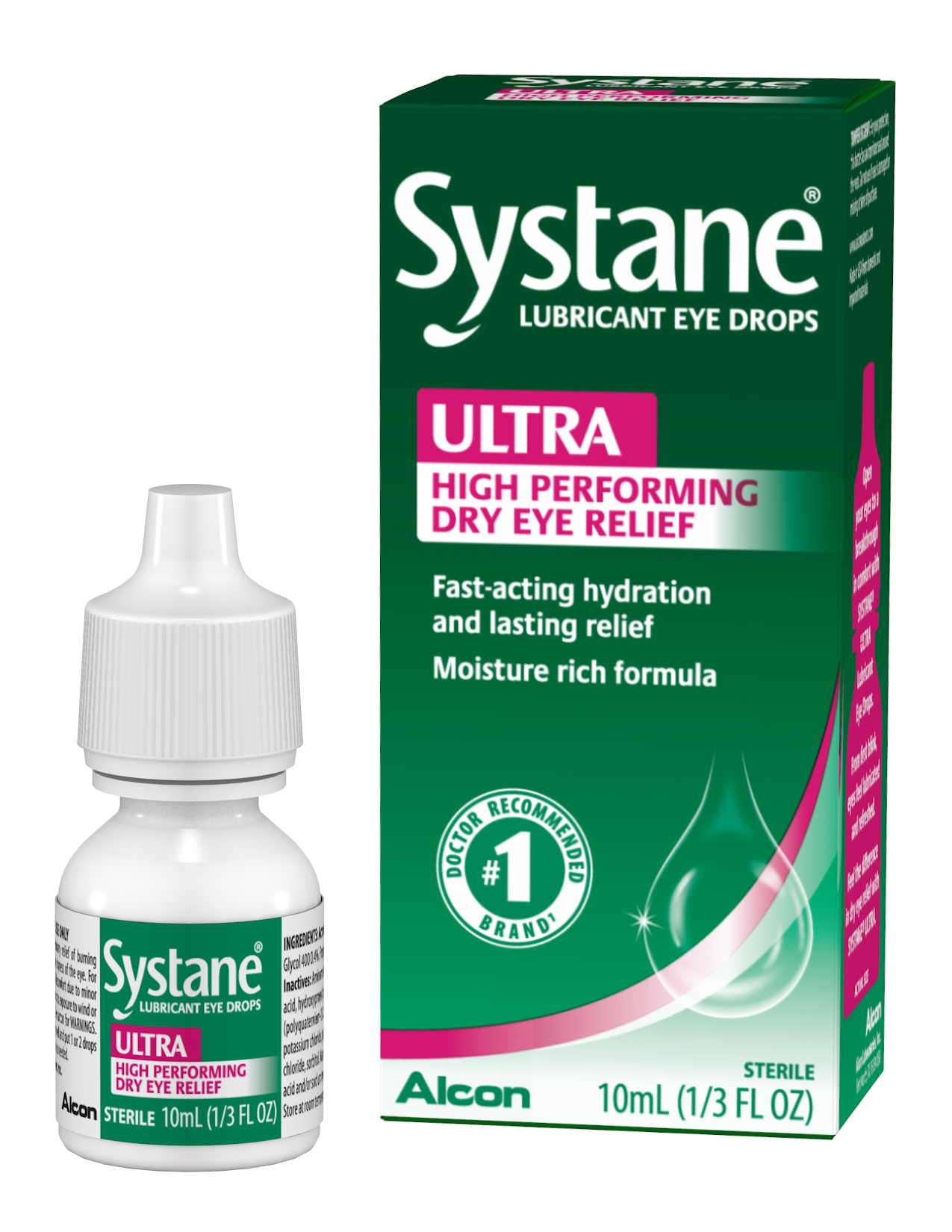
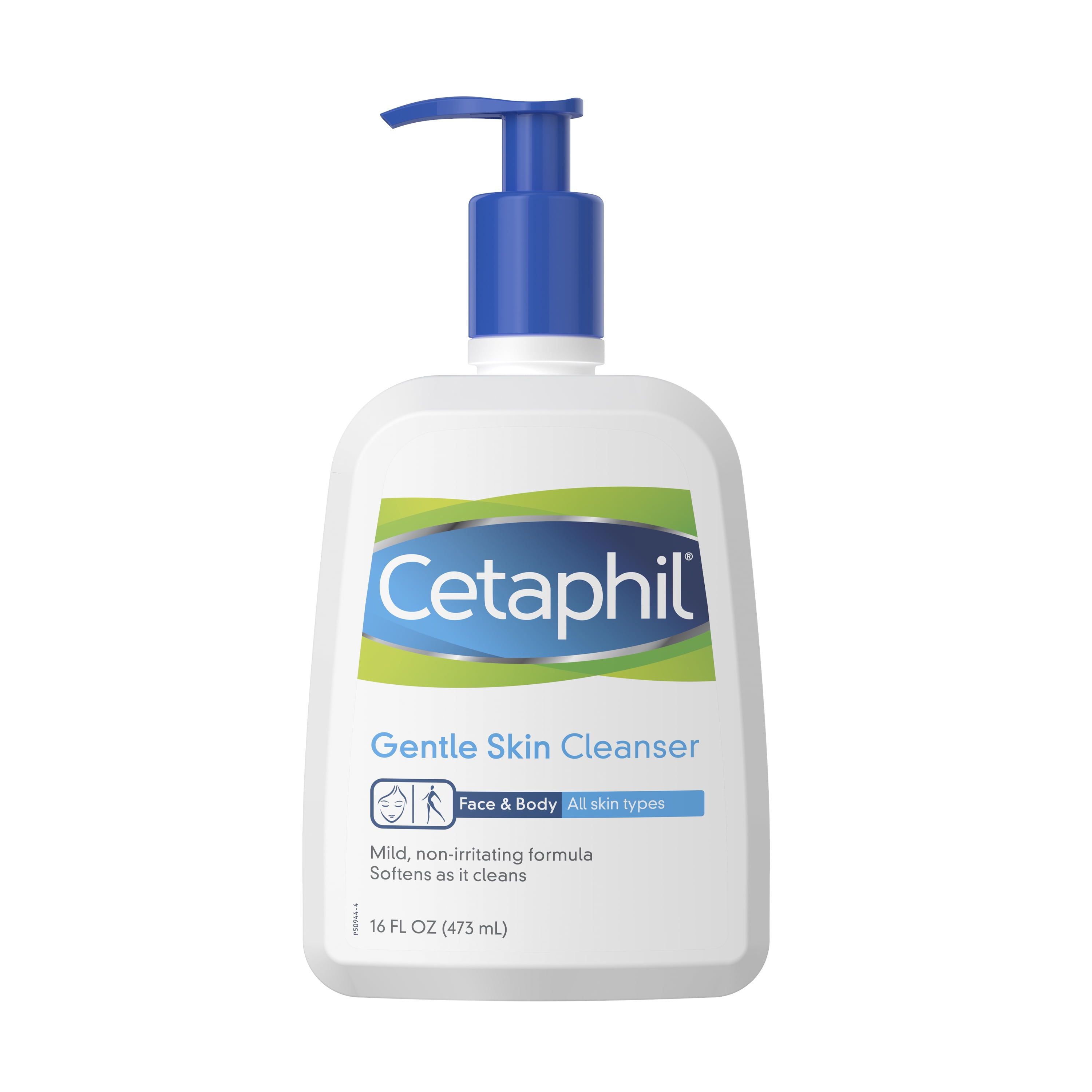
Products Containing Propylene Glycol
Evidence-based ingredient information. Not a substitute for individualized medical advice.