What is Zinc Oxide?
Seeking reliable, gentle sun protection and skin soothing? Zinc Oxide is a dermatologist-favorite mineral ingredient that delivers both.
The Basics
Zinc Oxide is a naturally occurring mineral compound derived from the element zinc. In skincare, it primarily functions as a physical (or mineral) sunscreen filter and a skin protectant. Unlike chemical sunscreens that absorb UV rays, zinc oxide works by sitting on top of the skin, creating a physical barrier that reflects and scatters both UVA and UVB radiation away from the skin. It is often formulated as 'non-nano' zinc oxide, meaning its particles are too large to be absorbed into the bloodstream, making it a preferred choice for many due to safety considerations.
Key Benefits
Broad-Spectrum UV Protection
Well-studied and FDA-approved, zinc oxide provides effective broad-spectrum protection against both UVA (aging rays) and UVB (burning rays). It physically blocks UV radiation, making it highly stable and immediately effective upon application.
Skin Protectant and Soother
Well-studied for its soothing and protective properties, zinc oxide creates a barrier on the skin that helps to calm irritation, reduce redness, and promote healing. This is why it's a key ingredient in products for diaper rash, minor cuts, and chafing.
Gentle for Sensitive Skin
Well-studied and generally considered hypoallergenic, zinc oxide is less likely to cause irritation or allergic reactions compared to some chemical sunscreen filters. This makes it an excellent choice for individuals with sensitive skin, rosacea, or eczema.
Non-Comedogenic
Generally considered non-comedogenic, meaning it is unlikely to clog pores. This makes zinc oxide a suitable option for those with acne-prone skin, as it provides sun protection without exacerbating breakouts.
How It Works
When applied to the skin, zinc oxide forms a protective layer that acts like a physical shield. Its mineral particles reflect and scatter harmful ultraviolet (UVA and UVB) rays, preventing them from penetrating and damaging skin cells. Additionally, it possesses mild astringent and antiseptic properties, which contribute to its ability to soothe irritated skin and support the skin's natural healing process by creating a breathable, protective barrier.
Effective Dose
For effective broad-spectrum sunscreen protection, zinc oxide is typically found in concentrations ranging from 10% to 25%. For its role purely as a skin protectant (e.g., in diaper creams), concentrations can vary, often starting around 5%.
Who Benefits
- Individuals seeking broad-spectrum sun protection
- People with sensitive skin, rosacea, or eczema
- Those prone to acne or breakouts
- Children and infants (often recommended for diaper rash)
- Anyone looking for a stable, immediately effective sunscreen
- Individuals concerned about chemical sunscreen absorption
Who Should Avoid
- Individuals with a rare, documented allergy to zinc oxide (consult a dermatologist if unsure)
- Those who strongly dislike a potential white cast on their skin (though modern formulations minimize this)
Common Side Effects
- Potential for a white cast on the skin, especially on darker skin tones or with higher concentrations (modern formulations often use micronized or tinted versions to reduce this)
- Rare instances of mild dryness or irritation, particularly if combined with other harsh ingredients or if skin is already compromised
Works Well With
- Antioxidants (e.g., Vitamin C, Vitamin E, Ferulic Acid) for enhanced environmental protection
- Hyaluronic Acid for added hydration
- Niacinamide for barrier support and soothing benefits
- Ceramides for strengthening the skin barrier
Avoid Combining With
- While generally stable and compatible with most ingredients, avoid mixing zinc oxide sunscreen directly into other products (like moisturizers or foundations) before application, as this can dilute its effectiveness and compromise its SPF rating. Always apply sunscreen as the last step in your skincare routine.
People Also Ask
Can I use zinc oxide sunscreen every day?
Yes, daily use of zinc oxide sunscreen is highly recommended by dermatologists for consistent broad-spectrum UV protection, which is crucial for preventing sun damage, premature aging, and skin cancer.
Is zinc oxide safe during pregnancy?
Yes, zinc oxide is generally considered one of the safest sunscreen ingredients for use during pregnancy and breastfeeding. Its minimal skin absorption makes it a preferred choice over chemical sunscreens for expectant mothers.
Does zinc oxide cause acne?
No, zinc oxide is typically non-comedogenic, meaning it does not clog pores. In fact, its anti-inflammatory properties can even be beneficial for acne-prone skin, helping to soothe irritation and redness.
What's the difference between nano and non-nano zinc oxide?
Nano zinc oxide refers to particles smaller than 100 nanometers, which can appear more transparent on the skin. Non-nano zinc oxide has larger particles (over 100 nm) and is generally preferred by those concerned about potential absorption of nanoparticles, though current evidence suggests even nano-particles are unlikely to penetrate healthy skin deeply.
Does zinc oxide leave a white cast?
Traditional zinc oxide formulations can leave a noticeable white cast, especially at higher concentrations or on darker skin tones. However, many modern sunscreens use micronized (finely milled) zinc oxide or incorporate tints to minimize or eliminate the white residue.
Bottom Line
Zinc Oxide is a highly effective, well-tolerated, and versatile mineral ingredient that offers robust broad-spectrum UV protection and significant skin-soothing benefits. It's an excellent choice for almost all skin types, especially sensitive, acne-prone, or compromised skin, providing a safe and reliable defense against environmental stressors.
References
- 1.FDA Drug Label — Attitude Diaper Cream Zinc Unscented
FDA DailyMed: Attitude Diaper Cream Zinc Unscented · FDA
- 2.Comprehensive review of current endodontic sealers.
Komabayashi T, Colmenar D, Cvach N, et al., Dental materials journal, 2020 · PubMed
- 3.Clinical and radiographic success of (partial) pulpotomy and pulpectomy in primary teeth: A systematic review.
Boutsiouki C, Frankenberger R, Krämer N, European journal of paediatric dentistry, 2021 · PubMed
- 4.Use of Vital Pulp Therapies in Primary Teeth 2024.
Coll JA, Dhar V, Chen CY, et al., Pediatric dentistry, 2024 · PubMed
- 5.A comparison of calcium hydroxide/iodoform paste and zinc oxide eugenol as root filling materials for pulpectomy in primary teeth: A systematic review and meta-analysis.
Najjar RS, Alamoudi NM, El-Housseiny AA, et al., Clinical and experimental dental research, 2019 · PubMed
- 6.The role of zinc in the treatment of acne: A review of the literature.
Cervantes J, Eber AE, Perper M, et al., Dermatologic therapy, 2018 · PubMed
Products Containing Zinc Oxide
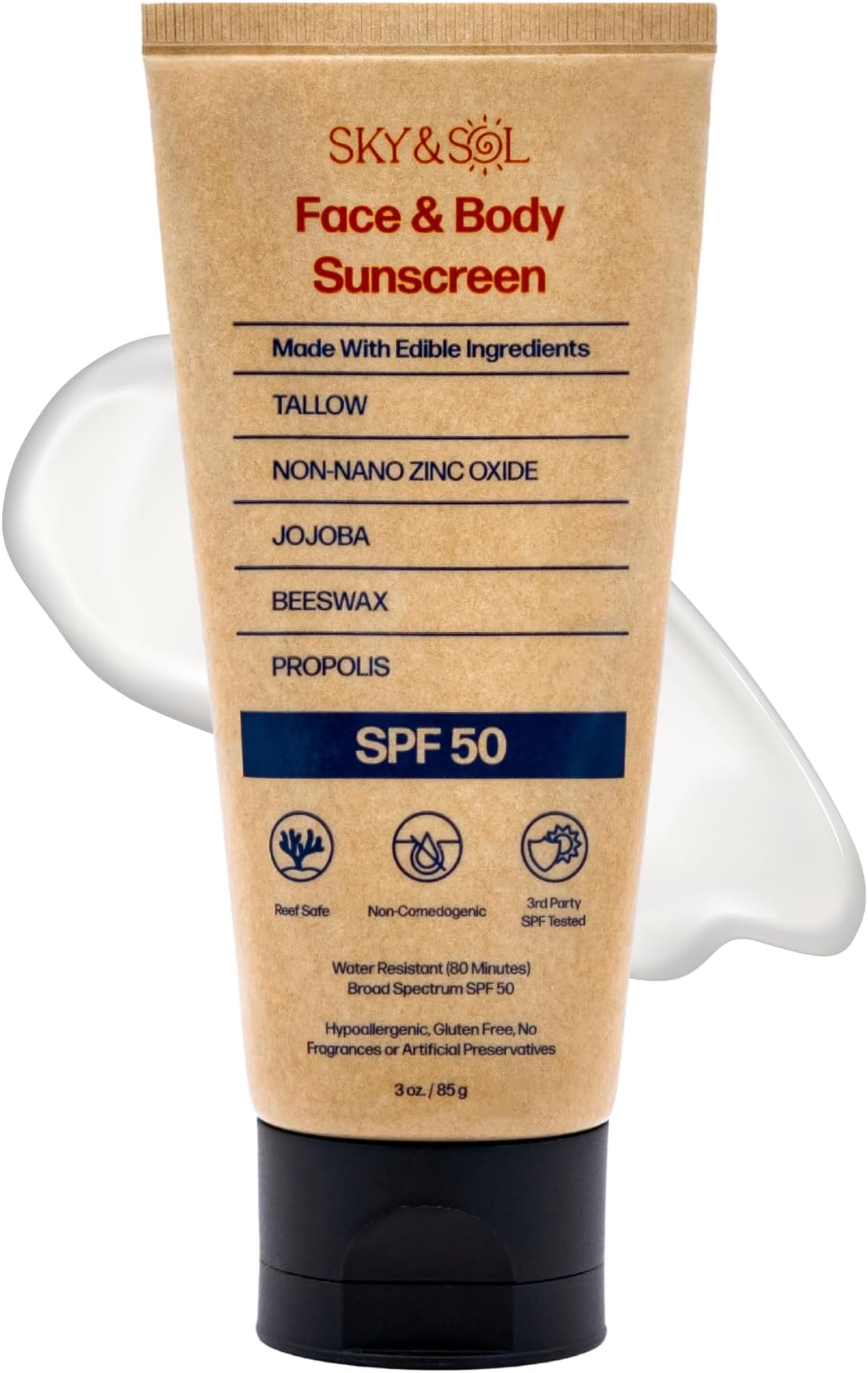
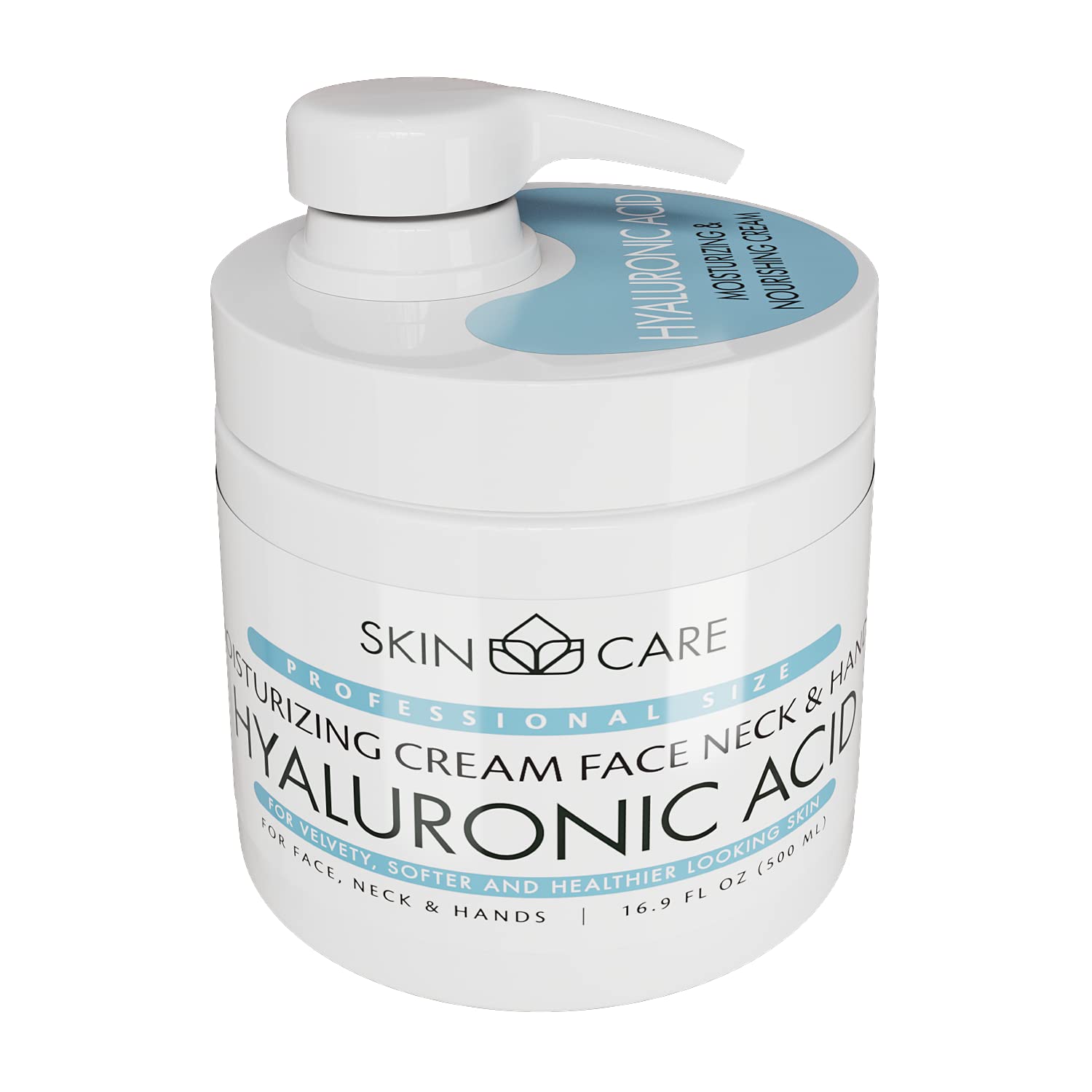
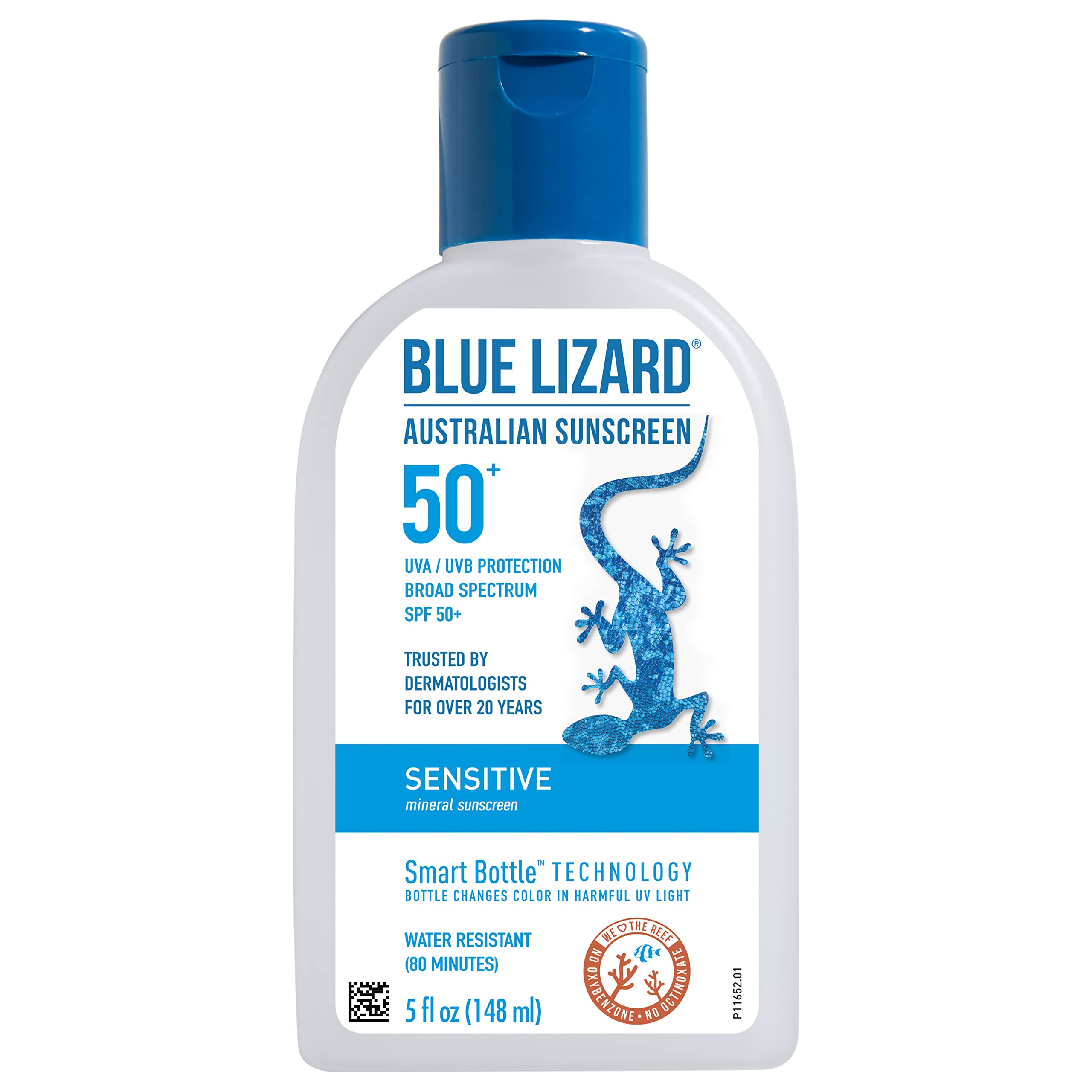

Evidence-based ingredient information. Not a substitute for individualized medical advice.