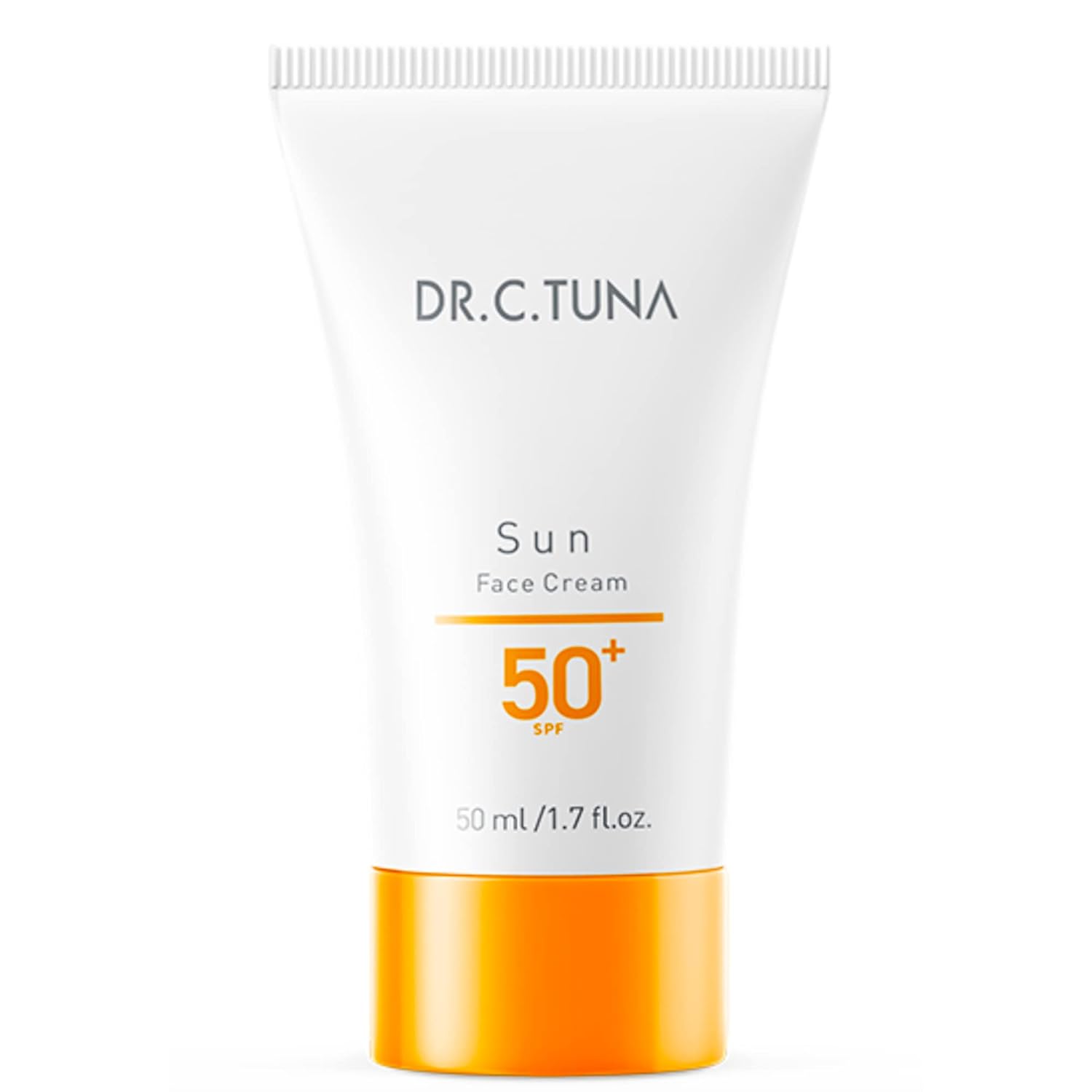
Is Sun face cream Safe?
Generally yes, sun face cream is safe for daily use and is a critical part of protecting your skin from sun damage, skin cancer, and premature aging. Most formulations are well-tolerated, with serious side effects being rare.
Who Should Avoid or Consult First
- Individuals with known allergies to specific sunscreen ingredients
- People with extremely sensitive skin who may react to certain chemical filters
Common Side Effects
- Skin irritation or redness — especially with chemical sunscreens
- Allergic reactions like rash or itching — rare but possible
- Breakouts or clogged pores — more common with heavier or comedogenic formulas
- Eye irritation if applied too close to the eyes
Interactions to Watch For
People Also Ask
Is facial sunscreen safe during pregnancy?
Yes, facial sunscreens are generally considered safe to use during pregnancy and while breastfeeding. Mineral sunscreens containing zinc oxide or titanium dioxide are often recommended as they sit on the skin's surface and are not absorbed.
How do I layer sunscreen with actives?
Apply your sun face cream as the very last step in your morning skincare routine, after all other serums, treatments (like retinol, AHA, BHA, Vitamin C), and moisturizers. This ensures it forms a protective barrier on top of your skin.
What sunscreen is best for oily skin?
For oily or acne-prone skin, look for sunscreens labeled 'non-comedogenic,' 'oil-free,' or 'mattifying.' Gel or fluid textures are often preferred as they feel lighter and are less likely to clog pores.
Which sunscreen is good for sensitive skin?
People with sensitive skin often tolerate mineral sunscreens (zinc oxide, titanium dioxide) better, as these ingredients are less likely to cause irritation compared to some chemical filters. Always patch test new products before full application.
Bottom Line
Make daily use of a broad-spectrum facial sunscreen with at least SPF 30 a non-negotiable part of your morning routine to protect your skin's health and appearance. Choose a formula that suits your skin type and preferences to ensure consistent use.
References
- 1.FDA Drug Label — Dr.C.Tuna Sun Face Cream SPF50
FDA DailyMed: Dr.C.Tuna Sun Face Cream SPF50 · FDA
Want the full pharmacist analysis?
See full review of Sun face creamEducational content based on FDA labeling, published research, and pharmacist review. Not a substitute for individualized medical advice.