Your Nightly Skincare Routine: A 3-Step Guide
The 1-Minute Read
medium confidenceKey Takeaways
- Start by washing your face with a gentle cleanser.
- Apply treatments like retinoids or acne products to clean, dry skin [3][4].
- Always finish with a moisturizer to hydrate and protect your skin barrier [2].
- Apply products in order from thinnest to thickest texture.
- Sunscreen is for your morning routine, not for evening use [1][6].
Recommended Products
Top pharmacist-reviewed picks mentioned in this article.
Ingredients at a Glance
Top actives per product + what overlaps
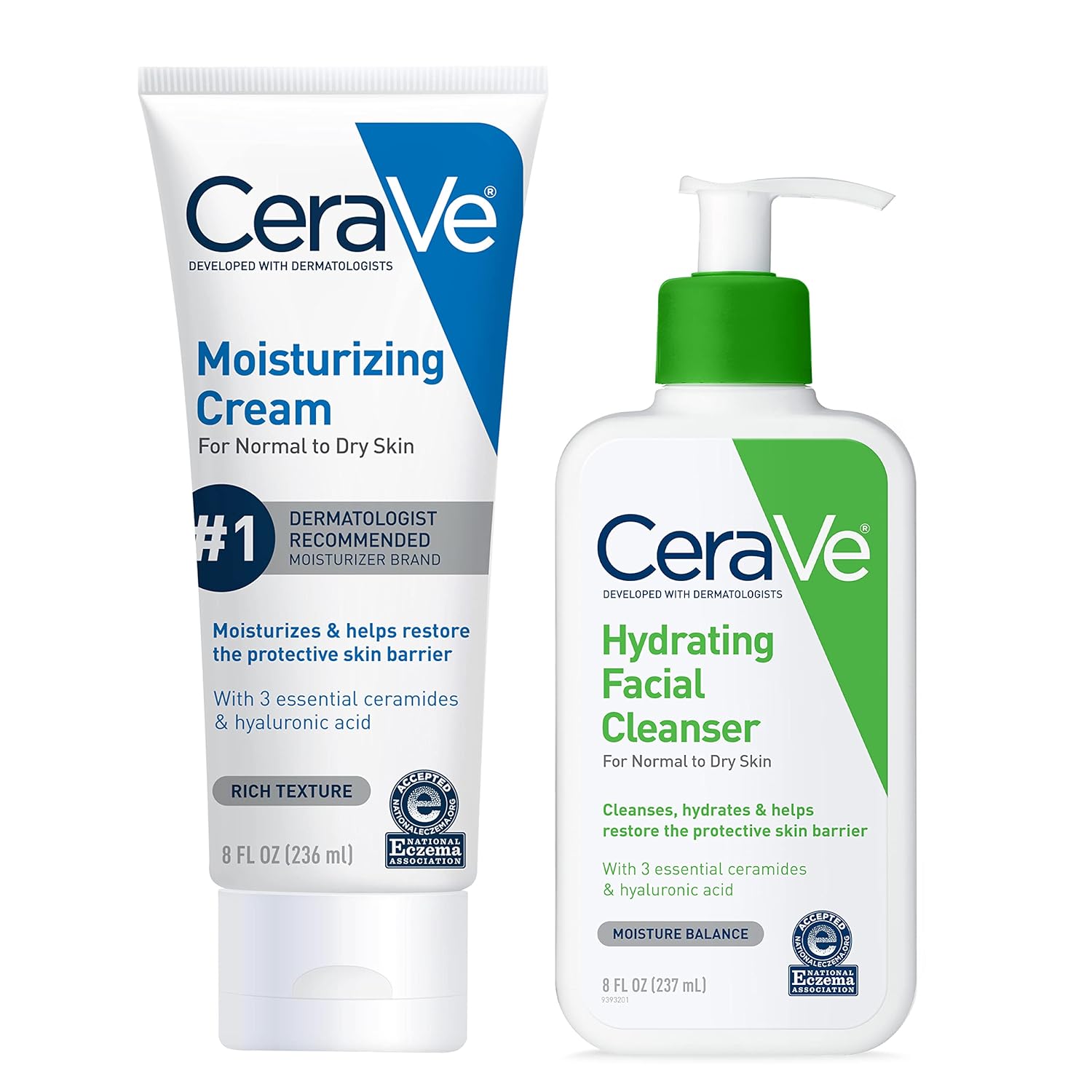
CeraVe Hydrating Facial Cleanser
- Ceramides (1, 3, 6-II)
- Hyaluronic Acid
- Glycerin
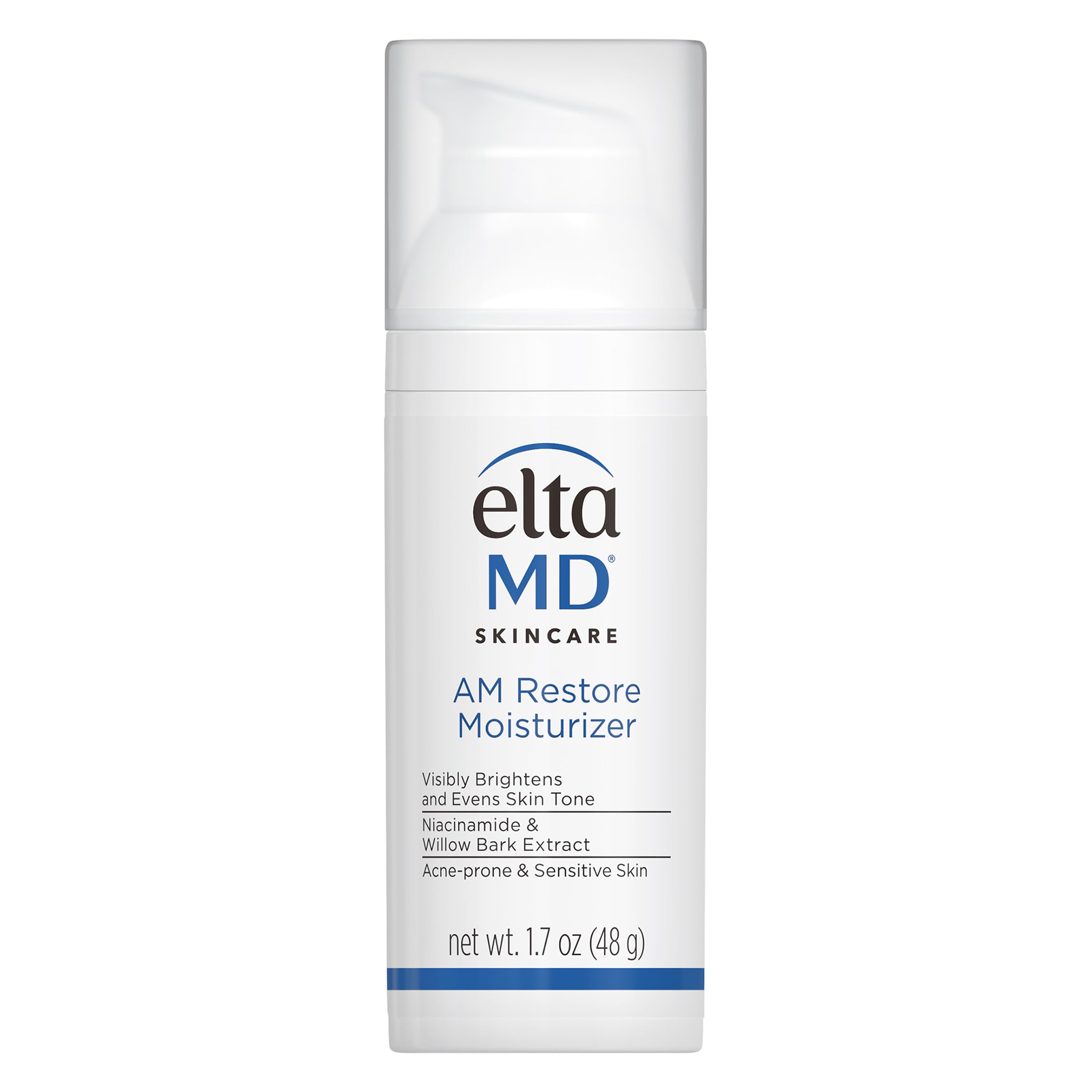
EltaMD PM Therapy Facial Moisturizer
- Niacinamide (Vitamin B3)
- Glycerin
- Hydrolyzed Rice Protein
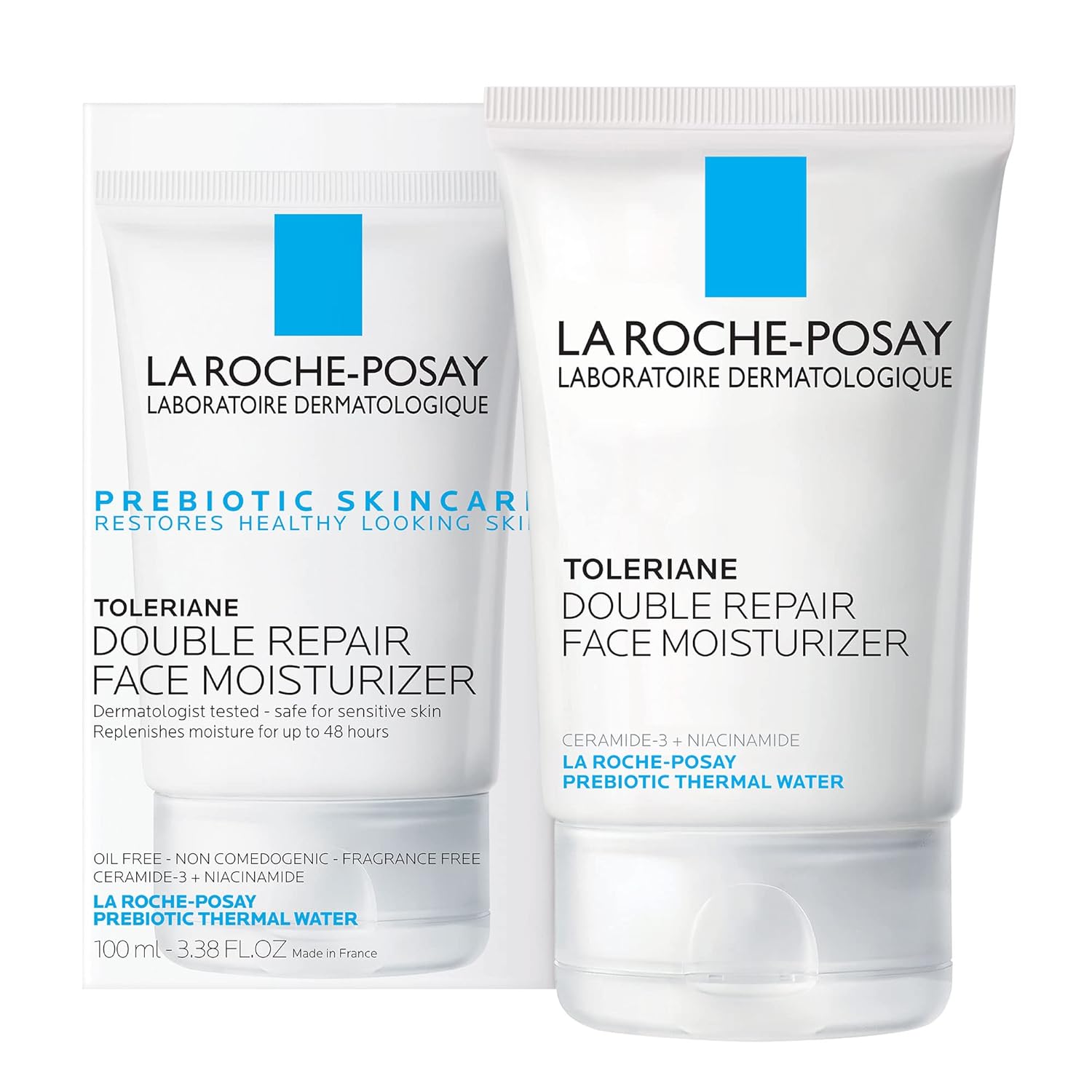
La Roche-Posay Toleriane Double Repair Face Moisturizer
- Ceramide-3
- Niacinamide
- Glycerin
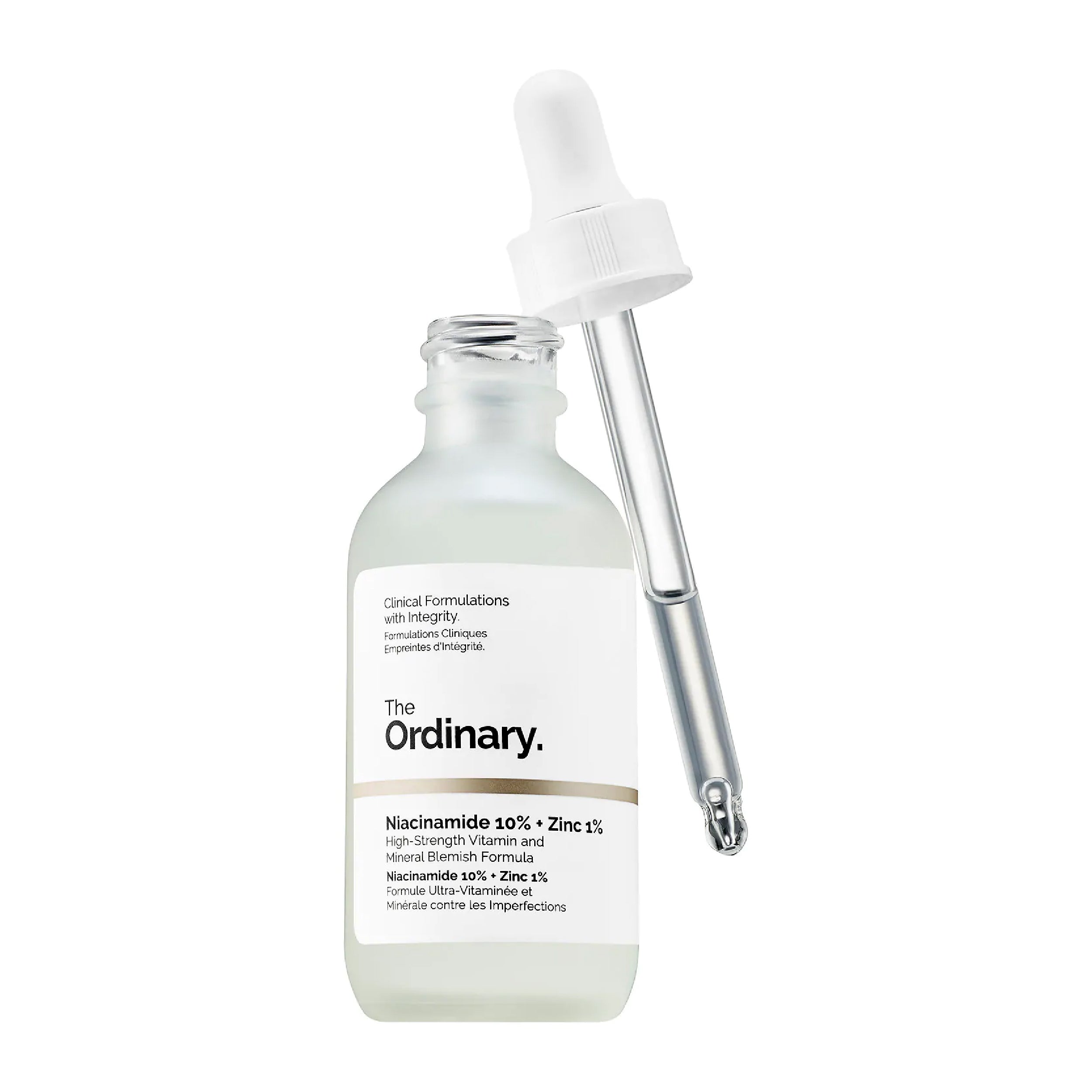
The Ordinary Niacinamide 10% + Zinc 1%
- Niacinamide (10%)
- Zinc PCA (1%)
- Tamarindus Indica Seed Gum
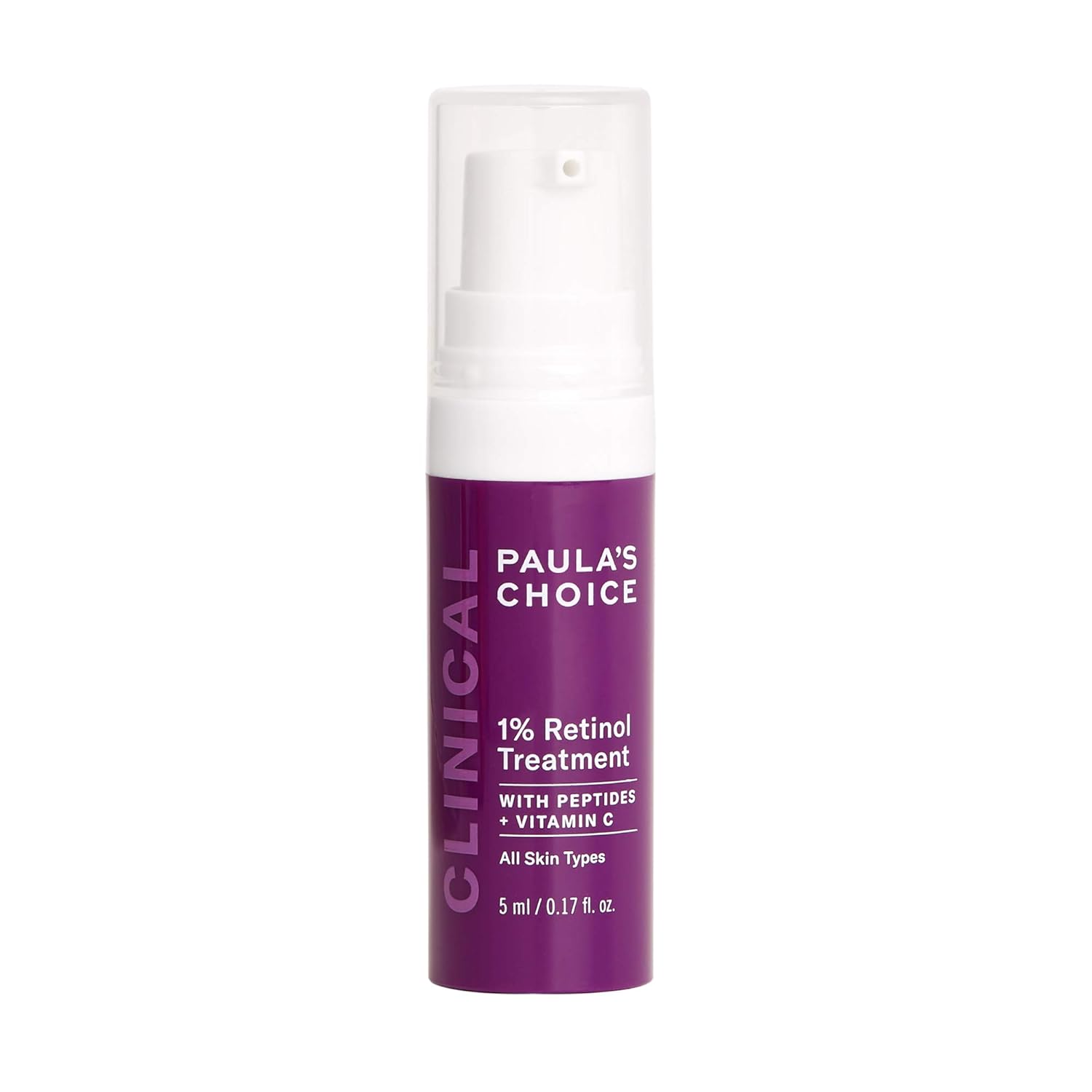
Paula's Choice Clinical 1% Retinol Treatment
- Retinol (1%)
- Peptides (Palmitoyl Tripeptide-1, etc.)
- Vitamin C
Pharmacist's take
The two treatment products serve different purposes: Paula's Choice uses retinol, a powerful ingredient for anti-aging [4], while The Ordinary uses niacinamide to target oiliness and blemishes. For moisturizers, both the La Roche-Posay and EltaMD products are excellent for barrier repair, with the EltaMD being a particularly lightweight option.
Safety Information
See a doctor if…
- Skin becomes persistently red, stinging, or flaky after starting a new product.
- Acne doesn't improve after 4-6 weeks of using an over-the-counter treatment [3].
- You experience signs of an allergic reaction, like a rash or swelling.
- Your skin becomes painfully dry or cracked [2].
Sources
Primary Sources
- [0]FDA — Modernization of Cosmetics Regulation Act (MoCRA)
FDA — Modernization of Cosmetics Regulation Act (MoCRA)
Expert Authorities
- [1]AAD — How to apply sunscreen
AAD — How to apply sunscreen
- [2]AAD — Dry skin: Diagnosis and treatment
AAD — Dry skin: Diagnosis and treatment
- [3]AAD — Acne: Diagnosis and treatment
AAD — Acne: Diagnosis and treatment
- [4]AAD — Retinoids for anti-aging
AAD — Retinoids for anti-aging
- [5]Cosmetic Ingredient Review — Safety assessments database
Cosmetic Ingredient Review — Safety assessments database
- [6]Skin Cancer Foundation — Sunscreen FAQ
Skin Cancer Foundation — Sunscreen FAQ