OTC Migraine Relief: What Actually Works?
The 1-Minute Read
high confidenceKey Takeaways
- A combination of acetaminophen, aspirin, and caffeine is a highly effective OTC migraine treatment.
- NSAIDs like ibuprofen (Advil) and naproxen (Aleve) can also relieve migraine pain by reducing inflammation [7].
- For best results, take your chosen OTC medication as soon as you feel a migraine starting.
- Using OTC pain relievers more than 10-15 days a month can cause medication-overuse headaches.
- Always check the active ingredients, especially if you have other health conditions or take other medicines [6][7].
Recommended Products
Top pharmacist-reviewed picks mentioned in this article.
Ingredients at a Glance
Top actives per product + what overlaps
Aleve
- Naproxen Sodium
Excedrin Migraine
- ACETAMINOPHEN
- ASPIRIN
- CAFFEINE
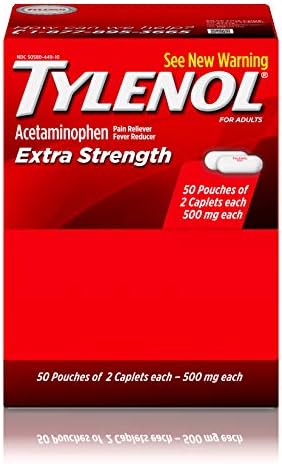
Tylenol Extra Strength Caplets
- Acetaminophen (500 mg)
Advil
- Ibuprofen
- Acetaminophen
Biofreeze
- Menthol
Pharmacist's take
Excedrin Migraine is a combination product using acetaminophen, aspirin, and caffeine, which work together for enhanced effect. Advil and Aleve are both NSAIDs that reduce inflammation but differ in duration, with Aleve lasting longer. Tylenol contains only acetaminophen, a pain reliever that works differently and is a good alternative for those who must avoid NSAIDs.
Safety Information
See a doctor if…
- Your headache is sudden, severe, and feels like the 'worst headache of your life.'
- The headache is accompanied by a fever, stiff neck, confusion, or seizures.
- You experience weakness, numbness, or trouble speaking or seeing.
- Your headaches get steadily worse or more frequent over time.
- You need to take pain medication for headaches more than two days per week.
Sources
Primary Sources
- [0]Non-prescription (OTC) oral analgesics for acute pain - an overview of Cochrane reviews.
Moore RA, Wiffen PJ, Derry S, et al., The Cochrane database of systematic reviews, 2015 · 2015
- [1]Efficacy of OTC analgesics.
Moore RA, Derry C, International journal of clinical practice. Supplement, 2013 · 2013
- [2]Diclofenac with or without an antiemetic for acute migraine headaches in adults.
Derry S, Rabbie R, Moore RA, The Cochrane database of systematic reviews, 2013 · 2013
- [3]Over-the-counter triptans for migraine : what are the implications?
Tfelt-Hansen P, Steiner TJ, CNS drugs, 2007 · 2007
- [4]Diclofenac with or without an antiemetic for acute migraine headaches in adults.
Derry S, Rabbie R, Moore RA, The Cochrane database of systematic reviews, 2012 · 2012
- [5]FDA — Over-the-counter (OTC) Drugs
FDA — Over-the-counter (OTC) Drugs
- [6]FDA — Acetaminophen information
FDA — Acetaminophen information
- [7]FDA — Ibuprofen prescribing information
FDA — Ibuprofen prescribing information