What Dermatologists Want You to Know About Moisturizer
The 1-Minute Read
medium confidenceKey Takeaways
- For dry skin, seek moisturizers with humectants and occlusives to lock in hydration [3].
- If you have acne, choose moisturizers labeled 'non-comedogenic' to avoid clogged pores [4].
- Your daily moisturizer does not replace the need for a separate SPF 30+ sunscreen [2, 7].
- For anti-aging benefits, ingredients like retinoids are key, often found in serums or treatments [5].
- If you're unsure what your skin needs, a dermatologist can provide personalized advice.
Recommended Products
Top pharmacist-reviewed picks mentioned in this article.
Ingredients at a Glance
Top actives per product + what overlaps
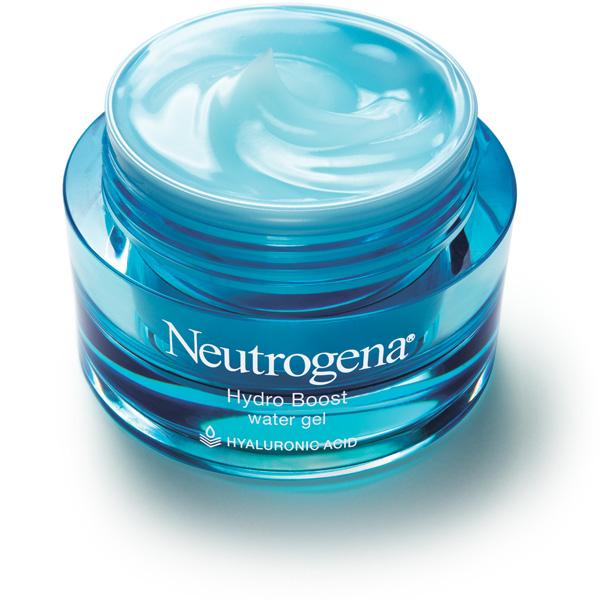
Neutrogena Hydro Boost Water Gel
- Hyaluronic Acid (as Sodium Hyaluronate)
- Glycerin
- Dimethicone
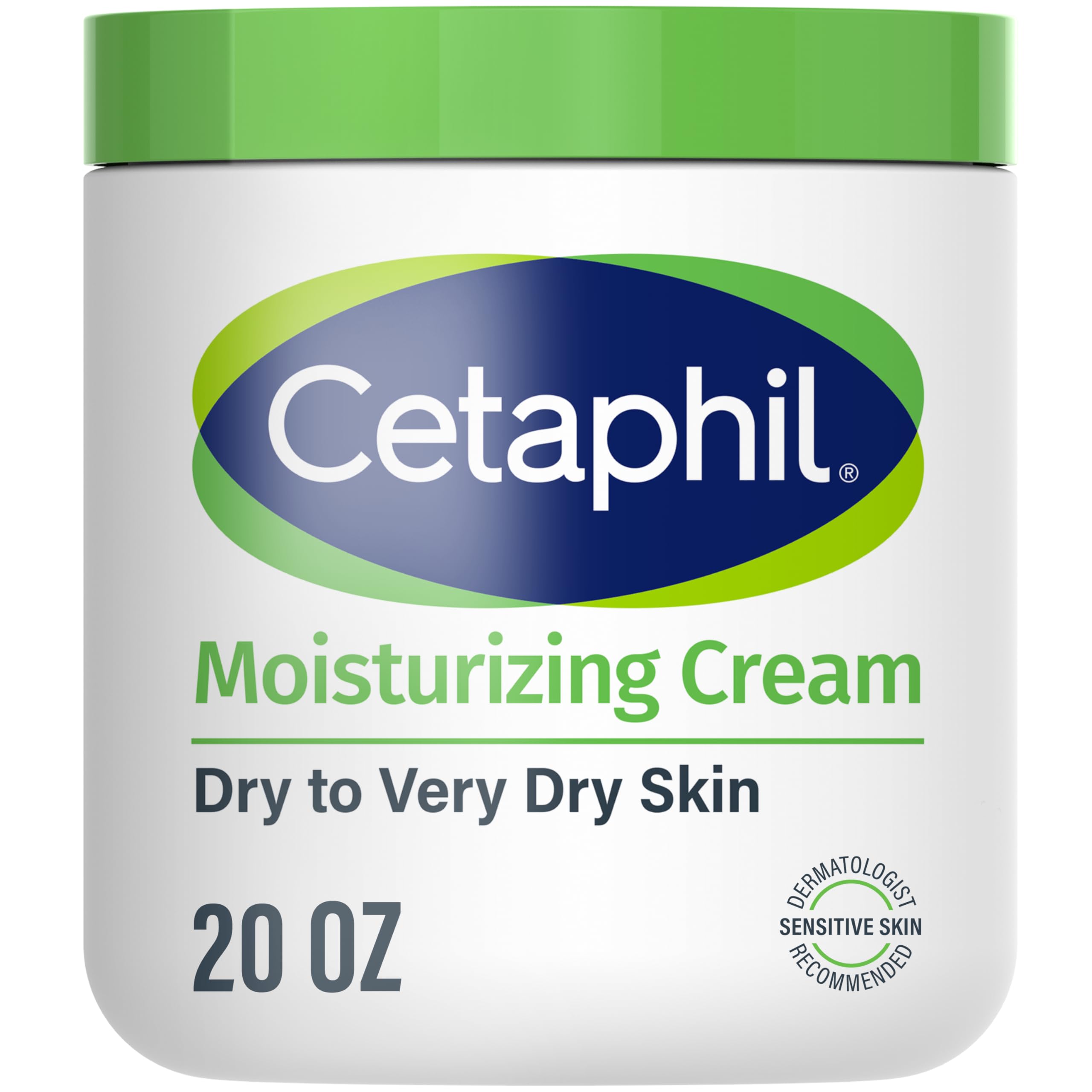
Cetaphil Moisturizing Cream
- Glycerin
- Petrolatum
- Niacinamide (Vitamin B3)
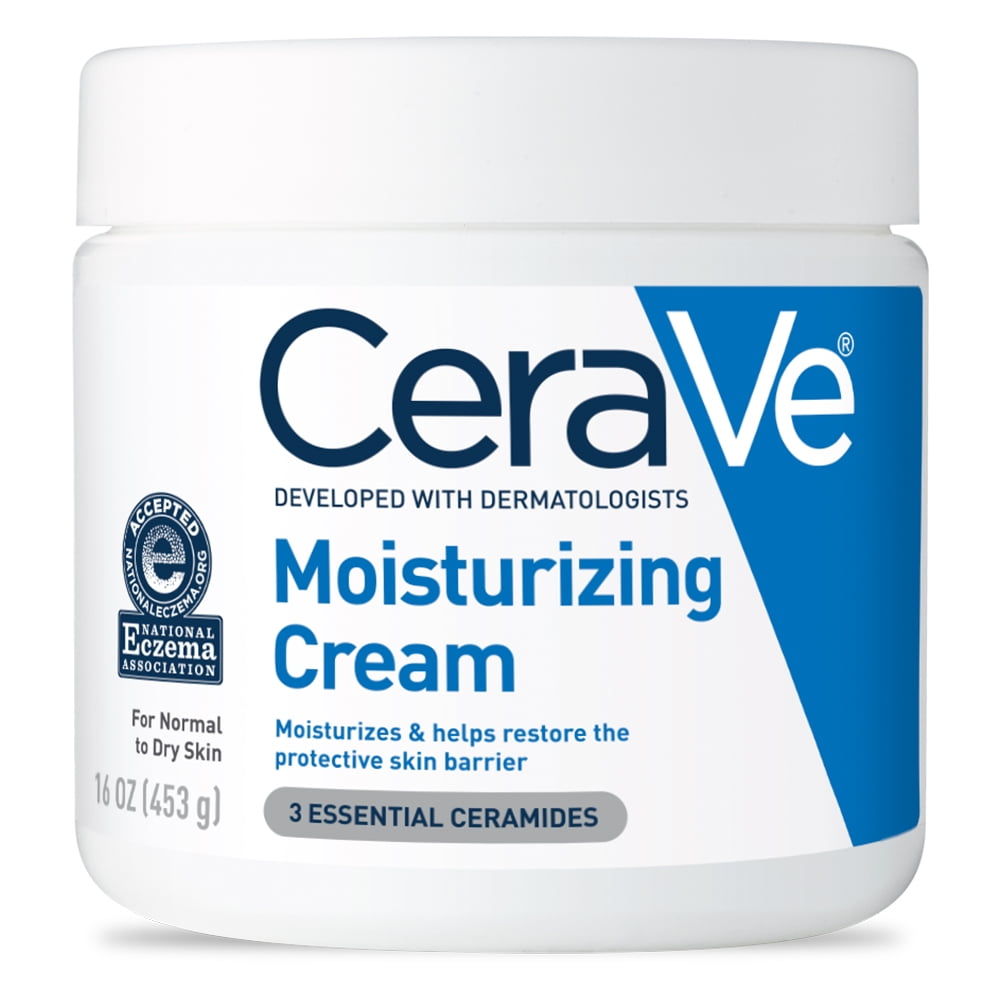
CeraVe Moisturizing Cream
- Ceramide NP (Ceramide 3)
- Hyaluronic Acid (Sodium Hyaluronate)
- Cholesterol
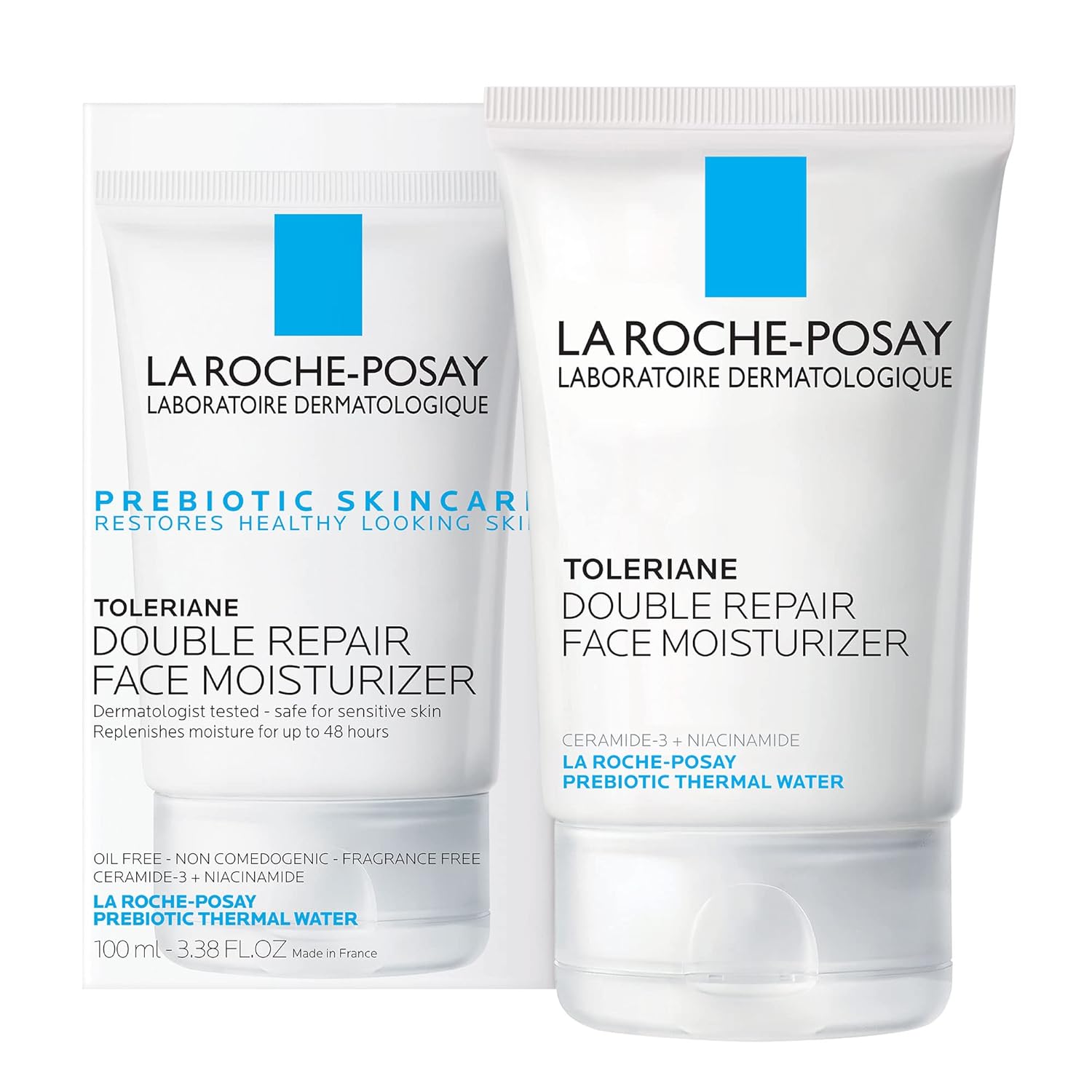
La Roche-Posay Toleriane Double Repair Face Moisturizer
- Ceramide-3
- Niacinamide
- Glycerin
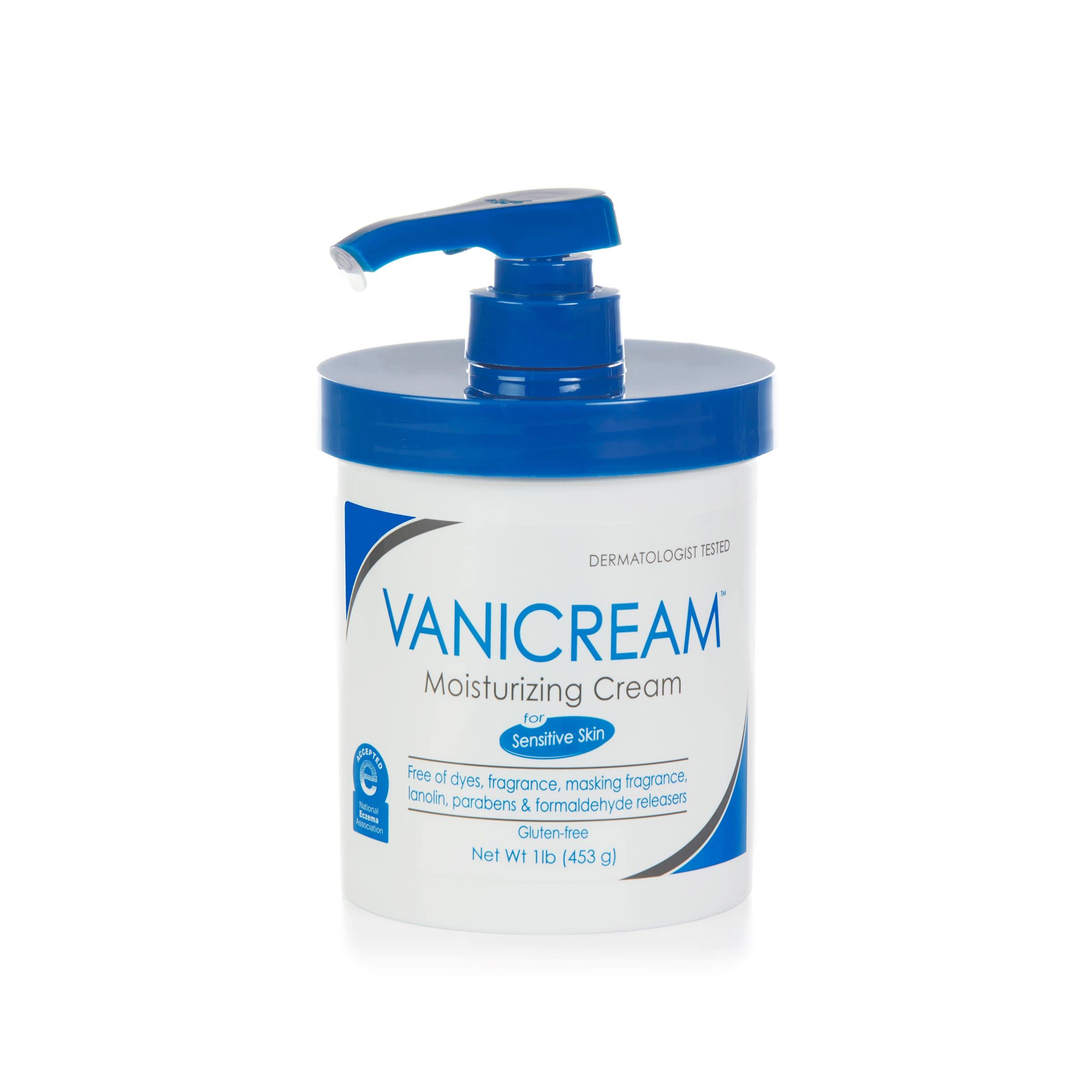
Vanicream Moisturizing Cream
- Petrolatum
- Sorbitol
- Cetearyl Alcohol
Pharmacist's take
Most of these recommended products are cream-based moisturizers that focus on supporting the skin's barrier with ingredients like ceramides. The Neutrogena Hydro Boost stands out as a water-gel formula, which provides powerful hydration from hyaluronic acid but with a much lighter feel, making it a great option for those with oily skin.
Safety Information
See a doctor if…
- Your skin feels tight, itchy, or irritated after applying the product.
- You develop new or worsening acne in areas where you use the moisturizer.
- You experience signs of an allergic reaction, like a rash, redness, or hives.
Sources
Primary Sources
- [0]Traits and selection strategies to improve root systems and water uptake in water-limited wheat crops.
Wasson AP, Richards RA, Chatrath R, et al., Journal of experimental botany, 2012 · 2012
- [1]FDA — Modernization of Cosmetics Regulation Act (MoCRA)
FDA — Modernization of Cosmetics Regulation Act (MoCRA)
Expert Authorities
- [2]AAD — How to apply sunscreen
AAD — How to apply sunscreen
- [3]AAD — Dry skin: Diagnosis and treatment
AAD — Dry skin: Diagnosis and treatment
- [4]AAD — Acne: Diagnosis and treatment
AAD — Acne: Diagnosis and treatment
- [5]AAD — Retinoids for anti-aging
AAD — Retinoids for anti-aging
- [6]Cosmetic Ingredient Review — Safety assessments database
Cosmetic Ingredient Review — Safety assessments database
- [7]Skin Cancer Foundation — Sunscreen FAQ
Skin Cancer Foundation — Sunscreen FAQ