What is Dimethicone?
Dimethicone: The unsung hero in many of your favorite skincare products, creating a silky-smooth feel and a protective barrier for your skin.
The Basics
Dimethicone is a silicone-based polymer, a large molecule made of repeating units, derived from silica (sand). In skincare, it's classified as a skin protectant, emollient, and occlusive agent. It's a synthetic ingredient known for its unique texture, which feels smooth and non-greasy, and its ability to form a breathable, protective film on the skin's surface.
Key Benefits
Forms a Protective Barrier
Well-studied: Dimethicone creates a semi-occlusive film on the skin, which helps to reduce transepidermal water loss (TEWL). This means it locks in moisture, preventing dehydration and supporting the skin's natural barrier function. This barrier also helps protect skin from environmental irritants.
Smooths Skin Texture
Well-studied: Its unique molecular structure allows it to fill in fine lines and pores temporarily, creating a smoother-looking skin surface. This makes it an excellent primer ingredient, providing a soft-focus effect and a silky feel.
Non-Comedogenic and Hypoallergenic
Well-studied: Dimethicone is largely inert and non-reactive, meaning it rarely causes irritation or allergic reactions. Its molecular size is too large to penetrate the skin's barrier, and it's non-comedogenic, meaning it won't clog pores, making it suitable for most skin types, including acne-prone and sensitive skin.
Reduces Redness and Irritation
Well-studied: By forming a protective barrier, dimethicone can help soothe irritated skin and reduce redness, particularly in products designed for sensitive or compromised skin. It helps shield the skin from external aggressors that can trigger inflammation.
How It Works
Dimethicone works by forming a thin, non-greasy, and breathable film on the surface of the skin. This film acts as a physical barrier, preventing water from evaporating from the skin's surface (reducing TEWL) and helping to keep the skin hydrated. Unlike some heavier occlusives, dimethicone's film is porous enough to allow the skin to 'breathe,' preventing a suffocating feeling. It also has a high refractive index, which contributes to its ability to visually blur imperfections and provide a smooth, soft-focus finish.
Effective Dose
Dimethicone is typically found in concentrations ranging from 1% to 5% in moisturizers, serums, and primers. For its role as a skin protectant, the FDA allows concentrations up to 30% in over-the-counter products, though common skincare formulations usually use much lower percentages to achieve desired texture and barrier benefits.
Who Benefits
- Individuals with dry or dehydrated skin
- People with sensitive or easily irritated skin
- Those with a compromised skin barrier (e.g., due to eczema, rosacea, or overuse of active ingredients)
- Anyone looking for a smooth, non-greasy finish in moisturizers or primers
- Individuals seeking to minimize the appearance of fine lines and pores
Who Should Avoid
- Individuals with a rare, documented allergy to silicones (though this is extremely uncommon)
- Those who prefer to avoid synthetic ingredients for personal or philosophical reasons, despite its proven safety and efficacy
Common Side Effects
- Rare allergic reactions (e.g., rash, itching, swelling)
- For some, a feeling of a 'film' on the skin, though this is often due to formulation rather than the ingredient itself
Works Well With
- Hyaluronic Acid (for enhanced hydration)
- Ceramides (for barrier repair)
- Niacinamide (for soothing and barrier support)
- Retinoids (to mitigate potential dryness and irritation)
- AHAs and BHAs (to soothe skin after exfoliation)
- Sunscreens (as a base that doesn't interfere with SPF)
Avoid Combining With
- There are no known ingredients that dimethicone should specifically avoid being combined with. It is a very stable and non-reactive ingredient. However, due to its occlusive nature, it is generally applied towards the end of a skincare routine to seal in other active ingredients.
People Also Ask
Is Dimethicone safe?
Yes, dimethicone is widely considered safe for topical use in skincare. It has been extensively studied and approved by regulatory bodies worldwide, including the FDA, as a safe and effective ingredient. Its large molecular size prevents it from penetrating the skin, minimizing systemic absorption and potential for irritation.
Is Dimethicone bad for acne?
No, dimethicone is generally not bad for acne-prone skin. It is non-comedogenic, meaning it does not clog pores. In fact, its ability to form a protective, breathable barrier can be beneficial for acne-prone skin by reducing irritation and supporting the skin's healing process without adding oiliness.
Can I use Dimethicone every day?
Yes, dimethicone is safe and effective for daily use. Many moisturizers and primers containing dimethicone are designed for everyday application to maintain skin hydration, barrier function, and a smooth appearance.
Is Dimethicone safe during pregnancy?
Yes, dimethicone is considered safe for use during pregnancy and breastfeeding. As it does not penetrate the skin or get absorbed into the bloodstream, there is no known risk to the developing fetus or nursing infant. Always consult your healthcare provider for personalized advice.
Is Dimethicone natural?
Dimethicone is a synthetic ingredient. While it is derived from silica, a natural compound found in sand, the process to create dimethicone involves chemical synthesis. It is not considered a 'natural' ingredient in its final form.
Bottom Line
Dimethicone is a highly versatile, well-studied, and safe ingredient in skincare, offering significant benefits for skin hydration, barrier protection, and texture improvement. Its non-comedogenic and hypoallergenic properties make it suitable for almost all skin types, including sensitive and acne-prone skin. As a pharmacist, I view dimethicone as an excellent choice for supporting skin health and enhancing the feel and performance of skincare products.
References
- 1.FDA Drug Label — Baby XtraCare Oatmeal
FDA DailyMed: Baby XtraCare Oatmeal · FDA
- 2.Telogen Effluvium: A Review of the Literature.
Asghar F, Shamim N, Farooque U, et al., Cureus, 2020 · PubMed
- 3.Head lice.
Burgess IF, Silverston P, BMJ clinical evidence, 2015 · PubMed
- 4.A systematic review of contact dermatitis treatment and prevention.
Saary J, Qureshi R, Palda V, et al., Journal of the American Academy of Dermatology, 2005 · PubMed
- 5.Dimethicone.
, 2006 · PubMed
- 6.Final report on the safety assessment of stearoxy dimethicone, dimethicone, methicone, amino bispropyl dimethicone, aminopropyl dimethicone, amodimethicone, amodimethicone hydroxystearate, behenoxy dimethicone, C24-28 alkyl methicone, C30-45 alkyl methicone, C30-45 alkyl dimethicone, cetearyl methicone, cetyl dimethicone, dimethoxysilyl ethylenediaminopropyl dimethicone, hexyl methicone, hydroxypropyldimethicone, stearamidopropyl dimethicone, stearyl dimethicone, stearyl methicone, and vinyldimethicone.
Nair B, Cosmetic Ingredients Review Expert Panel, International journal of toxicology, 2003 · PubMed
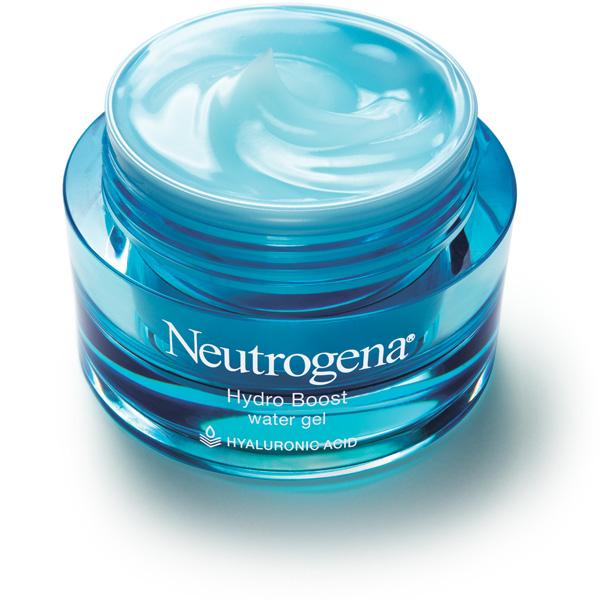
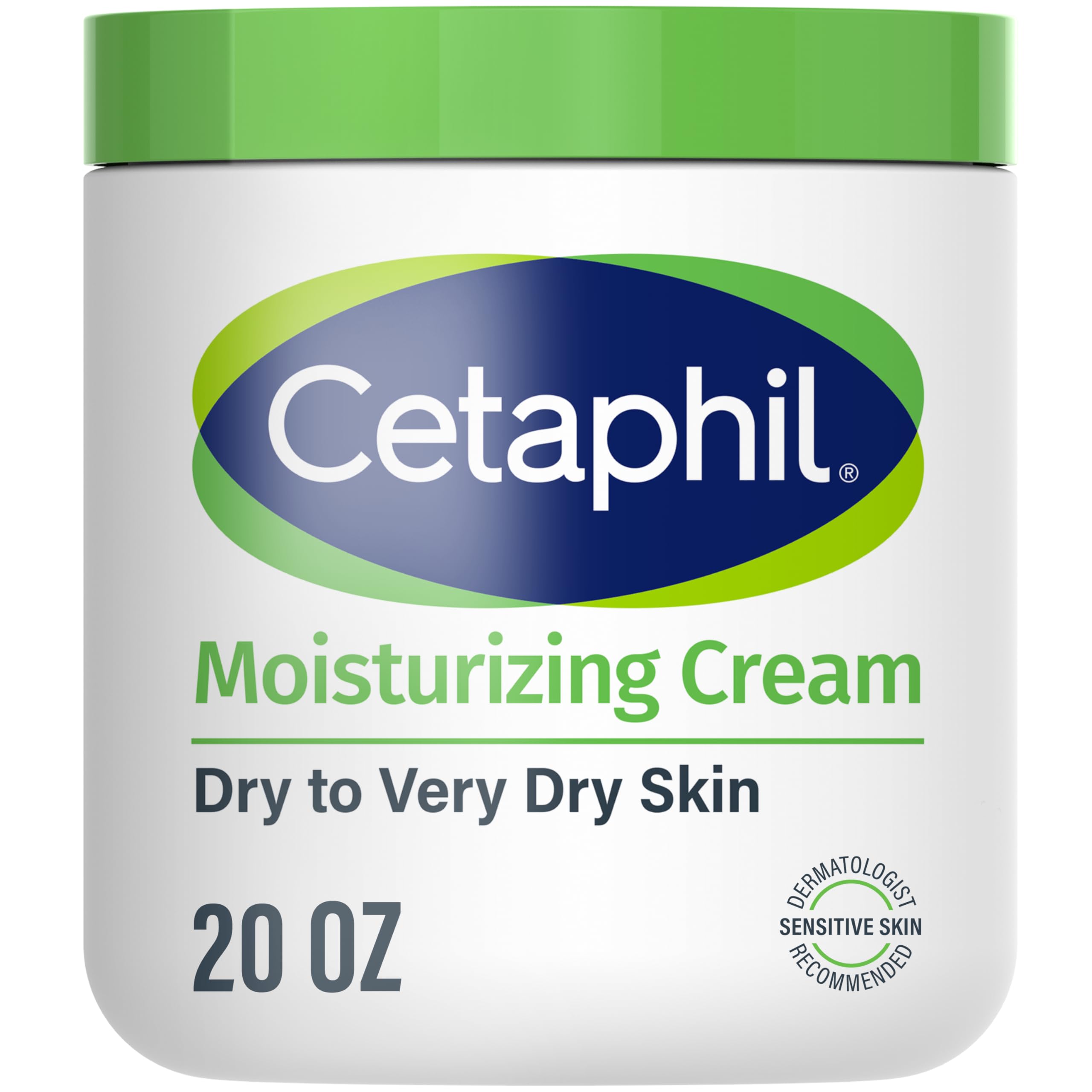
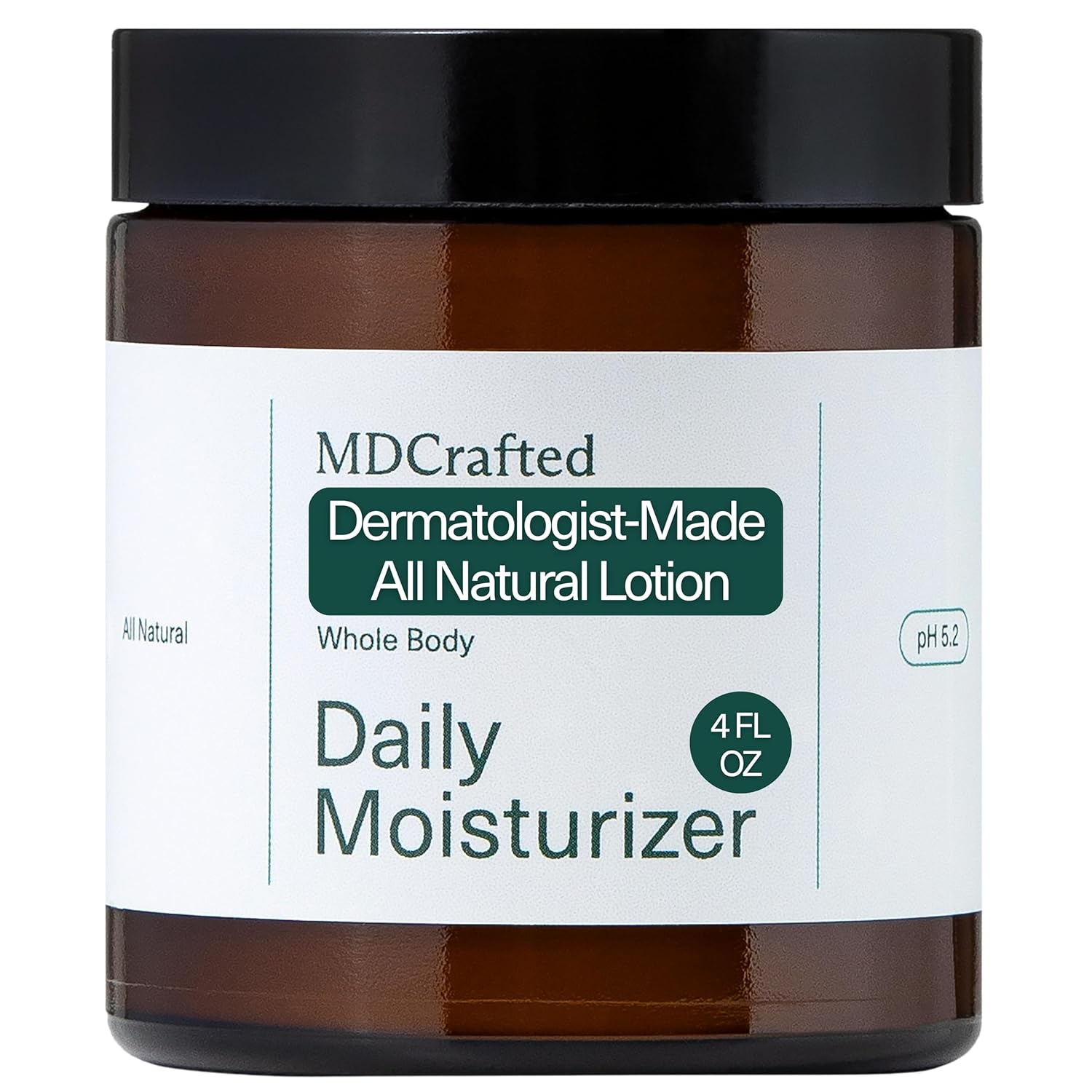
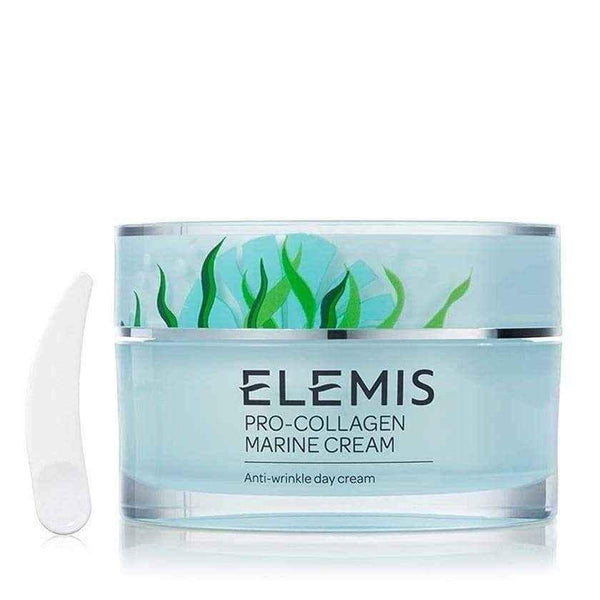
Products Containing Dimethicone
Evidence-based ingredient information. Not a substitute for individualized medical advice.