What is Lactobacillus Acidophilus?
Feeling off-balance? Lactobacillus Acidophilus, a friendly bacterium, is a well-known probiotic that can help restore harmony in your body, especially in your gut and other vital areas.
The Basics
Lactobacillus Acidophilus (often shortened to L. acidophilus) is a type of beneficial bacteria, specifically a lactic acid-producing bacterium, that naturally resides in your gut, mouth, and vagina. It's one of the most common and well-studied probiotic strains, meaning it's a 'good' microorganism that, when consumed in adequate amounts, provides a health benefit to the host. It works by converting sugars, particularly lactose, into lactic acid.
Key Benefits
Supports Digestive Health
Well-studied: L. acidophilus helps maintain a balanced gut microbiome, which is crucial for healthy digestion. It can be particularly effective in reducing the incidence and severity of antibiotic-associated diarrhea by replenishing beneficial bacteria that antibiotics may deplete. Some evidence also suggests it may help alleviate symptoms like bloating and gas in individuals with Irritable Bowel Syndrome (IBS), though individual results can vary.
Promotes Vaginal Health
Well-studied: This probiotic strain is a key player in maintaining a healthy vaginal environment. By producing lactic acid, L. acidophilus helps lower vaginal pH, creating an acidic environment that discourages the growth of harmful bacteria and yeasts, thereby helping to prevent bacterial vaginosis and yeast infections.
Aids Lactose Digestion
Well-studied: L. acidophilus produces the enzyme lactase, which helps break down lactose (the sugar found in milk and dairy products). For individuals with lactose intolerance, consuming L. acidophilus can help improve their ability to digest dairy and reduce associated discomfort like gas and bloating.
Supports Immune Function
Well-studied: A significant portion of your immune system resides in your gut. L. acidophilus interacts with the gut-associated lymphoid tissue, potentially enhancing the body's natural defenses and supporting overall immune health. This can lead to a more robust response to pathogens.
May Modestly Impact Cholesterol Levels
Limited evidence: Some studies suggest that L. acidophilus may have a modest effect on reducing total and LDL ('bad') cholesterol levels, possibly by interfering with cholesterol absorption or metabolism. However, more extensive and conclusive research is needed to firmly establish this benefit.
How It Works
Lactobacillus Acidophilus primarily works by producing lactic acid, which lowers the pH in its environment (like the gut or vagina). This acidic environment makes it difficult for many harmful bacteria and yeasts to thrive, effectively inhibiting their growth. It also competes with these undesirable microorganisms for nutrients and binding sites on the intestinal or vaginal lining. Furthermore, L. acidophilus can produce other antimicrobial substances and interact with immune cells in the gut, helping to modulate the body's immune response.
Effective Dose
For general gut health and maintenance, a daily dose ranging from 1 billion to 10 billion Colony Forming Units (CFUs) is often recommended. For specific conditions like antibiotic-associated diarrhea or vaginal health support, higher doses, sometimes up to 50 billion CFUs or more, may be used under the guidance of a healthcare professional. Always look for products that guarantee the CFU count at the time of expiration, not just at the time of manufacture, and follow the specific dosing instructions on the product label.
Who Benefits
- Individuals experiencing or recovering from antibiotic-associated diarrhea.
- Women prone to recurrent vaginal yeast infections or bacterial vaginosis.
- People with lactose intolerance looking to improve dairy digestion.
- Individuals seeking general support for digestive health and a balanced gut microbiome.
- Those looking to support their immune system through gut health.
Who Should Avoid
- Individuals with severely compromised immune systems (e.g., HIV/AIDS, organ transplant recipients, those undergoing chemotherapy) should consult a healthcare provider before use due to a very rare risk of systemic infection.
- People with a history of pancreatitis.
- Infants with short bowel syndrome.
- Anyone with a central venous catheter, as there's a theoretical risk of infection.
Common Side Effects
- Mild digestive upset, such as gas or bloating, especially when first starting supplementation. These symptoms are usually temporary and subside as your body adjusts.
- Very rarely, allergic reactions (e.g., rash, itching, swelling, dizziness, trouble breathing). Seek immediate medical attention if these occur.
- In extremely rare cases, particularly in severely immunocompromised individuals, systemic infections have been reported.
Works Well With
- Prebiotics (e.g., inulin, fructooligosaccharides (FOS)): These are non-digestible fibers that act as food for L. acidophilus and other beneficial bacteria, helping them thrive.
- Other probiotic strains: L. acidophilus is often found in multi-strain probiotic formulas, which can offer broader benefits by combining different strains that work synergistically.
- Fiber-rich diet: A diet rich in dietary fiber provides a healthy environment for beneficial gut bacteria.
- Hydration: Adequate water intake supports overall digestive health.
Avoid Combining With
- Antibiotics: While L. acidophilus can help mitigate antibiotic side effects, it's best to take your probiotic at least 2-3 hours apart from your antibiotic dose. This helps prevent the antibiotic from killing the beneficial bacteria in the supplement.
- Immunosuppressants: If you are taking medications that suppress your immune system, consult your doctor before taking L. acidophilus due to the rare risk of infection.
People Also Ask
Can I take Lactobacillus Acidophilus every day?
Yes, for most healthy individuals, taking Lactobacillus Acidophilus daily is generally considered safe and can be beneficial for maintaining gut and overall health. Consistency is key for probiotics to exert their effects.
Is Lactobacillus Acidophilus safe during pregnancy?
Lactobacillus Acidophilus is generally considered safe during pregnancy and breastfeeding. In fact, some studies suggest potential benefits for both mother and baby. However, it's always best to consult your doctor or pharmacist before starting any new supplement during pregnancy.
How long does it take for Lactobacillus Acidophilus to work?
The time it takes to notice effects can vary. For acute issues like antibiotic-associated diarrhea, benefits might be seen within a few days. For general gut health or chronic conditions, it may take several weeks of consistent use to observe significant changes. Individual results depend on your specific health condition and the product's potency.
What's the best time to take Lactobacillus Acidophilus?
While opinions vary, many experts suggest taking L. acidophilus with a meal or shortly before to help buffer stomach acid, which can improve the survival of the bacteria as they pass through the digestive tract. Some formulations are designed to be taken on an empty stomach, so always follow the product's specific instructions.
Does Lactobacillus Acidophilus help with weight loss?
While a healthy gut microbiome is linked to overall metabolic health, there is currently no strong, consistent evidence to suggest that Lactobacillus Acidophilus alone directly causes significant weight loss. Weight management is complex and involves diet, exercise, and other lifestyle factors. Any claims linking L. acidophilus directly to weight loss should be viewed with skepticism.
Bottom Line
Lactobacillus Acidophilus is a well-researched and generally safe probiotic strain with established benefits for digestive health, particularly in managing antibiotic-associated diarrhea and supporting lactose digestion. It also plays a crucial role in maintaining vaginal health and contributes to overall immune function. While generally well-tolerated, individuals with compromised immune systems should consult a healthcare professional. For most healthy adults, incorporating L. acidophilus can be a valuable part of a balanced health regimen.
References
- 1.FDA Drug Label — Microflora Drops 2045
FDA DailyMed: Microflora Drops 2045 · FDA
- 2.The Gut Microbiome and Female Health.
Siddiqui R, Makhlouf Z, Alharbi AM, et al., Biology, 2022 · PubMed
- 3.Candidiasis (vulvovaginal).
Martin Lopez JE, BMJ clinical evidence, 2015 · PubMed
- 4.Probiotics, prebiotics, and synbiotics.
de Vrese M, Schrezenmeir J, Advances in biochemical engineering/biotechnology, 2008 · PubMed
- 5.Lactobacillus species: taxonomic complexity and controversial susceptibilities.
Goldstein EJ, Tyrrell KL, Citron DM, Clinical infectious diseases : an official publication of the Infectious Diseases Society of America, 2015 · PubMed
- 6.Probiotic significance of Lactobacillus strains: a comprehensive review on health impacts, research gaps, and future prospects.
Shah AB, Baiseitova A, Zahoor M, et al., Gut microbes, 2024 · PubMed
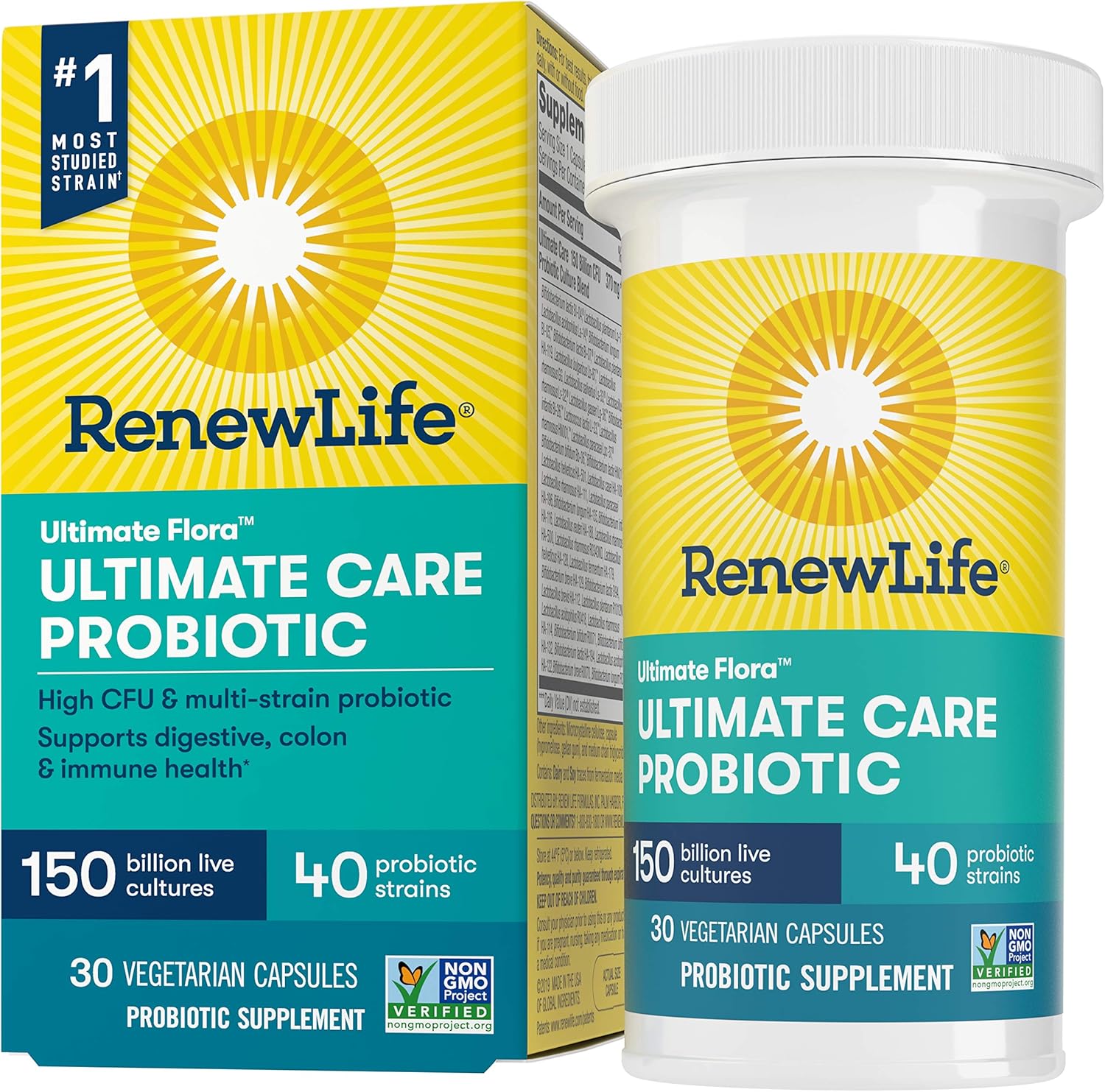
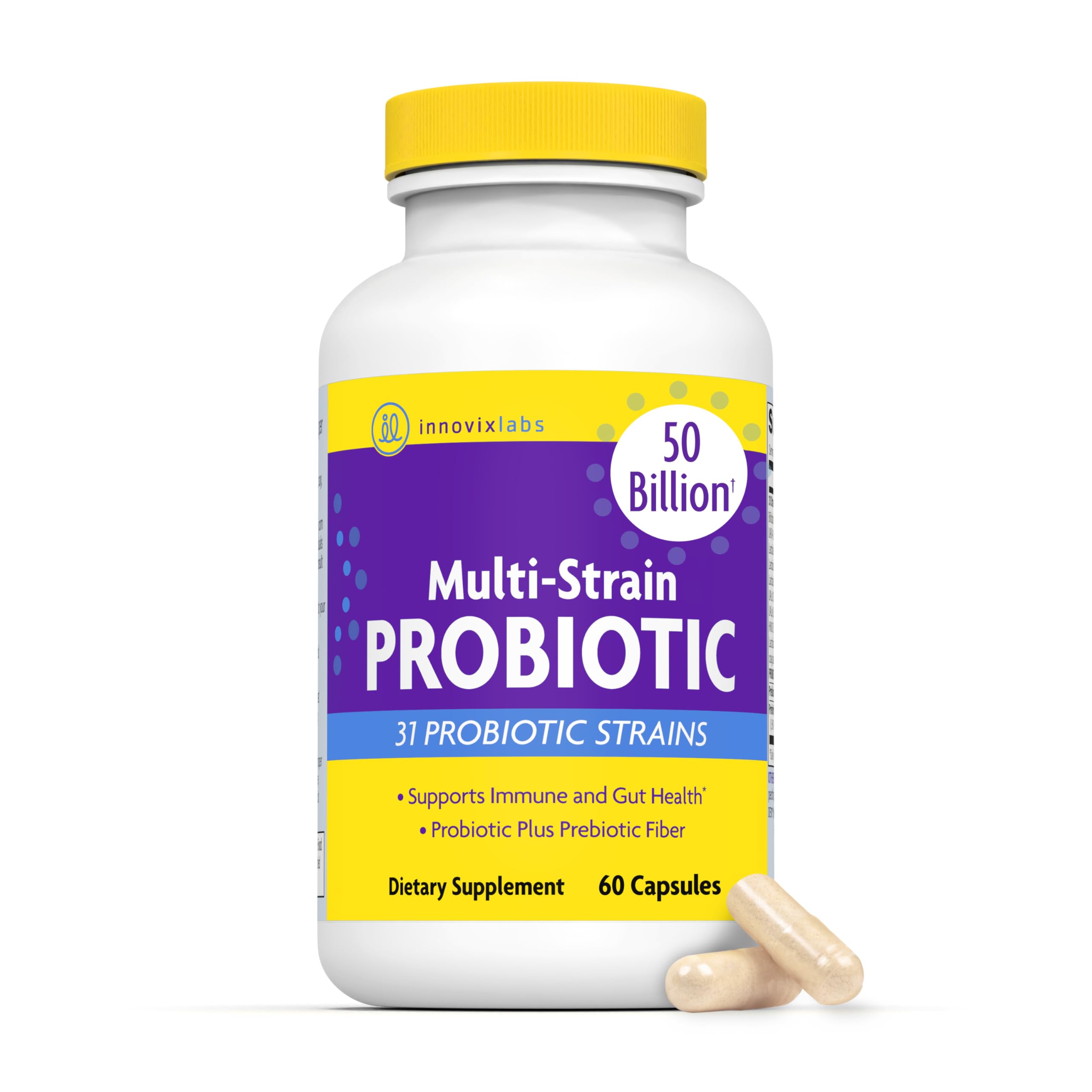
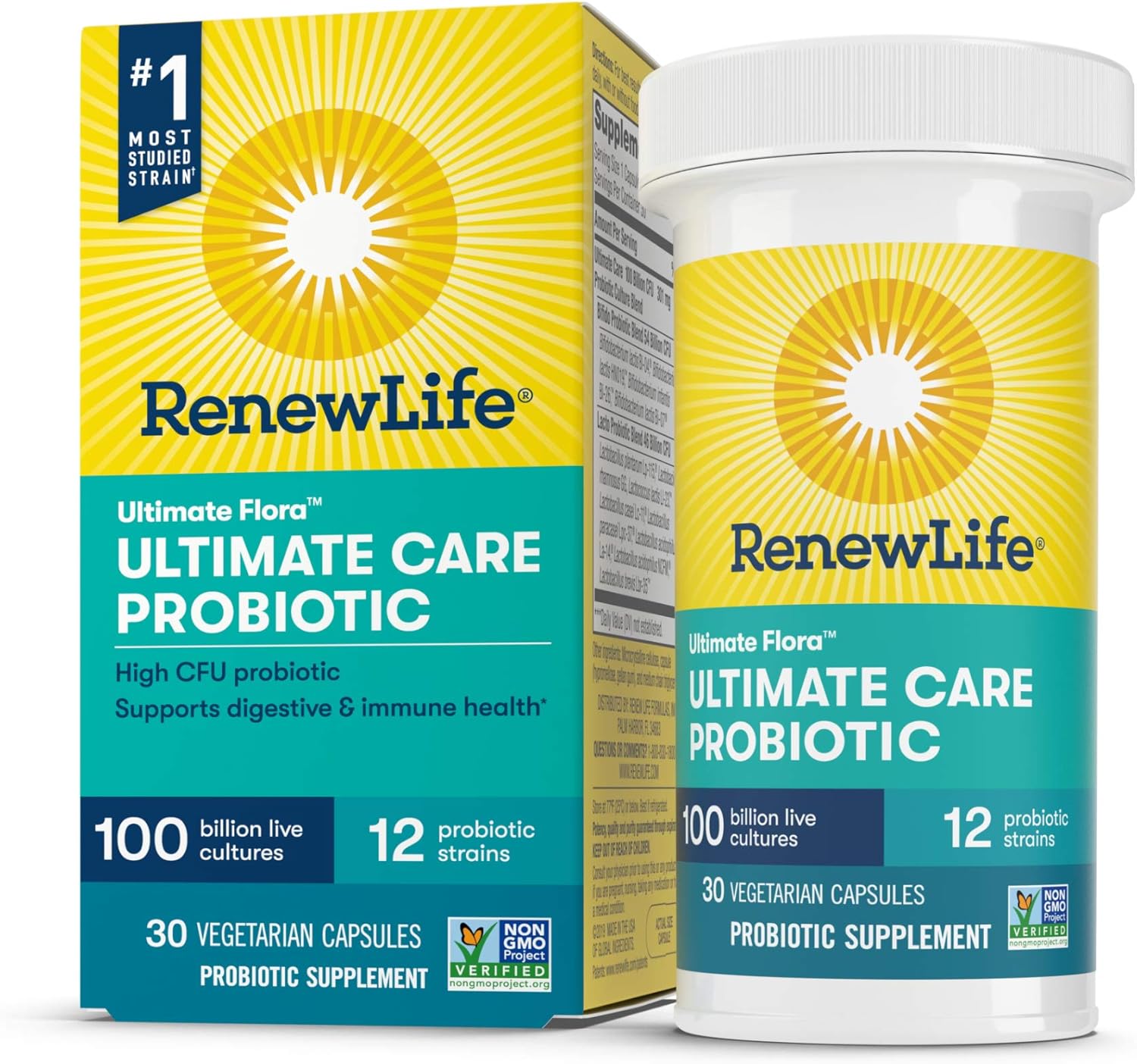
Products Containing Lactobacillus Acidophilus


Evidence-based ingredient information. Not a substitute for individualized medical advice.