What is Retinol?
Retinol is one of the most widely recognized and extensively studied ingredients in skincare, lauded for its ability to address multiple skin concerns from aging to acne.
The Basics
Retinol is a derivative of Vitamin A, belonging to a family of compounds called retinoids. When applied to the skin, retinol is converted into retinoic acid, the biologically active form of Vitamin A that interacts directly with skin cells. Unlike prescription-strength retinoic acid (tretinoin), retinol undergoes a two-step conversion process (retinol to retinaldehyde, then retinaldehyde to retinoic acid), making it gentler and slower-acting but still highly effective. It's an antioxidant that helps protect the skin from environmental damage.
Key Benefits
Reduces the appearance of fine lines and wrinkles
Well-studied. Retinol stimulates collagen production, a key protein responsible for skin's firmness and elasticity. By boosting collagen synthesis, it helps to plump the skin and smooth out existing lines over time.
Improves skin texture and tone
Well-studied. Retinol accelerates skin cell turnover, meaning it encourages the shedding of old, dead skin cells and the rise of new, healthier cells to the surface. This process leads to a smoother, more refined skin texture and a more even skin tone.
Fades hyperpigmentation and dark spots
Well-studied. By increasing cell turnover, retinol helps to shed skin cells containing excess melanin, thereby reducing the appearance of sun spots, age spots, and post-inflammatory hyperpigmentation (dark spots left after acne or injury).
Helps manage acne
Well-studied. Retinol helps to unclog pores by promoting normal cell shedding, preventing the buildup of dead skin cells that can lead to blackheads, whiteheads, and inflammatory acne lesions. It also has anti-inflammatory properties.
How It Works
Once applied to the skin, retinol is metabolized into retinoic acid. Retinoic acid then binds to specific receptors within skin cells, influencing gene expression. This interaction signals the skin to increase collagen production, accelerate cell turnover, and reduce the activity of enzymes that break down collagen. The result is a cascade of beneficial effects, including thicker epidermis, improved skin elasticity, and a reduction in hyperpigmentation.
Effective Dose
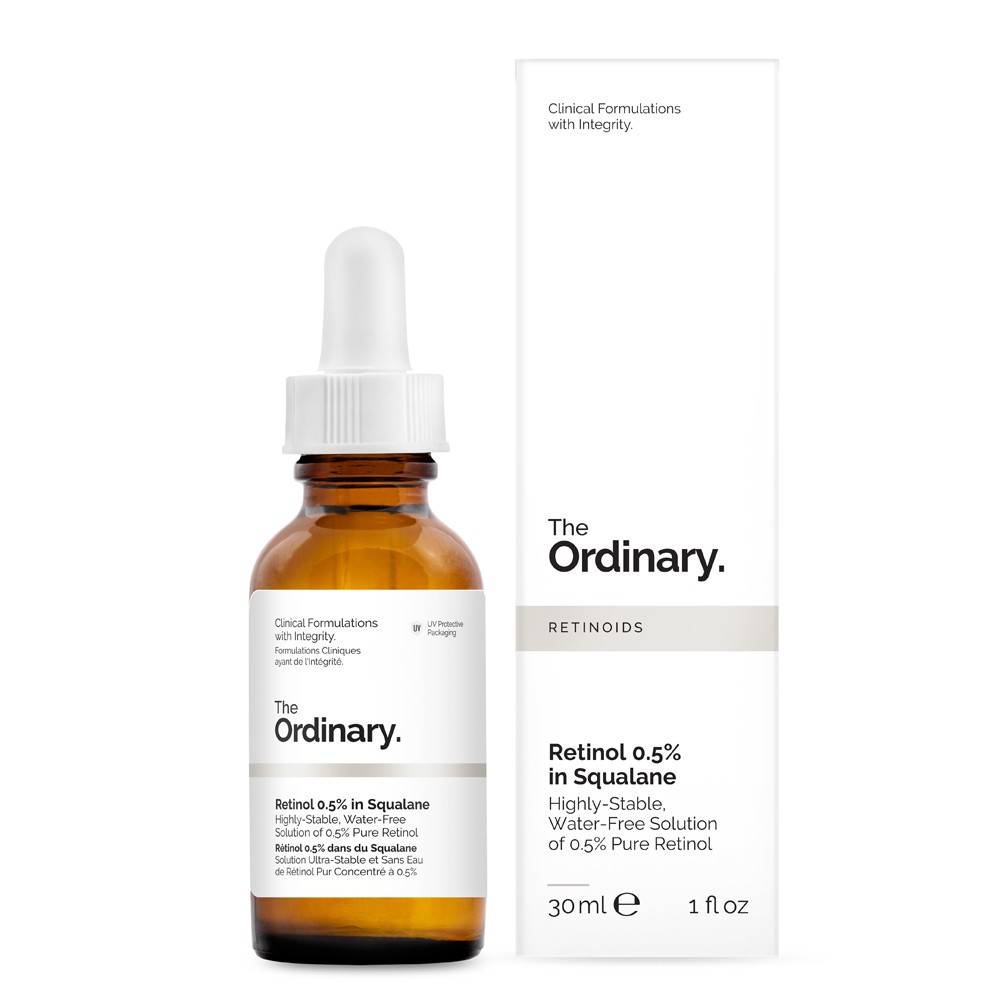
For beginners, start with lower concentrations (0.1% to 0.3%) to allow your skin to adjust. As your skin builds tolerance, you can gradually increase to higher concentrations (0.5% to 1%). Always look for products that specify the exact percentage of retinol.
Who Benefits
- Individuals concerned with visible signs of aging, such as fine lines, wrinkles, and loss of firmness.
- Those looking to improve overall skin texture and achieve a more even skin tone.
- People experiencing mild to moderate acne or frequent breakouts.
- Individuals with hyperpigmentation, including sun spots, age spots, or post-inflammatory hyperpigmentation.
Who Should Avoid
- Pregnant or breastfeeding individuals (due to potential risks to fetal development).
- Individuals with extremely sensitive skin, rosacea flares, or active eczema, especially without prior consultation with a dermatologist.
- Anyone with a compromised skin barrier (e.g., after a harsh peel or sunburn) should wait until the skin has fully healed.
- Individuals undergoing certain medical treatments or taking medications that may interact with retinoids (consult a healthcare provider).
Common Side Effects
- Redness and irritation (especially during initial use, known as 'retinization').
- Dryness and flaking/peeling skin.
- Increased sun sensitivity (always use broad-spectrum SPF daily).
- Mild stinging or burning sensation upon application.
- Purging (a temporary increase in breakouts as skin cell turnover accelerates).
Works Well With
- Hydrating ingredients like hyaluronic acid and ceramides (to counteract dryness).
- Gentle, non-foaming cleansers and moisturizers.
- Broad-spectrum sunscreen with SPF 30 or higher (essential for daily use).
- Niacinamide (can help minimize irritation and improve skin barrier function).
- Peptides (for additional anti-aging benefits).
Avoid Combining With
- Other strong exfoliating acids (e.g., high concentrations of AHAs like glycolic acid, BHAs like salicylic acid) in the same application, especially when first starting retinol, to prevent excessive irritation.
- Physical exfoliants or harsh scrubs, which can exacerbate irritation.
- Benzoyl peroxide (can deactivate retinol, though some newer formulations are stable; best to use at different times of day if using both).
- Vitamin C (L-ascorbic acid) if your skin is sensitive, as both are potent actives. Consider using Vitamin C in the morning and retinol at night.
People Also Ask
Can I use retinol every day?
When first starting, it's recommended to begin with 2-3 times per week and gradually increase frequency as your skin tolerates it. Many people can eventually use it nightly, but listening to your skin and avoiding excessive irritation is key. If you experience persistent redness or peeling, reduce frequency.
Is retinol safe during pregnancy?
No, retinol and other retinoids are generally not considered safe for use during pregnancy or while breastfeeding due to potential risks to fetal development. Always consult your doctor or pharmacist if you are pregnant, breastfeeding, or planning to become pregnant.
How long does it take to see results from retinol?
Patience is crucial with retinol. While some improvements in texture might be noticeable within a few weeks, significant results for fine lines, wrinkles, and hyperpigmentation typically take 3 to 6 months of consistent use. Full benefits can take up to a year.
What's the difference between retinol and retinoids?
Retinoids is an umbrella term for all Vitamin A derivatives. Retinol is one specific type of retinoid. Other common retinoids include retinaldehyde (stronger than retinol), retinoic acid (prescription-strength, like tretinoin, the most potent form), and retinyl palmitate (milder than retinol).
Do I need a prescription for retinol?
No, retinol is available over-the-counter in various concentrations. Stronger retinoids like tretinoin (retinoic acid) require a prescription from a healthcare provider. Over-the-counter retinol can still be very effective with consistent use.
Bottom Line
Retinol is a highly effective, evidence-based ingredient that can significantly improve skin health and appearance when used correctly and consistently. Its ability to boost collagen, accelerate cell turnover, and address concerns like aging and acne makes it a staple in many skincare routines. Start slow, be patient, prioritize sun protection, and always listen to your skin to minimize potential irritation.
References
- 1.FDA Drug Label — Dove
FDA DailyMed: Dove · FDA
- 2.Human Skin Aging and the Anti-Aging Properties of Retinol.
Quan T, Biomolecules, 2023 · PubMed
- 3.Antioxidant vitamins supplementation reduce endometriosis related pelvic pain in humans: a systematic review and meta-analysis.
Zheng SH, Chen XX, Chen Y, et al., Reproductive biology and endocrinology : RB&E, 2023 · PubMed
- 4.A systematic review and meta-analysis of the effects of pasteurization on milk vitamins, and evidence for raw milk consumption and other health-related outcomes.
Macdonald LE, Brett J, Kelton D, et al., Journal of food protection, 2011 · PubMed
- 5.Retinol palmitate and ascorbic acid: Role in oncological prevention and therapy.
de Carvalho Melo-Cavalcante AA, da Rocha Sousa L, Alencar MVOB, et al., Biomedicine & pharmacotherapy = Biomedecine & pharmacotherapie, 2019 · PubMed
- 6.The importance of vitamin A in nutrition.
Dawson MI, Current pharmaceutical design, 2000 · PubMed
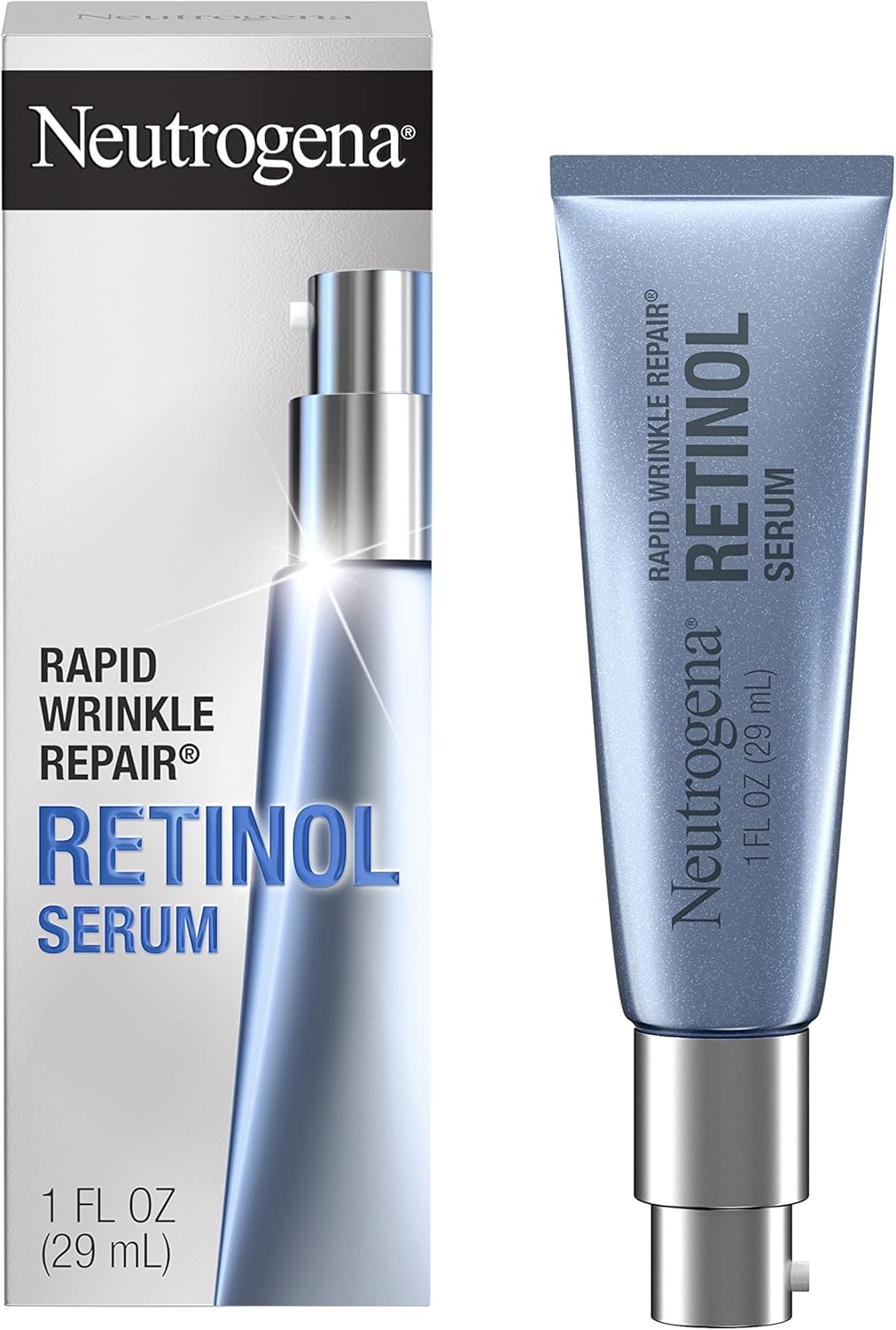
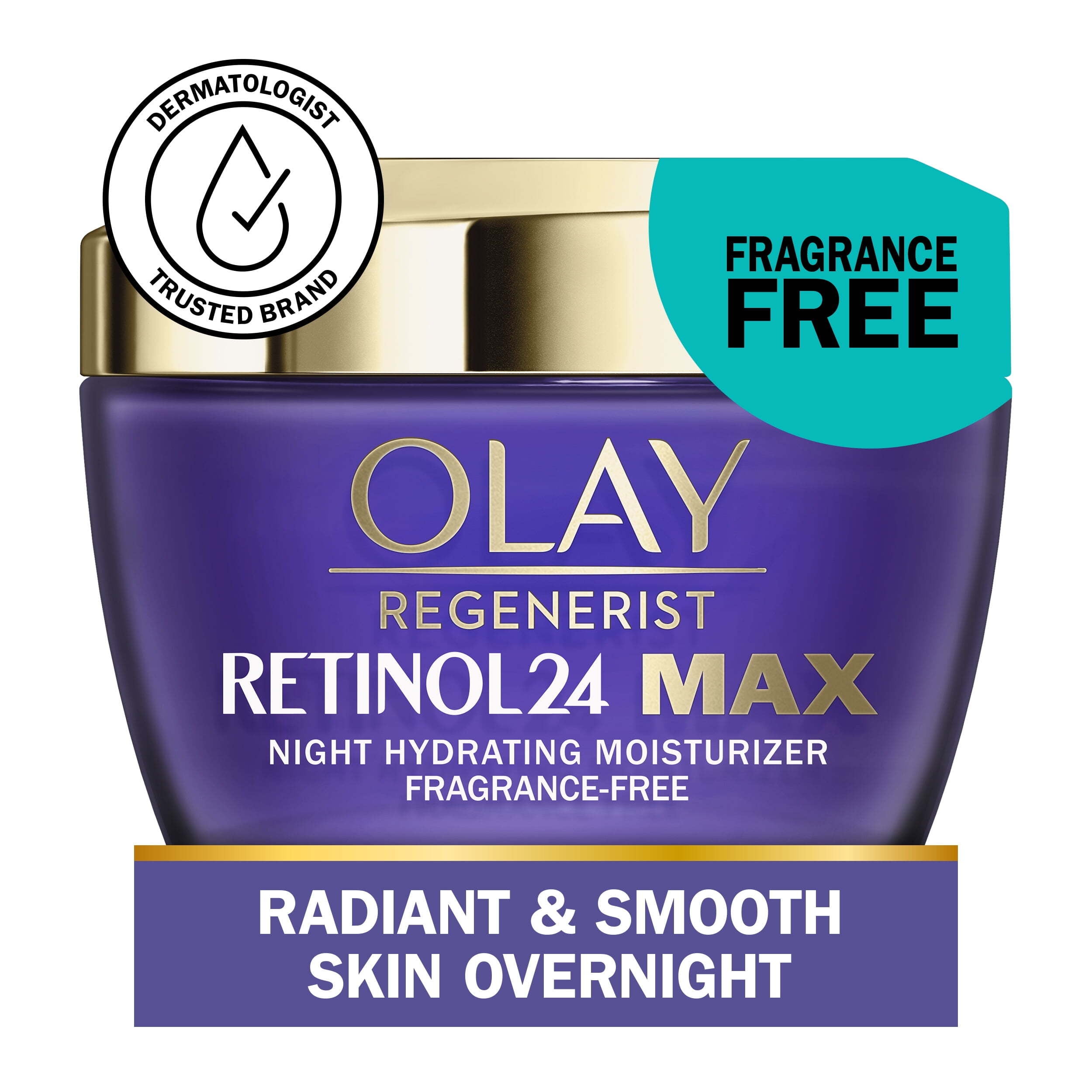
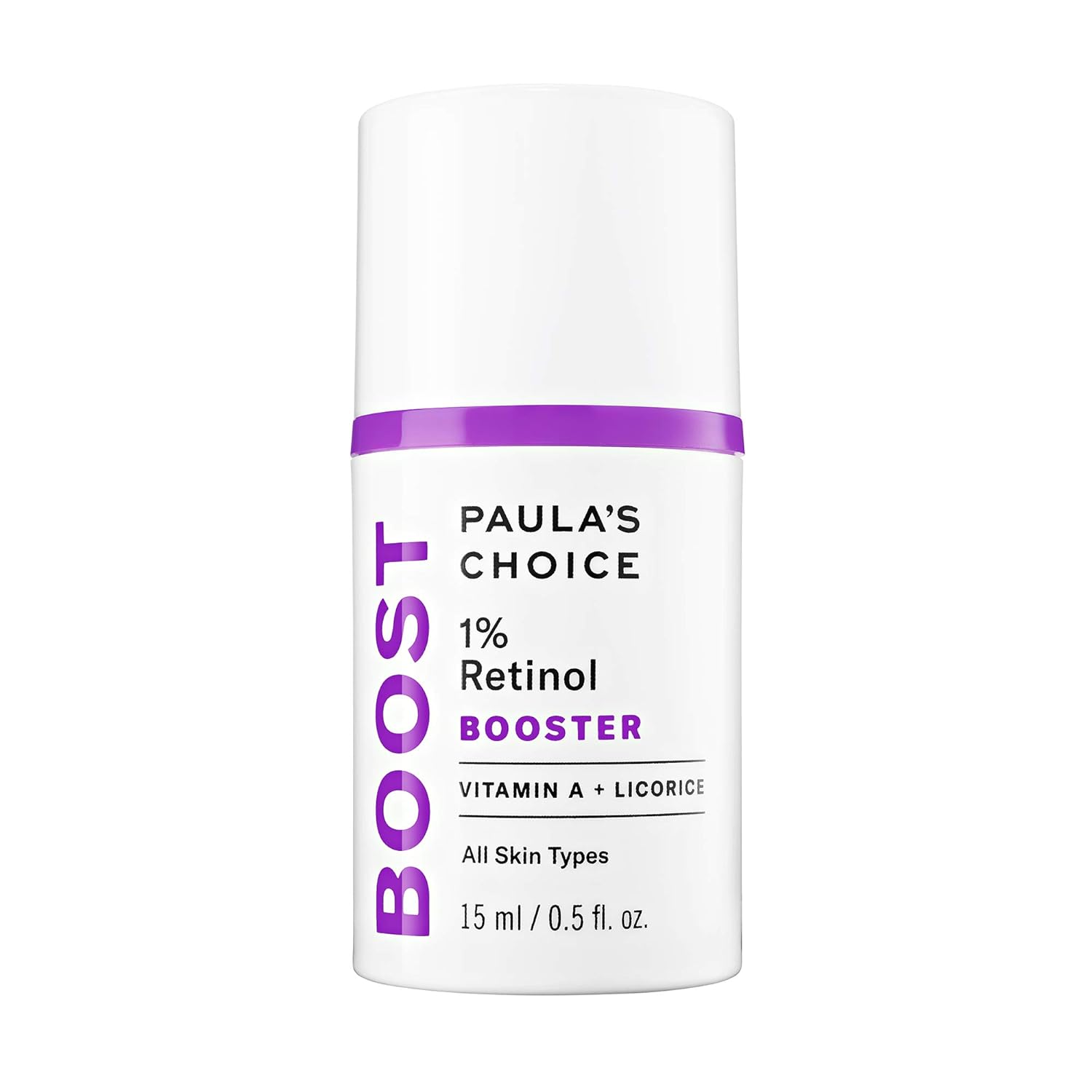
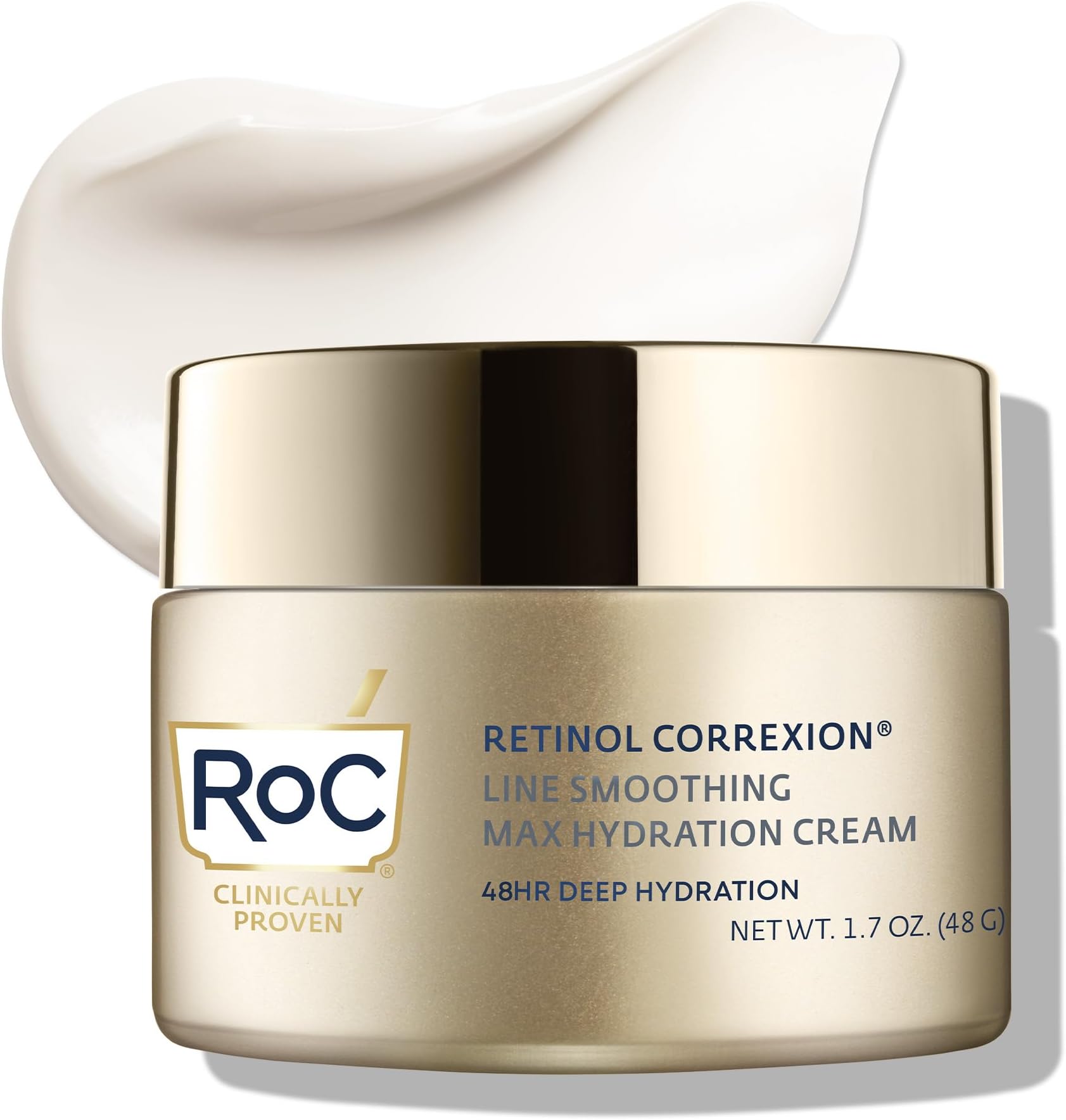
Products Containing Retinol
Evidence-based ingredient information. Not a substitute for individualized medical advice.