Paula's Choice 1% Retinol Booster vs The Ordinary Retinol 0.5%
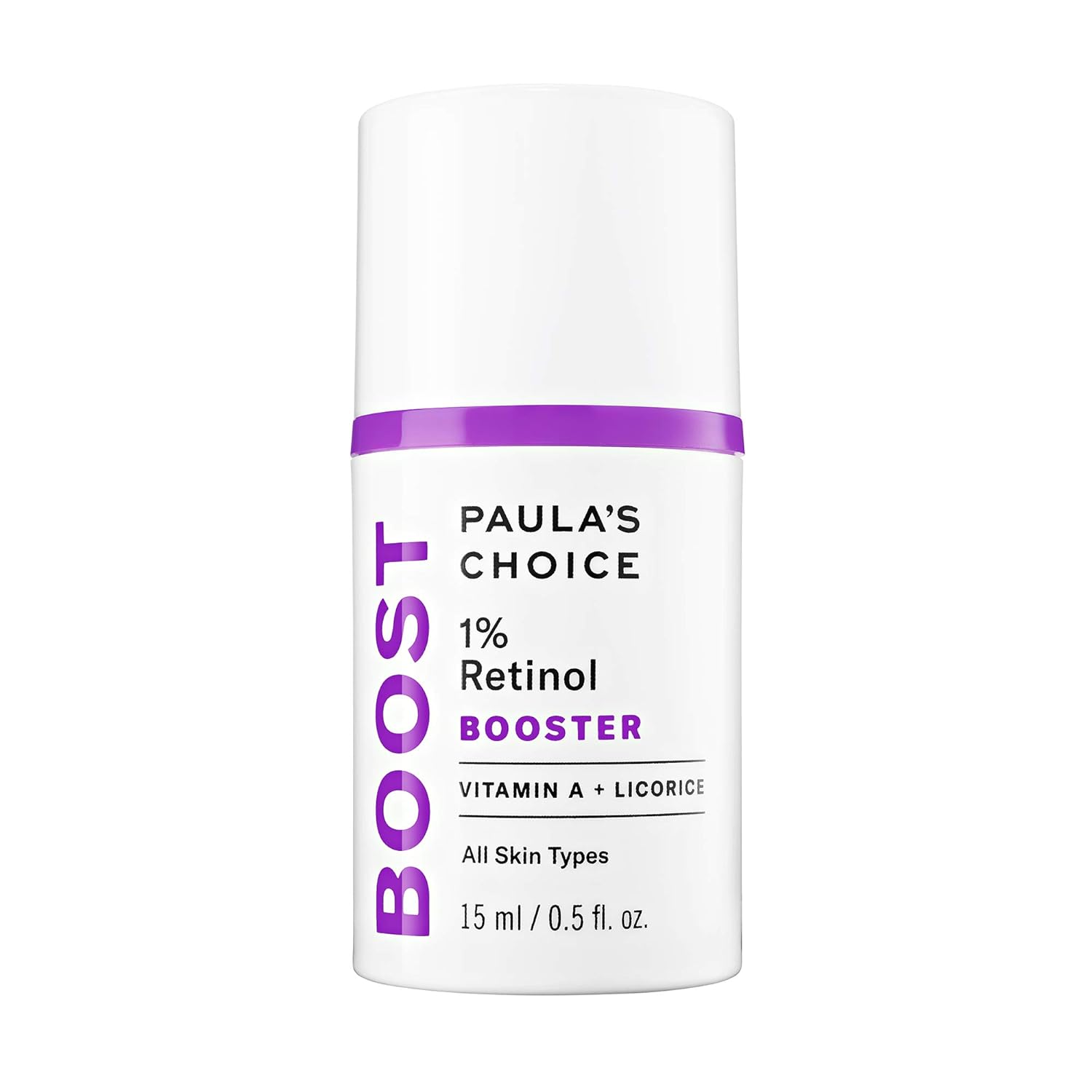
Paula's Choice 1% Retinol Booster
cosmetic
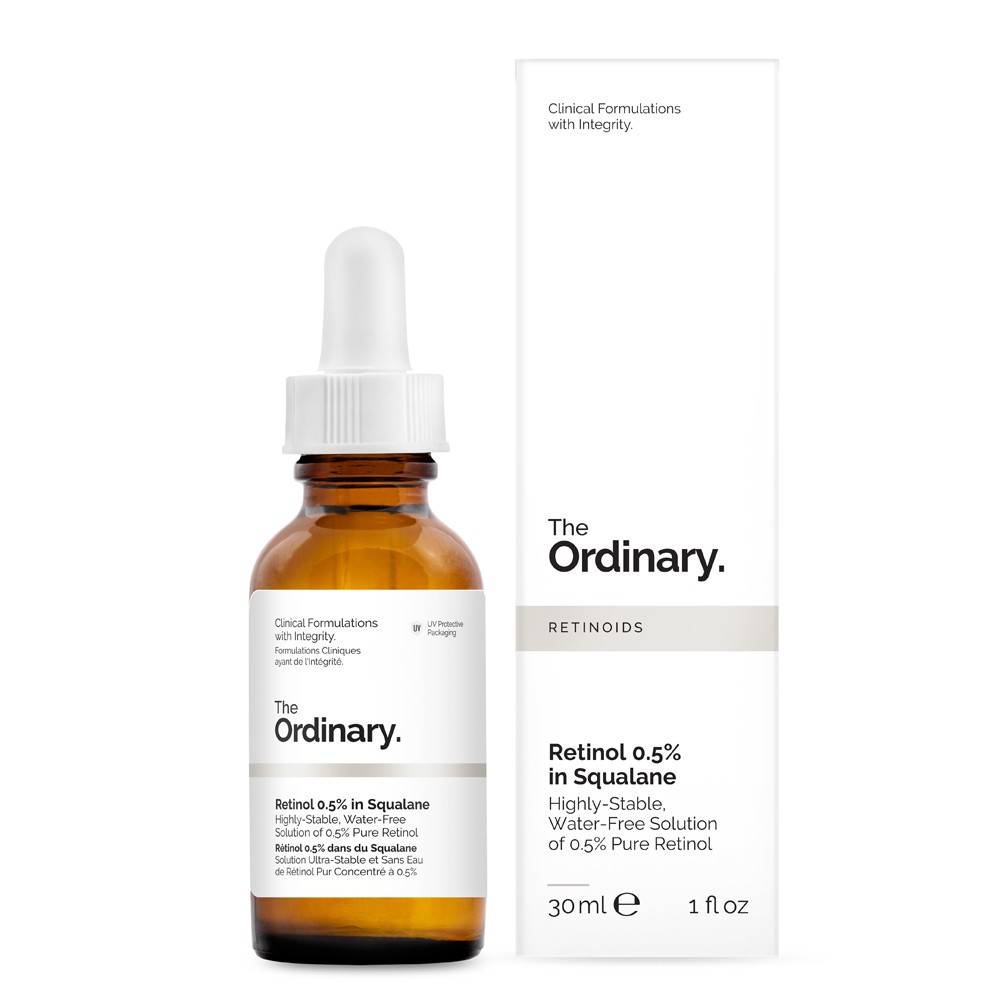
The Ordinary Retinol 0.5%
cosmetic
Paula's Choice 1% Retinol Booster and The Ordinary Retinol 0.5% both offer effective anti-aging benefits, but the better choice depends on your skin's tolerance and experience with retinol. For those new to or stepping up their retinol game, The Ordinary provides an accessible entry point. However, experienced users seeking maximum potency will find Paula's Choice delivers more intensive results.
Winner by Use Case
| Use Case | Winner | Why |
|---|---|---|
| Maximum Anti-Aging Efficacy | Paula's Choice 1% Retinol Booster | Paula's Choice contains a higher 1% retinol concentration, making it more potent for targeting significant signs of aging. |
| Value and Affordability | The Ordinary Retinol 0.5% | The Ordinary is described as 'extremely budget-friendly,' making a powerful ingredient accessible at a lower cost. |
| Stepping Up Retinol Strength | The Ordinary Retinol 0.5% | The Ordinary's 0.5% concentration is an effective mid-strength option for those ready to advance from a beginner retinol. |
| Customizable Application | Paula's Choice 1% Retinol Booster | Paula's Choice comes in a 'booster format' allowing it to be mixed with moisturizer, customizing its strength and application. |
Side-by-Side Comparison
| Dimension | Paula's Choice 1% Retinol Booster | The Ordinary Retinol 0.5% |
|---|---|---|
| Retinol Concentration | 1% Retinol | 0.5% Retinol |
| Price/Value | Relatively expensive for the amount. | Extremely budget-friendly. |
| Irritation Potential | High potential for irritation, not suitable for first-time users. | High potential for irritation, especially for first-time users, but lower strength than A. |
| Application Method | Booster format, can be mixed with moisturizer. | Serum in Squalane base. |
| Target User | Experienced retinol users wanting to target significant signs of aging. | People ready to step up from a beginner retinol to tackle fine lines. |
Paula's Choice 1% Retinol Booster
Pros
- High-strength 1% retinol is very effective for reducing wrinkles and improving skin texture.
- Booster format allows you to mix it with your favorite moisturizer, customizing its strength.
- Contains soothing ingredients like oat and licorice extract to help calm potential irritation.
- Fragrance-free and contains multiple antioxidants for added skin benefits.
Cons
- High potential for irritation, including redness, dryness, and peeling, especially when starting.
- Increases sun sensitivity, making daily use of a broad-spectrum sunscreen essential.
- Relatively expensive for the amount of product you receive.
- Not suitable for first-time retinol users or pregnant individuals.
The Ordinary Retinol 0.5%
Pros
- Effective mid-strength concentration (0.5%) for visible anti-aging results.
- Extremely budget-friendly, making a powerful ingredient accessible to everyone.
- Simple formula with squalane helps moisturize and reduce potential dryness.
- Improves the appearance of fine lines, wrinkles, and skin texture with consistent use.
Cons
- High potential for irritation, including redness, peeling, and dryness, especially for first-time users.
- Should not be used during pregnancy or while breastfeeding.
- Must be used with daily sunscreen as it increases sun sensitivity.
- The squalane base may feel too oily for those with very oily skin types.
Bottom Line
For those with significant signs of aging and a proven tolerance for potent retinoids, Paula's Choice 1% Retinol Booster offers superior strength and customizable application. If you are looking to step up from a milder retinol, prioritize affordability, or prefer a mid-strength option to address fine lines, The Ordinary Retinol 0.5% is an excellent and accessible choice. Ultimately, choose Paula's Choice for maximum impact and customization, or The Ordinary for effective results on a budget.
References
- 1.FDA Drug Label — Dove
FDA DailyMed: Dove · FDA
- 2.Human Skin Aging and the Anti-Aging Properties of Retinol.
Quan T, Biomolecules, 2023 · PubMed
- 3.Antioxidant vitamins supplementation reduce endometriosis related pelvic pain in humans: a systematic review and meta-analysis.
Zheng SH, Chen XX, Chen Y, et al., Reproductive biology and endocrinology : RB&E, 2023 · PubMed
- 4.A systematic review and meta-analysis of the effects of pasteurization on milk vitamins, and evidence for raw milk consumption and other health-related outcomes.
Macdonald LE, Brett J, Kelton D, et al., Journal of food protection, 2011 · PubMed
- 5.Retinol palmitate and ascorbic acid: Role in oncological prevention and therapy.
de Carvalho Melo-Cavalcante AA, da Rocha Sousa L, Alencar MVOB, et al., Biomedicine & pharmacotherapy = Biomedecine & pharmacotherapie, 2019 · PubMed
- 6.The importance of vitamin A in nutrition.
Dawson MI, Current pharmaceutical design, 2000 · PubMed