What to Know About Magnesium Supplements
The 1-Minute Read
low confidenceWhy It Matters Right Now
MICROBIAL CONTAMINATION OF NON-STERILE PRODUCTS - Presence of Acetobacter nitrogenifigens bacteria. — Pharma Nobis LLC
FDA detailsMICROBIAL CONTAMINATION OF NON-STERILE PRODUCTS - Presence of Acetobacter nitrogenifigens bacteria. — Pharma Nobis LLC
FDA detailsProduct mix up: a foil pouch labeled "Magnesium Sulfate in Water for Injection, 4 g/100 mL" actually contained an IV bag of Tranexamic Acid instead. — Amneal Pharmaceuticals, LLC
FDA detailsFailed Impurities/Degradation Specifications: Out-of-Specification test results obtained for any individual unknown degradation product during Related Compounds testing during long term stability. — Zydus Pharmaceuticals (USA) Inc
FDA detailsLabeling: Not Elsewhere Classified - Wrong NDC number — Zydus Pharmaceuticals (USA) Inc
FDA detailsRecent Research (last 30 days)
- The association between serum trace elements and iron deficiency anemia in children and adolescents: a systematic review and meta-analysis.Hematology (Amsterdam, Netherlands) · Apr 1, 2026
- A comparative study on demographics and blood biomarkers associated with chronic kidney disease in hypertensive and non-hypertensive individuals.Renal failure · Apr 15, 2026
- Revolutionizing Mg-based guided bone regeneration mesh derived from endogenous dentoalveolar bone augmentation.Bioactive materials · Apr 11, 2026
Key Takeaways
- Magnesium is a critical mineral for nerve, muscle, and bone health.
- Different forms like citrate, glycinate, and oxide have different primary uses.
- The most common side effect of taking too much magnesium is diarrhea.
- Individuals with kidney problems should consult a doctor before using. [2]
- Always talk to a pharmacist to find the right type and dose for you.
Recommended Products
Top pharmacist-reviewed picks mentioned in this article.

Ingredients at a Glance
Top actives per product + what overlaps
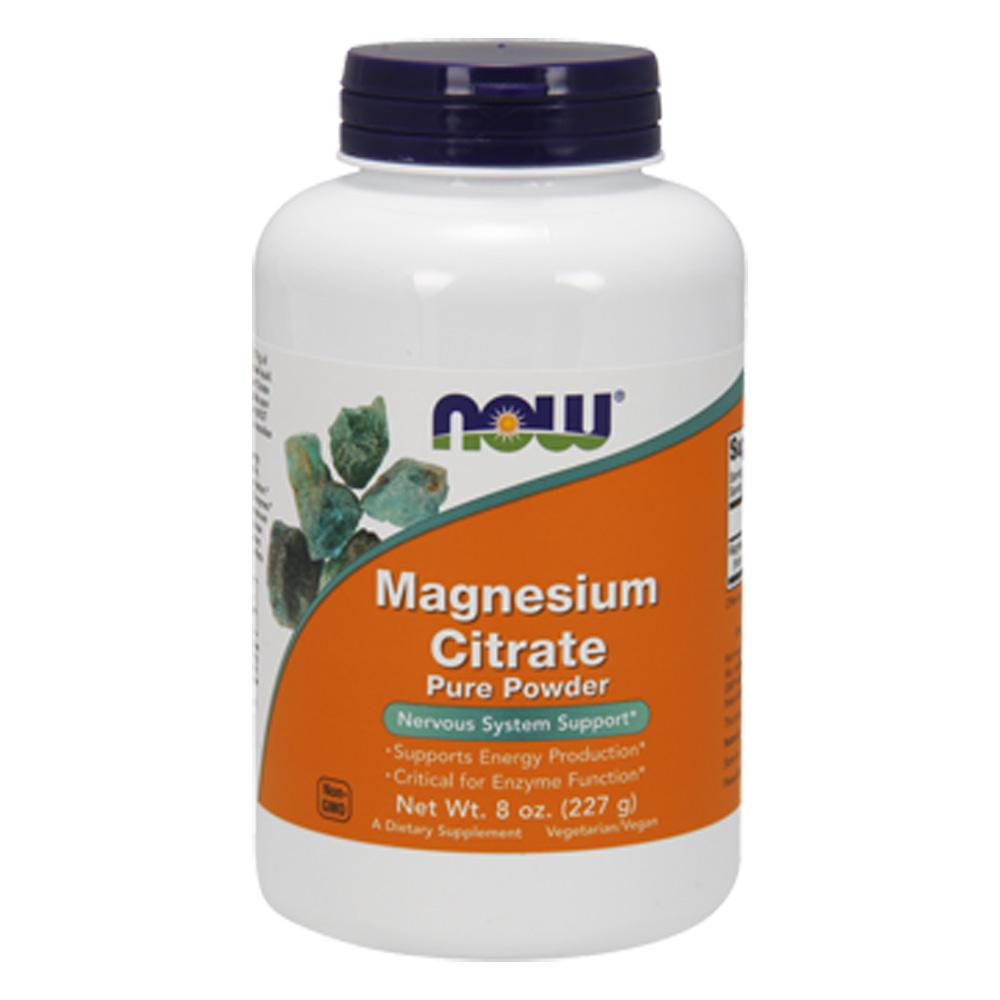
NOW Foods Magnesium Citrate
- Magnesium (from Magnesium Citrate)
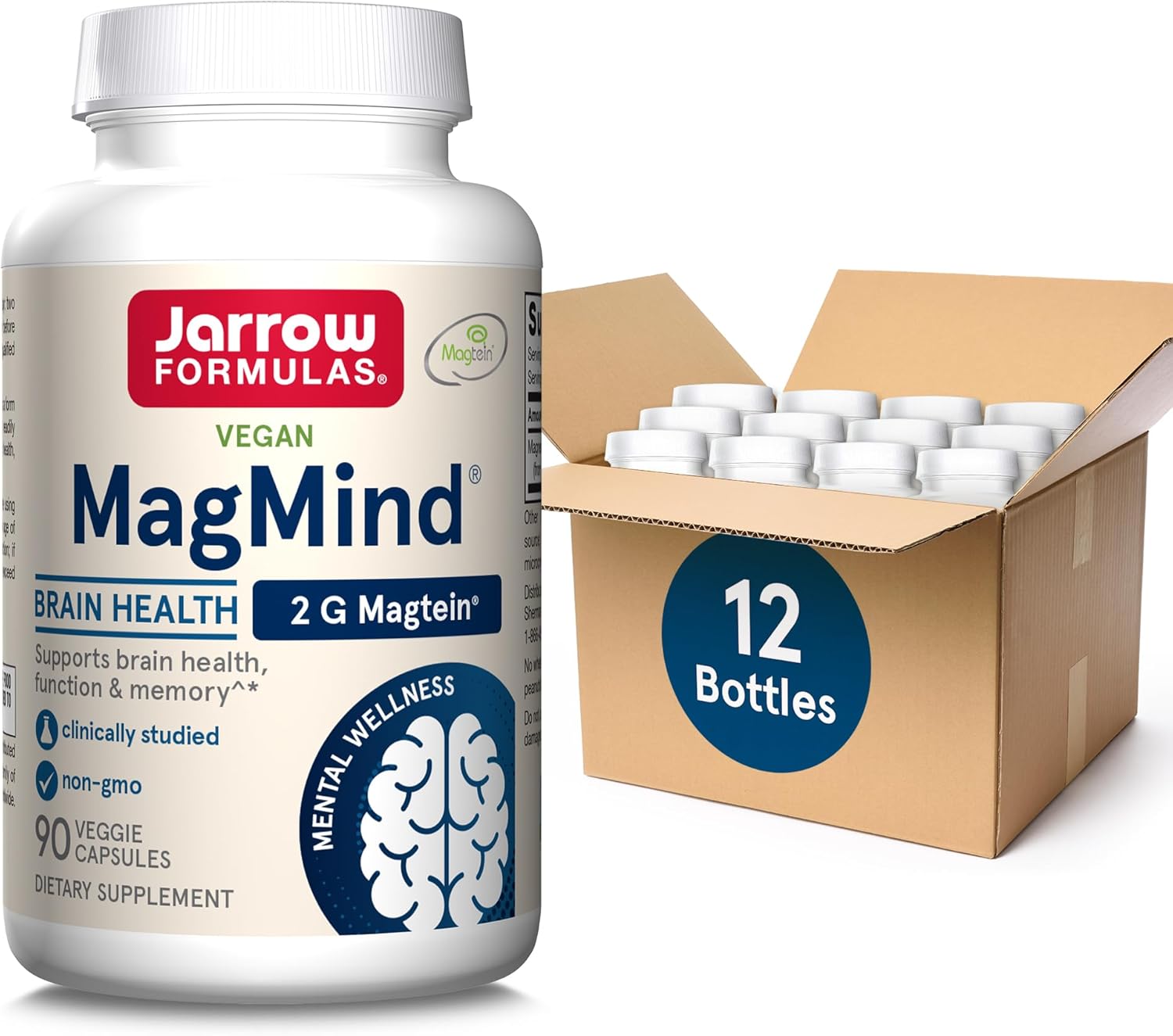
Jarrow Formulas MagMind Magnesium L-Threonate
- Magnesium L-Threonate (as Magtein®)
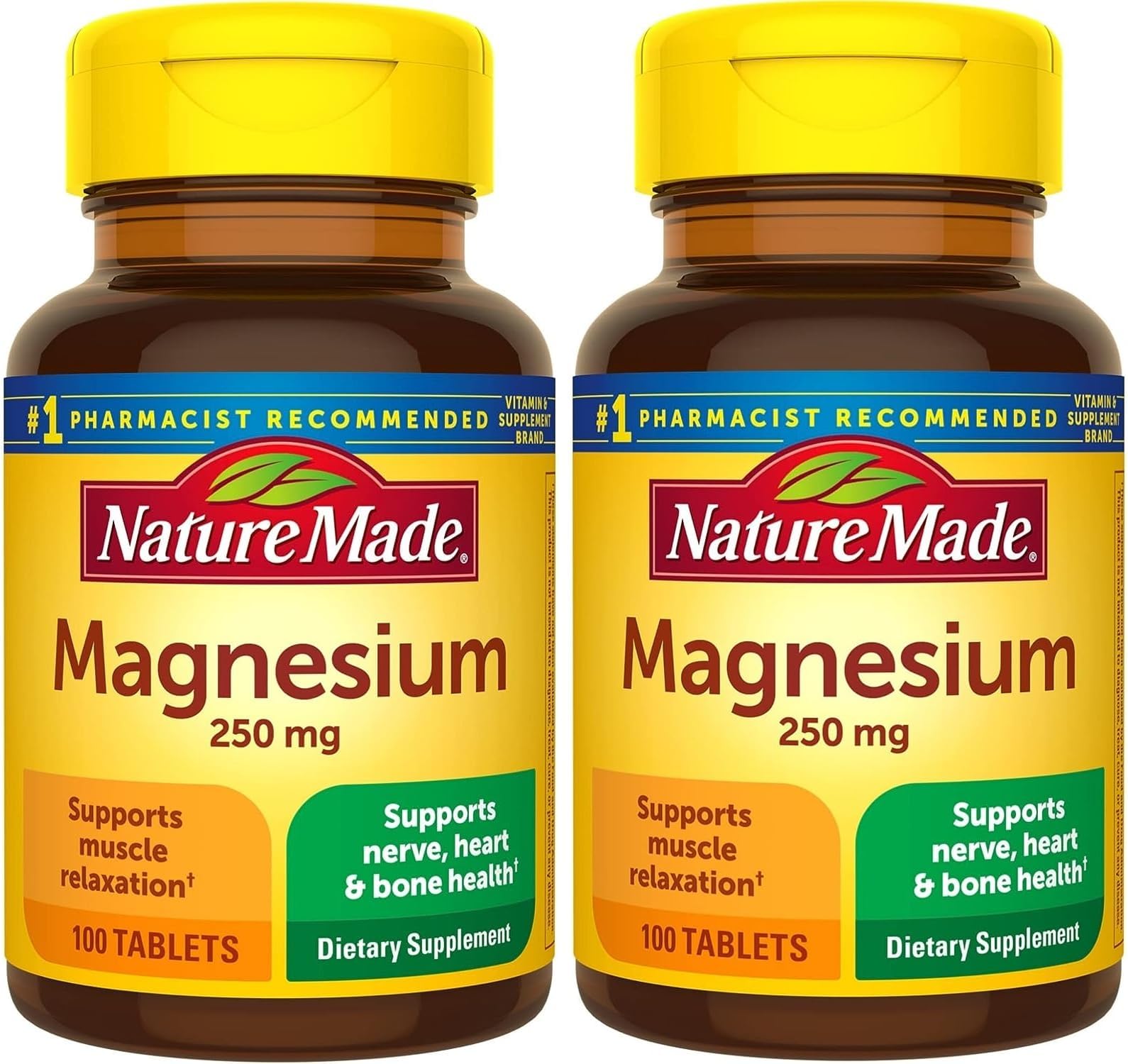
Nature Made Magnesium Oxide 250 mg
- Magnesium Oxide
Thorne Magnesium Bisglycinate
- Magnesium Bisglycinate
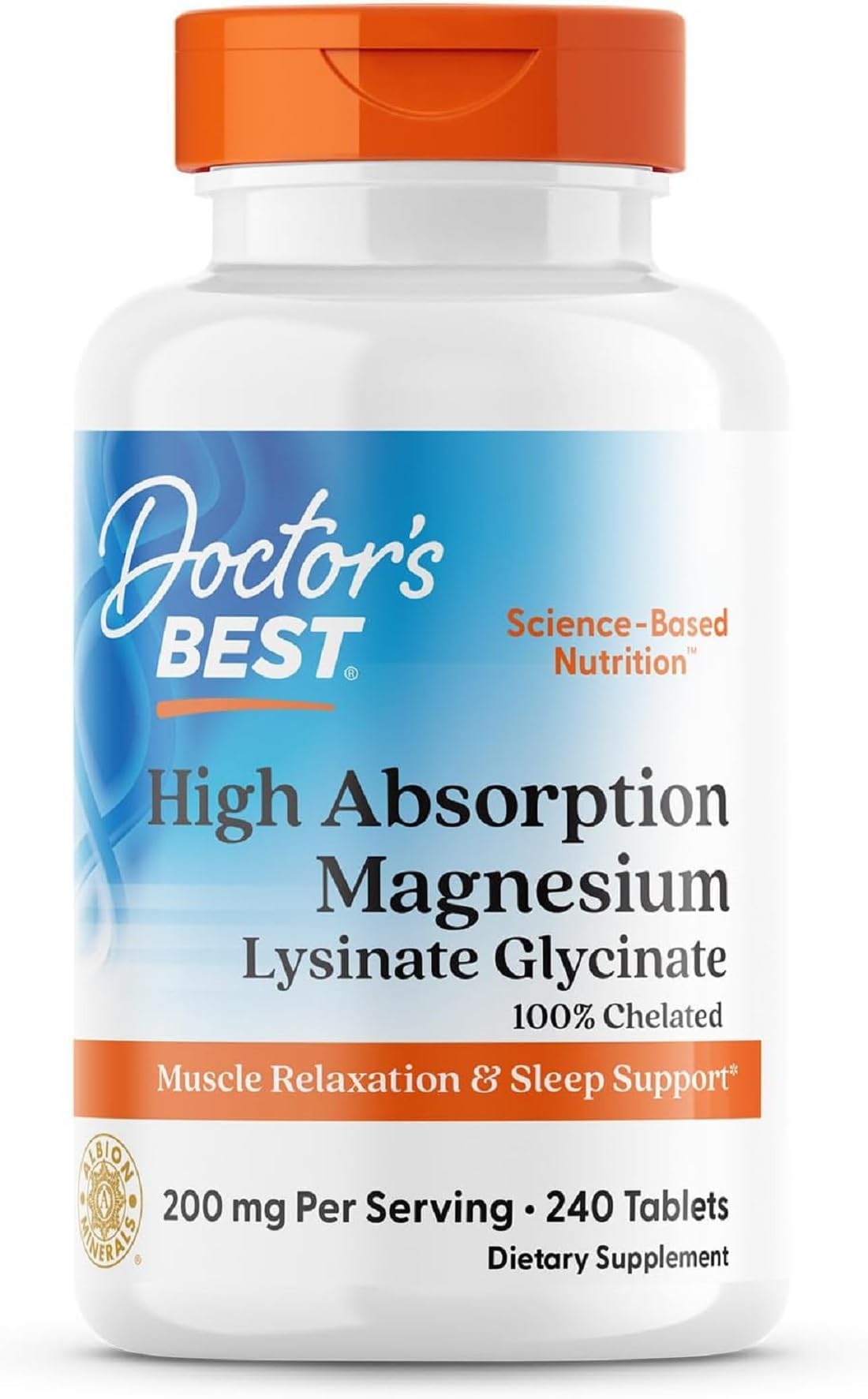
Doctor's Best High Absorption Magnesium (Glycinate Lysinate)
- Magnesium Glycinate Lysinate Chelate
Safety Information
See a doctor if…
- You have been diagnosed with kidney disease.
- You experience persistent or severe diarrhea after starting.
- You develop symptoms like nausea, vomiting, or muscle weakness.
- You experience signs of an allergic reaction like a rash or hives.
Real-World Reports (FDA FAERS, past 12 months)
Reports for magnesium
These are voluntarily reported incidents, not rates. Higher numbers may reflect wider use, not higher risk.
Sources
Primary Sources
- [0]FDA Warnings — Acid Reducer
FDA DailyMed: Acid Reducer
- [1]The association between serum trace elements and iron deficiency anemia in children and adolescents: a systematic review and meta-analysis.
Mobasheri-Shiri M, Ramezanipour S, Azizi Z, et al., Hematology (Amsterdam, Netherlands), 2026-04-01 · 2026-04-01
- [2]A comparative study on demographics and blood biomarkers associated with chronic kidney disease in hypertensive and non-hypertensive individuals.
Zhu B, Zou X, Chen Y, et al., Renal failure, 2026-04-15 · 2026-04-15
- [3]Revolutionizing Mg-based guided bone regeneration mesh derived from endogenous dentoalveolar bone augmentation.
Li S, You M, Zheng H, et al., Bioactive materials, 2026-04-11 · 2026-04-11
- [4]A bioactive magnesium alloy scaffold integrated with BMSCs-Loaded 3D microspheres synergistically promotes femoral head osteonecrosis repair by improving the osteogenic-angiogenic microenvironment.
Guo M, Xu H, Pei Z, et al., Bioactive materials, 2026-04-02 · 2026-04-02
- [5]Enhanced ethylene glycol sensing using magnesium - modified ZnFe(2)O(4) microspheres: A study on structure-performance correlation.
Al-Zahrani AA, Talanta, 2026-03-24 · 2026-03-24
- [6]NIH ODS — Vitamin C Fact Sheet
NIH ODS — Vitamin C Fact Sheet
- [7]NIH ODS — Vitamin D Fact Sheet
NIH ODS — Vitamin D Fact Sheet