What is Dextromethorphan Hbr?
Dextromethorphan HBr (DXM) is your go-to ingredient for quieting that nagging, dry cough. Found in many over-the-counter cold and flu remedies, it's a widely used and effective cough suppressant.
The Basics
Dextromethorphan HBr is a synthetic compound chemically related to opioids, but it is not an opioid in the traditional sense of pain relief or significant addictive properties at therapeutic doses. It works as a cough suppressant by acting on the brain. The 'HBr' stands for hydrobromide, which is a salt form that makes the active ingredient stable and absorbable. It's designed to provide temporary relief from coughs caused by minor throat and bronchial irritation, such as those associated with the common cold or flu.
Key Benefits
Cough Suppression
Dextromethorphan is well-studied and highly effective at reducing the frequency and intensity of non-productive (dry) coughs. It works by elevating the cough threshold in the brain's cough center, making you less sensitive to the urge to cough.
How It Works
Dextromethorphan HBr primarily works by acting on the cough center in the medulla oblongata of the brain, which is responsible for initiating the cough reflex. It elevates the threshold for coughing, meaning it takes a stronger stimulus to trigger a cough. While its exact mechanism isn't fully understood, it's thought to involve sigma opioid receptors and NMDA receptors. At therapeutic doses, it does not typically cause significant pain relief or respiratory depression like traditional opioids, nor does it carry the same high potential for physical dependence.
Effective Dose
For adults and children 12 years and older: 10-20 mg every 4 hours, or 30 mg every 6-8 hours, not to exceed 120 mg in 24 hours. For children 6-11 years: 5-10 mg every 4 hours, or 15 mg every 6-8 hours, not to exceed 60 mg in 24 hours. For children 4-5 years: 2.5-5 mg every 4 hours, or 7.5 mg every 6-8 hours, not to exceed 30 mg in 24 hours. Always follow specific product label instructions, as concentrations and dosing schedules can vary between formulations (e.g., syrup, tablets, extended-release).
Who Benefits
- Individuals experiencing a non-productive (dry) cough due to minor throat and bronchial irritation, such as from the common cold or flu.
- Adults and children aged 4 years and older (always check product labeling for specific age recommendations).
Who Should Avoid
- Children under 4 years of age, as per FDA recommendations for OTC cough and cold products.
- Individuals currently taking or who have taken a monoamine oxidase inhibitor (MAOI) antidepressant within the last 14 days, due to a serious risk of serotonin syndrome.
- Those with chronic coughs, such as from asthma, emphysema, or smoker's cough, unless directed by a healthcare professional.
- Individuals with a history of substance abuse, due to the potential for misuse at high doses.
- People with severe liver disease, as DXM is metabolized by the liver.
- Individuals with a productive (wet or phlegmy) cough, as suppressing this type of cough can hinder the body's ability to clear mucus.
Common Side Effects
- Drowsiness or dizziness
- Nausea or upset stomach
- Constipation
- Nervousness or restlessness
- Less common but serious side effects include allergic reactions (rash, itching, swelling), and serotonin syndrome (agitation, confusion, rapid heart rate, muscle stiffness) when combined with certain medications.
Works Well With
- Expectorants (e.g., Guaifenesin) to help thin and loosen mucus, though DXM itself is for dry coughs. Many multi-symptom cold products combine these.
- Pain relievers and fever reducers (e.g., Acetaminophen, Ibuprofen) for general cold/flu symptoms.
- Decongestants (e.g., Phenylephrine, Pseudoephedrine) for nasal congestion.
- Antihistamines (e.g., Diphenhydramine, Chlorpheniramine) for sneezing and runny nose.
Avoid Combining With
- Monoamine Oxidase Inhibitors (MAOIs) such as Isocarboxazid, Phenelzine, Selegiline, or Tranylcypromine, or within 14 days of stopping an MAOI. This combination can lead to a life-threatening condition called serotonin syndrome.
- Other CNS depressants like alcohol, sedatives, tranquilizers, or certain muscle relaxants, as this can increase drowsiness and dizziness.
- Other medications containing Dextromethorphan to prevent accidental overdose.
- Certain antidepressants (SSRIs, SNRIs) and migraine medications (triptans) without consulting a doctor, due to an increased risk of serotonin syndrome, especially at higher DXM doses.
People Also Ask
Can I use Dextromethorphan HBr every day?
Dextromethorphan HBr is intended for short-term use to relieve acute cough symptoms. If your cough persists for more than 7 days, recurs, or is accompanied by fever, rash, or persistent headache, you should stop use and consult a doctor. Prolonged daily use without medical supervision is not recommended.
Is Dextromethorphan HBr safe during pregnancy?
While Dextromethorphan is generally considered to have a low risk for short-term use during pregnancy, it's always best to consult your doctor or pharmacist before taking any medication if you are pregnant or breastfeeding. They can help weigh the benefits against any potential risks.
What is the difference between Dextromethorphan and Guaifenesin?
Dextromethorphan is a cough suppressant, meaning it helps to reduce the urge to cough, primarily for dry, non-productive coughs. Guaifenesin is an expectorant, which helps to thin and loosen mucus in the airways, making productive coughs more effective at clearing phlegm. They work differently and are often combined in multi-symptom cold medications.
Can Dextromethorphan HBr make you high?
Yes, at very high doses significantly exceeding the recommended therapeutic dose, Dextromethorphan can produce psychoactive effects and hallucinations. This is a dangerous form of drug abuse known as 'robotripping' or 'dexing' and can lead to serious side effects, overdose, and even death. Always use Dextromethorphan strictly as directed on the label.
How long does Dextromethorphan HBr take to work?
Dextromethorphan HBr typically starts to work within 15 to 30 minutes after taking it, and its effects can last for about 4 to 8 hours, depending on the specific formulation (e.g., immediate-release vs. extended-release).
Bottom Line
Dextromethorphan HBr is a well-established and effective over-the-counter cough suppressant for temporary relief of non-productive coughs associated with colds and flu. It works by acting on the brain's cough center. Always adhere strictly to recommended dosages, be aware of potential drug interactions, especially with MAOIs, and avoid misuse due to the risk of serious side effects and abuse potential. If your cough is chronic, productive, or accompanied by other severe symptoms, consult a healthcare professional.
References
- 1.FDA Drug Label — Daytime Cold and Flu
FDA DailyMed: Daytime Cold and Flu · FDA
- 2.Commonly prescribed medications and potential false-positive urine drug screens.
Brahm NC, Yeager LL, Fox MD, et al., American journal of health-system pharmacy : AJHP : official journal of the American Society of Health-System Pharmacists, 2010 · PubMed
- 3.Management of Behavioral and Psychological Symptoms of Dementia.
Bessey LJ, Walaszek A, Current psychiatry reports, 2019 · PubMed
- 4.The Black Book of Psychotropic Dosing and Monitoring.
DeBattista C, Schatzberg AF, Psychopharmacology bulletin, 2024 · PubMed
- 5.Management of neuropsychiatric symptoms in dementia.
Devanand DP, Current opinion in neurology, 2023 · PubMed
- 6.Therapeutic Approach for Trigeminal Neuralgia: A Systematic Review.
Rana MH, Khan AAG, Khalid I, et al., Biomedicines, 2023 · PubMed
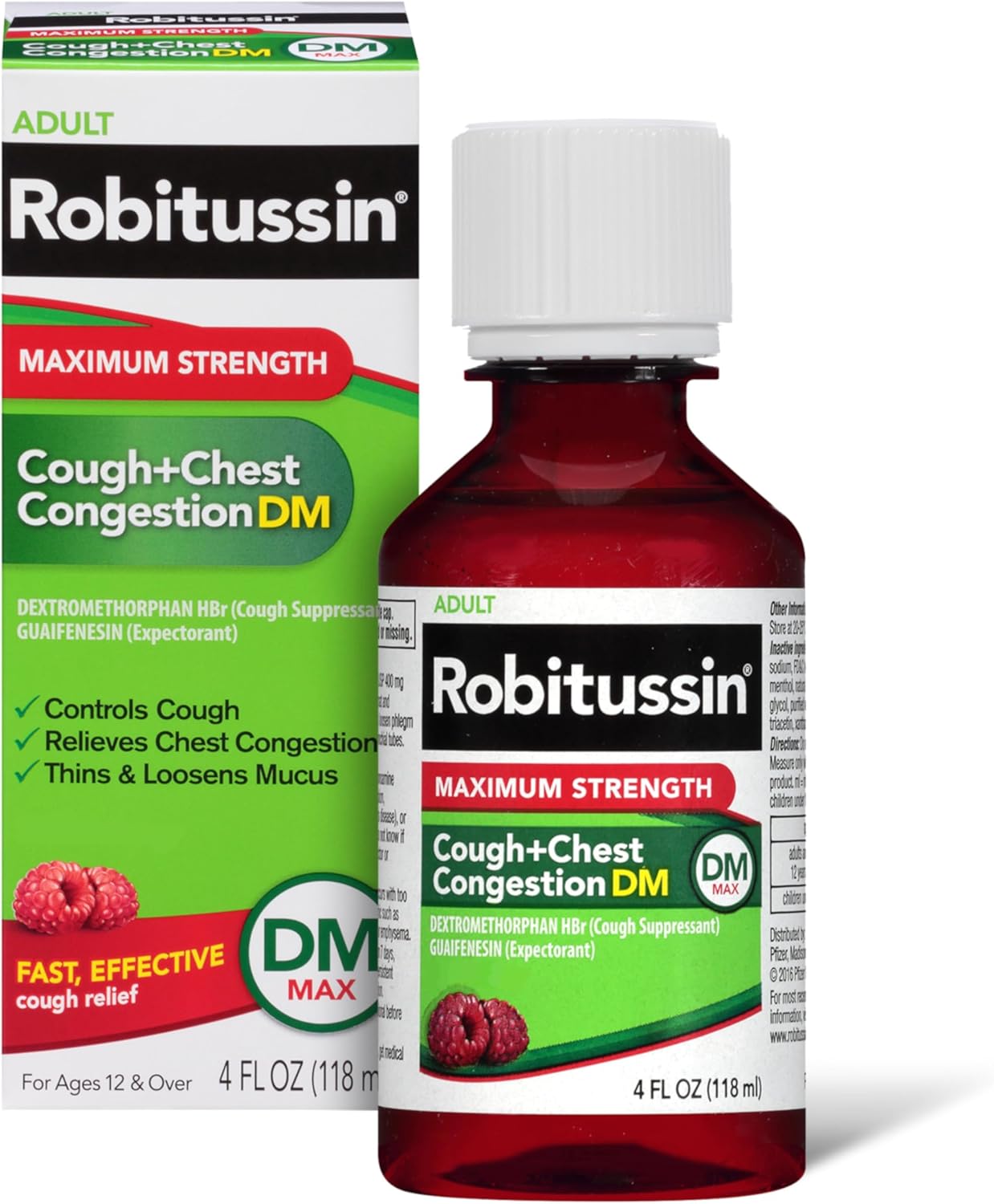
Products Containing Dextromethorphan Hbr

Evidence-based ingredient information. Not a substitute for individualized medical advice.