What is Guaifenesin?
Feeling congested? Guaifenesin is a well-studied over-the-counter medication designed to help you clear that chest congestion and breathe easier.
The Basics
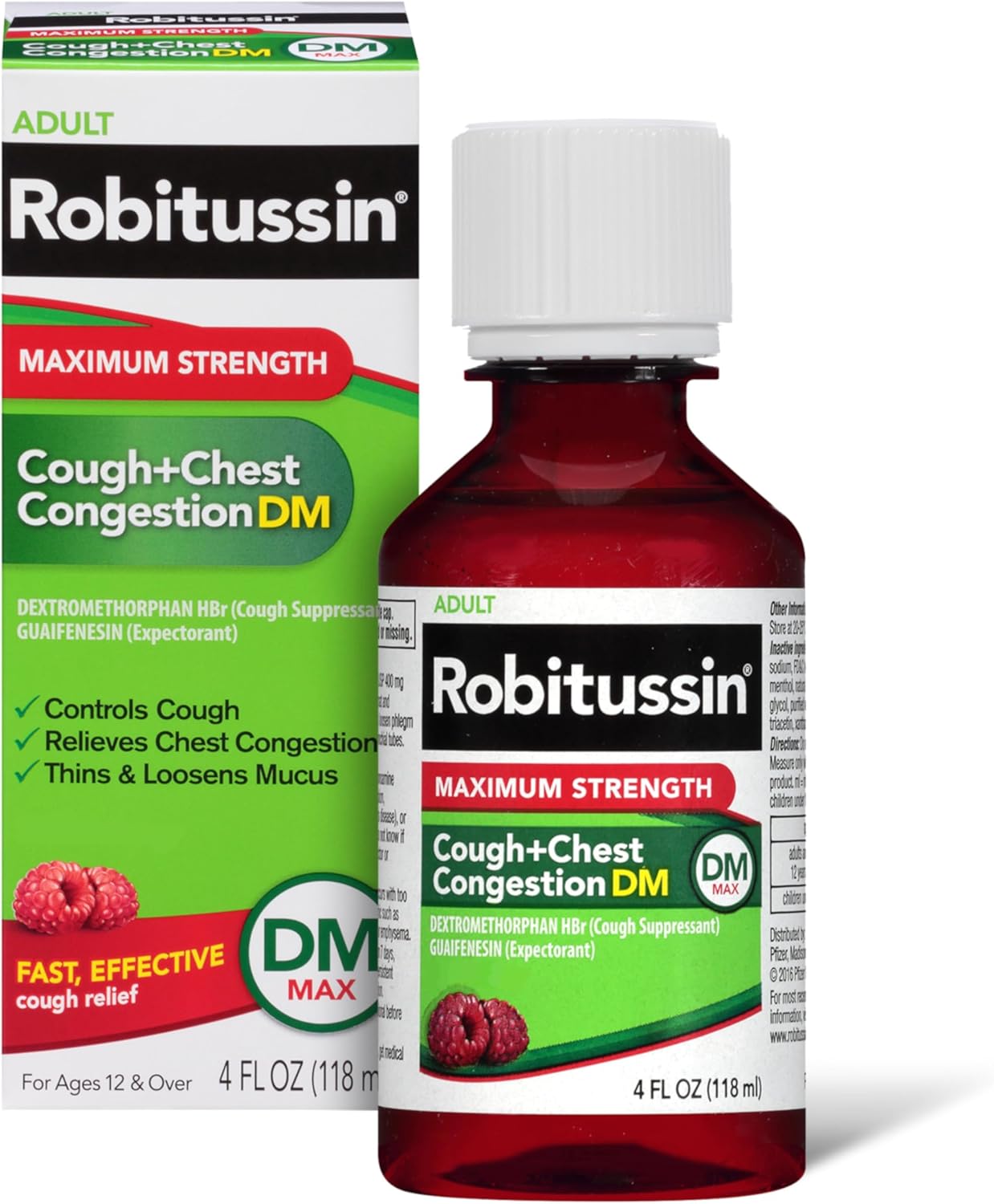
Guaifenesin is an expectorant, a type of medication that helps to thin and loosen mucus in your airways. It's commonly found in many cough and cold remedies like Robitussin and Mucinex. Its primary role is to make your coughs more productive, allowing you to expel phlegm and mucus more easily from your lungs and throat.
Key Benefits
Thins and Loosens Mucus
Guaifenesin is well-studied for its ability to increase the volume and decrease the viscosity (thickness) of secretions in the respiratory tract. This makes the mucus less sticky and easier to cough up.
Relieves Chest Congestion
By thinning mucus, guaifenesin helps to clear the airways, reducing the feeling of heaviness and tightness in the chest often associated with colds, bronchitis, and other respiratory infections.
Makes Coughs More Productive
Instead of a dry, irritating cough, guaifenesin helps transform it into a productive cough, meaning you're actually expelling the mucus that's causing the irritation and congestion.
How It Works
When you take guaifenesin, it's believed to work by irritating the lining of your stomach. This irritation then stimulates nerve endings, which in turn activates a reflex that increases the production of respiratory tract fluid. This increased fluid helps to thin the thick, sticky mucus in your bronchial tubes, making it easier to cough up and clear from your lungs.
Effective Dose
For immediate-release formulations, typical adult dosing is 200-400 mg every 4 hours as needed, not to exceed 2400 mg in 24 hours. For extended-release formulations, typical adult dosing is 600-1200 mg every 12 hours, not to exceed 2400 mg in 24 hours. Always refer to the specific product label for precise dosing instructions based on age and formulation.
Who Benefits
- Individuals experiencing chest congestion due to a common cold, flu, or bronchitis.
- Anyone with a productive cough where mucus is thick and difficult to expel.
- Adults and children over 12 years old (or as directed by a healthcare professional for younger children).
Who Should Avoid
- Children under 2 years of age, unless specifically directed by a doctor.
- Individuals with chronic coughs due to smoking, asthma, emphysema, or chronic bronchitis, without consulting a healthcare professional first.
- People with a known allergy or hypersensitivity to guaifenesin.
- Pregnant or breastfeeding individuals should consult a doctor before use, as data on safety is limited.
Common Side Effects
- Nausea
- Vomiting
- Dizziness
- Headache
- Stomach pain
- Rash (rare)
Works Well With
- Decongestants (e.g., pseudoephedrine, phenylephrine) for nasal congestion relief.
- Cough suppressants (e.g., dextromethorphan) for cough relief, especially if the cough is disruptive at night (ensure the product doesn't contain guaifenesin already).
- Pain relievers/fever reducers (e.g., acetaminophen, ibuprofen) for general cold and flu symptoms.
Avoid Combining With
- Other products containing guaifenesin to prevent accidental overdose. Always check active ingredients on all cold and flu medications.
- Alcohol, as it can increase drowsiness and dizziness, which are potential side effects of guaifenesin.
People Also Ask
Can I use guaifenesin every day?
Guaifenesin is generally intended for short-term use to relieve acute chest congestion. If your cough and congestion persist for more than 7 days, worsen, or are accompanied by fever, rash, or persistent headache, consult a doctor.
Is guaifenesin safe during pregnancy?
While often considered low risk, it's always best to consult your doctor or pharmacist before taking guaifenesin or any medication during pregnancy or while breastfeeding. Limited evidence is available for its safety in these populations.
What's the difference between guaifenesin and dextromethorphan?
Guaifenesin is an expectorant that thins mucus to make coughs more productive. Dextromethorphan is a cough suppressant that works on the brain to reduce the urge to cough. They address different aspects of coughs and are often combined in multi-symptom products.
How long does guaifenesin take to work?
You may start to feel the effects of guaifenesin within 30 minutes to an hour after taking it, as it begins to thin mucus. Full relief may take a bit longer as your body clears the loosened phlegm.
Can children take guaifenesin?
Guaifenesin is generally not recommended for children under 2 years of age. For children aged 2-12, always follow the specific dosing instructions on the product label or consult a pediatrician. Children's formulations often have different concentrations.
Bottom Line
Guaifenesin is a well-established and effective expectorant for relieving chest congestion by thinning and loosening mucus, making coughs more productive. It's a useful tool for managing symptoms of colds, flu, and bronchitis. Always follow dosing instructions carefully, avoid combining with other guaifenesin-containing products, and consult a healthcare professional if symptoms persist or worsen.
References
- 1.FDA Drug Label — Rompe Pechito DM for Kids
FDA DailyMed: Rompe Pechito DM for Kids · FDA
- 2.Guaifenesin.
, 1994 · PubMed
- 3.Ephedrine- and guaifenesin-induced nephrolithiasis.
Bennett S, Hoffman N, Monga M, Journal of alternative and complementary medicine (New York, N.Y.), 2004 · PubMed
- 4.Over-the-counter (OTC) medications for acute cough in children and adults in community settings.
Smith SM, Schroeder K, Fahey T, The Cochrane database of systematic reviews, 2014 · PubMed
- 5.Guaifenesin.
, 2006 · PubMed
- 6.Herbal antitussives.
Ziment I, Pulmonary pharmacology & therapeutics, 2002 · PubMed
Products Containing Guaifenesin
Evidence-based ingredient information. Not a substitute for individualized medical advice.