
A Pharmacist's Guide to Choosing the Right Vitamin C Supplement
Contents
Summary
Vitamin C is a foundational antioxidant crucial for immune function, skin health, and fighting inflammation. While its benefits are well-known, navigating the supplement aisle can be confusing. The best choice depends on your goals and sensitivity. For high-dose 'megadosing,' a quality-certified powder form is efficient and cost-effective. For convenience, capsules offer a pre-measured dose. If standard ascorbic acid causes stomach irritation, a buffered form like Ester-C provides a gentler, longer-lasting alternative. For maximum effectiveness, liposomal vitamin C offers a significant advantage. This advanced delivery system encases the vitamin C in lipids, dramatically increasing its absorption and bioavailability in the body. This means a lower dose can deliver more powerful results with minimal digestive side effects. By understanding these key differences, you can select the most effective form of vitamin C to support your health.
Key Takeaways
- For high-dose supplementation, choose a pure powder form from a reputable source like those using Quali-C certified ingredients.
- If you experience stomach sensitivity with standard vitamin C, consider a buffered option like Ester-C, which is gentler on the digestive system.
- For superior absorption and bioavailability, opt for a liposomal vitamin C, which can be 3-4 times more effective than standard forms.
- Evaluate products based on form (powder, capsule), type (ascorbic acid, Ester-C, liposomal), and quality certifications, not just price.
- Be cautious of products labeled 'liposomal' that use alternative ingredients instead of true phospholipid encapsulation technology.
Why Vitamin C is a Foundational Supplement
Vitamin C, or ascorbic acid, is one of the most essential antioxidants for human health. Its primary roles include neutralizing harmful free radicals, which contributes to aging and cellular damage. Beyond its antioxidant capabilities, Vitamin C is a cornerstone of a healthy immune system, playing a vital part in the function of various immune cells. It also has significant anti-inflammatory and antiviral properties. For these reasons, maintaining adequate levels of Vitamin C is crucial, and supplementation is often recommended, especially for those seeking to bolster their body's defenses, improve skin vitality, or reduce inflammation. It is considered a top-priority supplement, even for those who are not taking a wide array of other antioxidants.
Choosing Your Vitamin C: Key Forms Explained
The effectiveness of a vitamin C supplement can depend heavily on its form. The most common and affordable type is standard ascorbic acid, available as a powder or in capsules. Powder is excellent for those interested in 'megadosing'—taking doses of 3,000 mg to 6,000 mg—as it's easy to measure and mix. Capsules provide a convenient, pre-measured dose, typically 1,000 mg. However, the acidity of ascorbic acid can cause digestive discomfort for some. For those with sensitive stomachs, a buffered or 'neutral' form like Ester-C is a great alternative. In Ester-C, the vitamin is bound to calcium, which reduces acidity and may help it remain active in the body for longer. Clinical data on Ester-C suggests it can be effective in supporting the body against upper respiratory infections.
The Science of Enhanced Absorption: Liposomal Vitamin C
The most advanced delivery system for vitamin C is liposomal technology. Standard vitamin C has a short half-life and its absorption in the intestines is limited. Liposomal formulations overcome this by encapsulating vitamin C molecules in tiny, fat-based spheres called phospholipids. This protective layer allows the vitamin C to bypass the restrictive absorption pathways in the gut and be delivered more directly into the bloodstream and cells. Research suggests that liposomal vitamin C can be three to four times more bioavailable than its standard counterparts. This means a 500 mg dose of liposomal vitamin C can provide the benefits of a 1,500-2,000 mg dose of regular vitamin C, all while minimizing the risk of gastrointestinal issues. Due to the complex manufacturing process, it's vital to choose liposomal products from reputable companies to ensure you're getting a properly formulated supplement.
Study Notes
The Role of Vitamin C in Health
- Acts as a powerful antioxidant to combat aging and support skin health.
- Provides anti-inflammatory, antiviral, and potential anticancer benefits.
- Considered a fundamental component for immune system support.
- High-dose supplementation may be beneficial for certain health goals.
Criteria for Selecting Vitamin C Supplements
- Ingredient Quality: Look for reputable sources, such as DSM's Quali-C, which indicates strong quality control.
- Form Factor: Choose between powder (for high doses) and capsules (for convenience).
- Type of Vitamin C: Consider standard ascorbic acid, buffered/neutral forms (Ester-C), or liposomal for different needs.
- Company Reputation: Especially important for advanced forms like liposomal, where manufacturing technology impacts quality.
Comparison of Vitamin C Forms
- Powder/Capsule (Ascorbic Acid): The most basic and affordable form. Powder is ideal for megadosing (3,000-6,000 mg daily), while capsules offer a standard 1,000 mg dose.
- Neutral Vitamin C (Ester-C): Ascorbic acid is bound to a mineral like calcium, which neutralizes its acidity. This reduces stomach irritation and may prolong its action in the body.
- Liposomal Vitamin C: Vitamin C is encapsulated in phospholipids (fats), creating a structure that bypasses normal absorption limits in the gut. This significantly increases bioavailability, making lower doses more effective.
Understanding Liposomal Technology
- Mechanism: Phospholipids form a protective sphere around the vitamin C molecule, allowing it to be absorbed more efficiently.
- Benefits: Overcomes the short half-life and limited intestinal absorption of standard vitamin C. Offers 3-4 times higher bioavailability.
- Dosage Equivalence: A 500 mg dose of liposomal vitamin C can be equivalent to 1,500-2,000 mg of standard vitamin C.
- Considerations: Manufacturing quality is key. Choose products from reputable brands to ensure proper liposomal formulation.
Products Mentioned
Analyzed by AI PharmCare — tap through for the ingredient breakdown or shop across retailers.
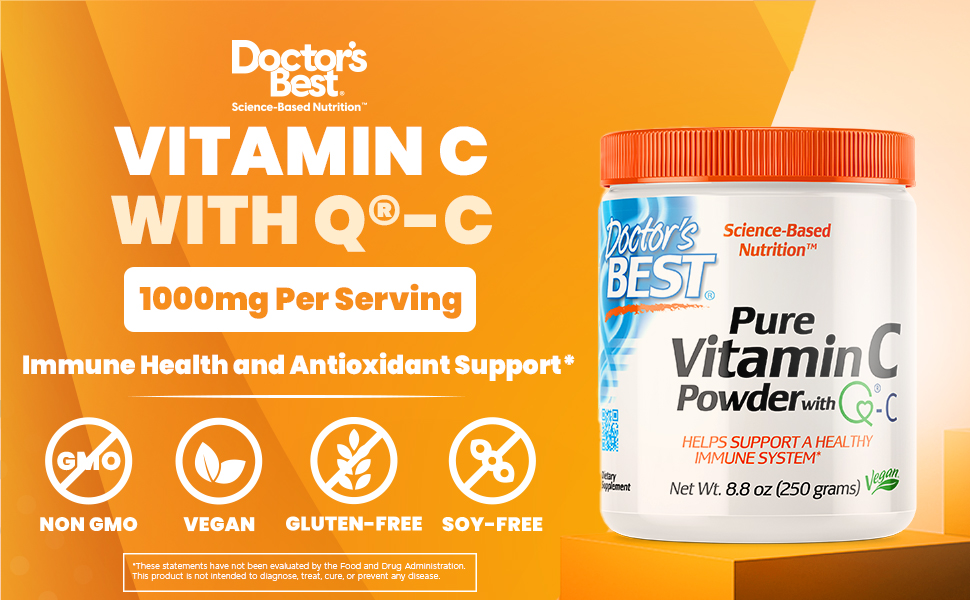
Doctor's Best Pure Vitamin C Powder with Quali-C
This is a recommended high-quality powder option, ideal for megadosing, that uses the reputable Quali-C certified vitamin C.
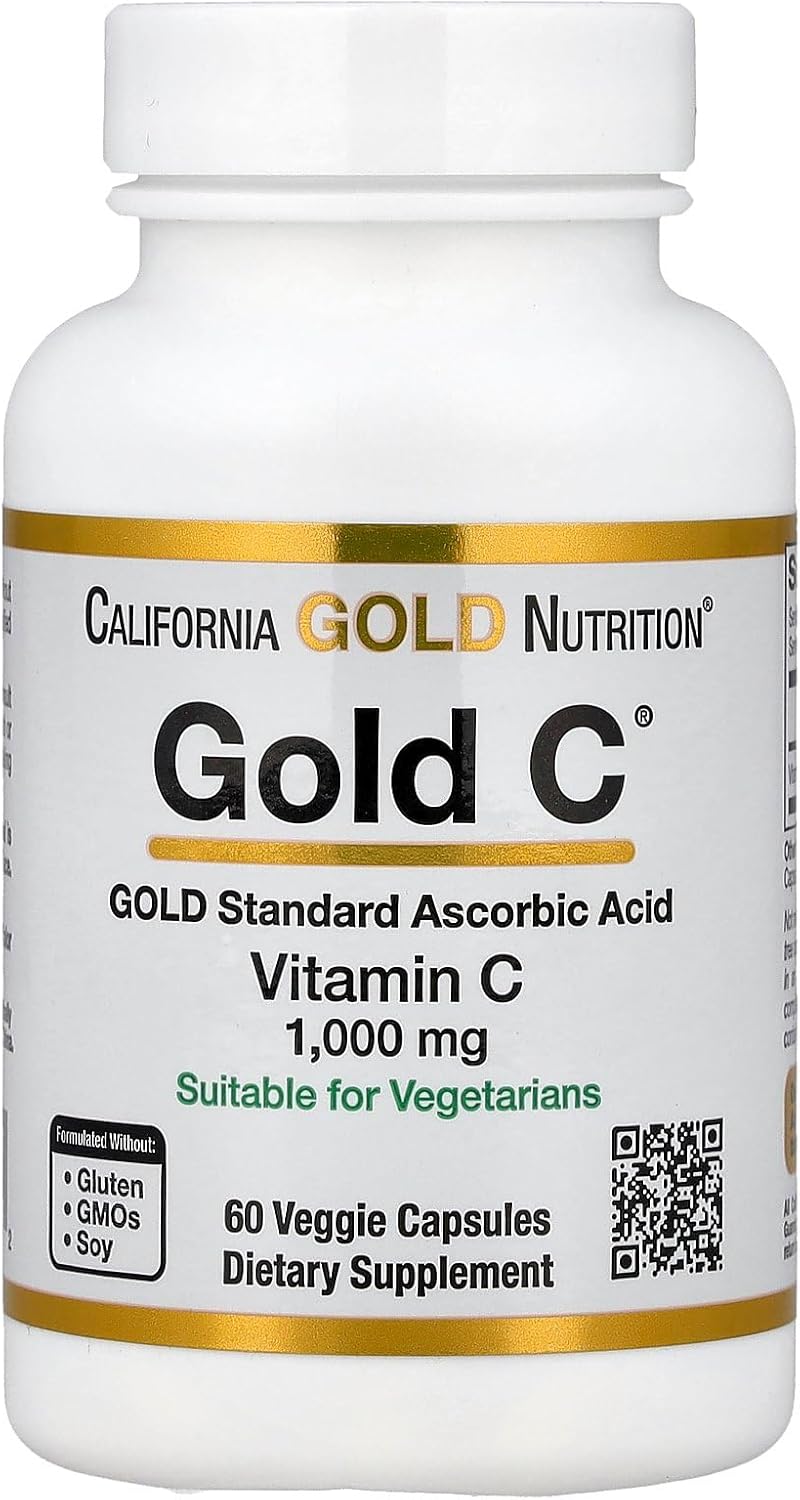
California Gold Nutrition Gold C Vitamin C
This brand offers an affordable and reliable option for basic vitamin C supplementation in both powder and 1000 mg capsule forms.
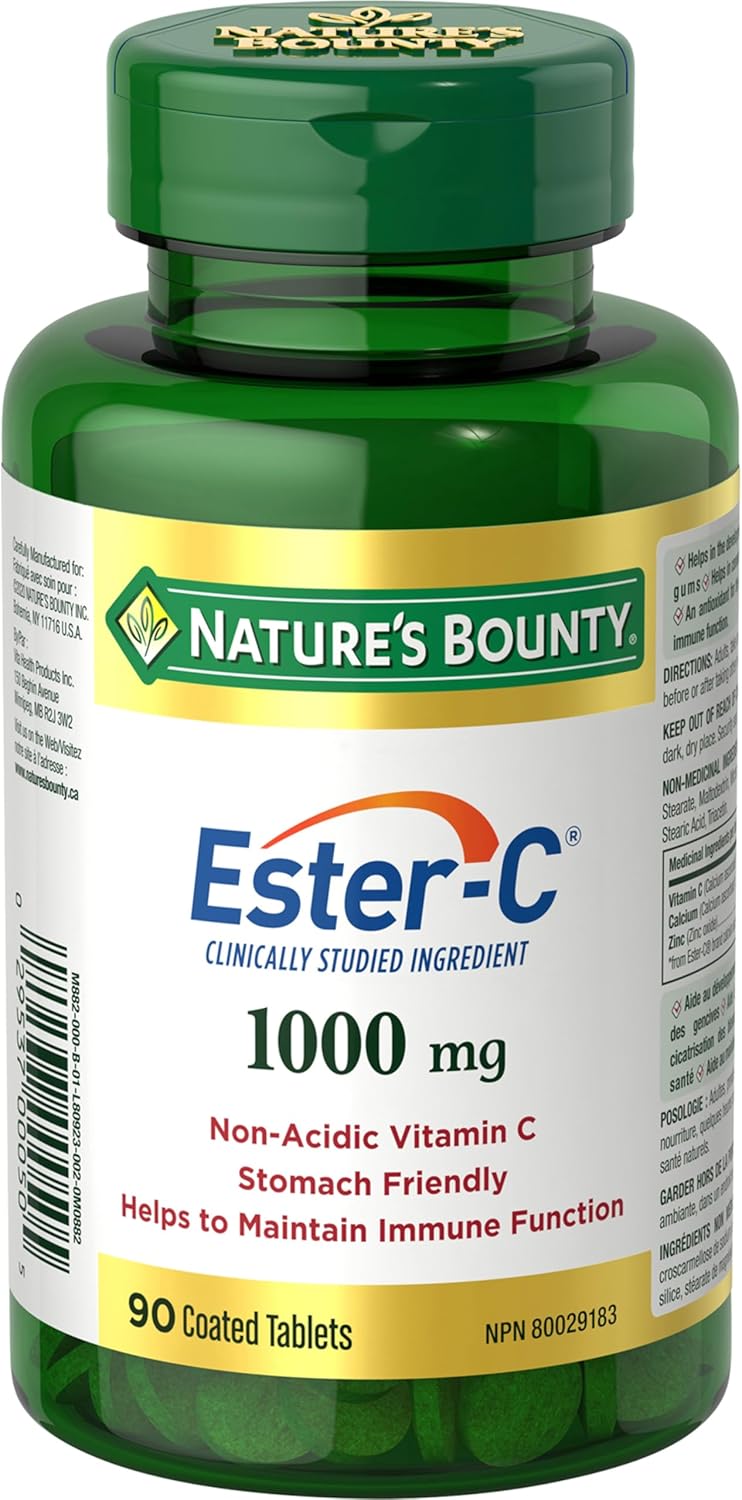
Nature's Bounty Ester-C 1000 mg
A high-potency, buffered form of vitamin C that is gentler on the stomach and is fortified with plant-based flavonoids.
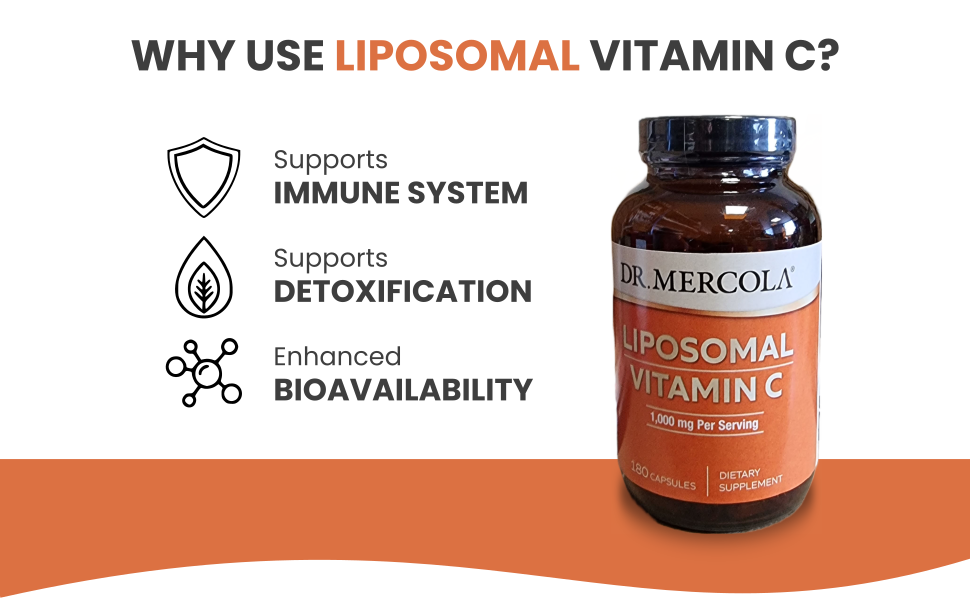
Dr. Mercola Liposomal Vitamin C
This is a recommended high-quality liposomal vitamin C in capsule form, providing enhanced absorption and bioavailability.
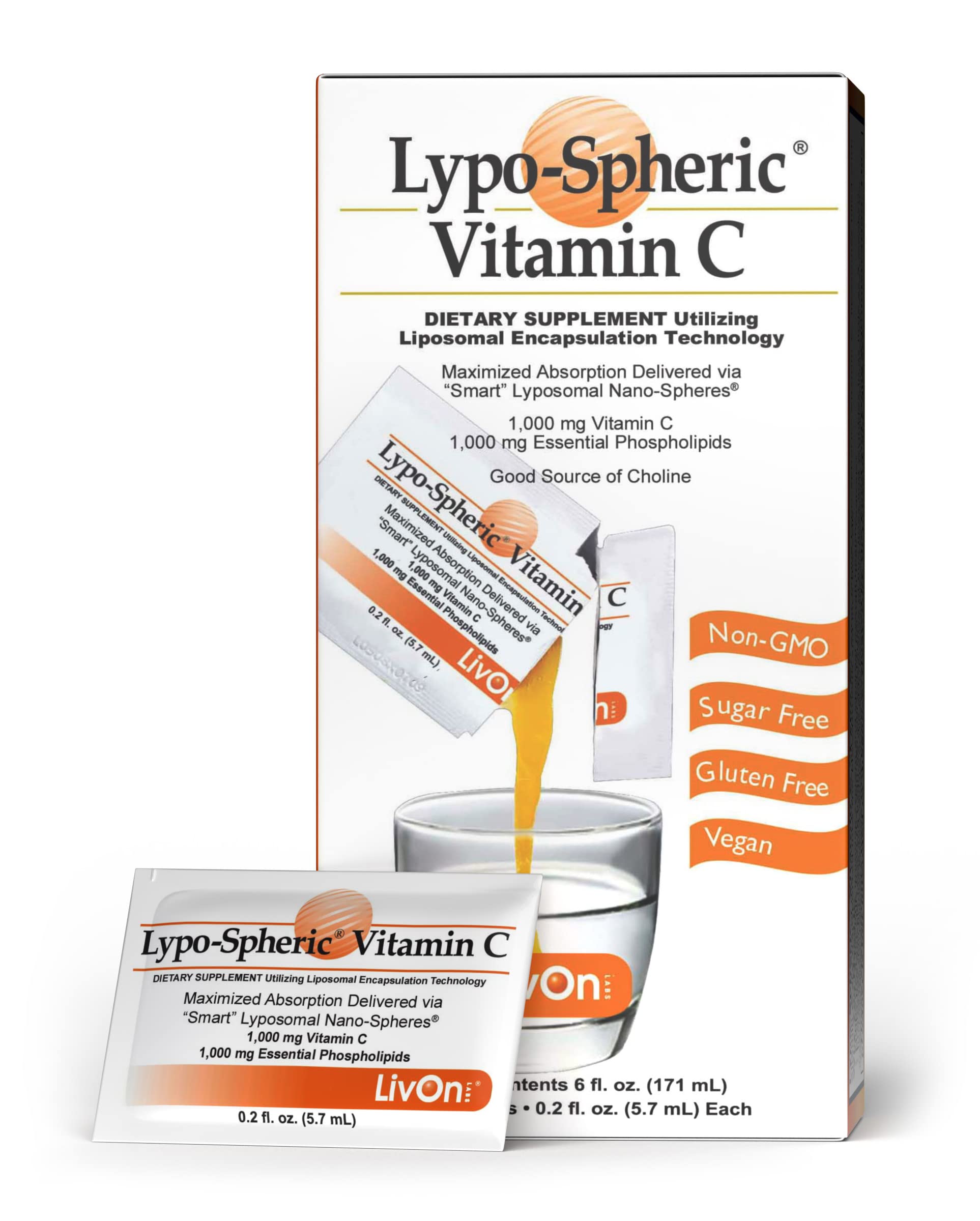
LivOn Labs Lypo-Spheric Vitamin C
Considered a top-tier brand for liposomal vitamin C, this product comes in gel pouches and is known for its high efficacy.
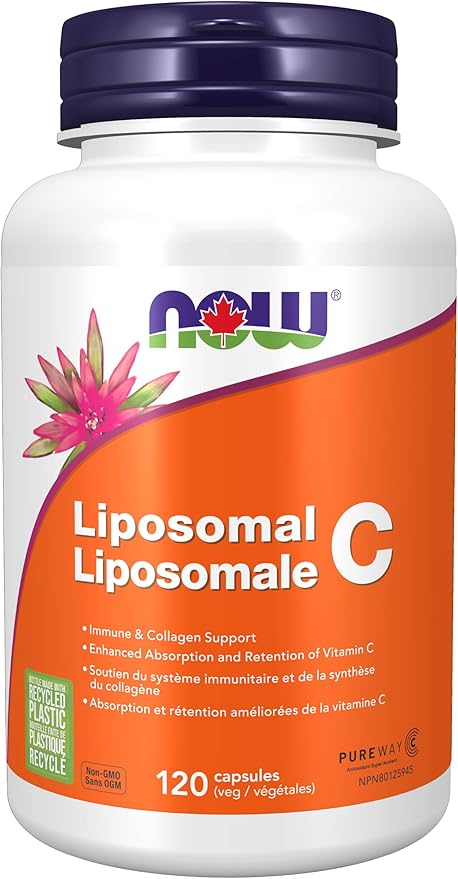
NOW Foods Liposomal Vitamin C
Caution is advised with some products marketed as 'liposomal' that may use ingredients like PureWay-C, which is not a true liposomal form.
Products at a Glance
Quick comparison across the products mentioned above
Doctor's Best Pure Vitamin C Powder with Quali-C
California Gold Nutrition Gold C Vitamin C
Nature's Bounty Ester-C 1000 mg
Dr. Mercola Liposomal Vitamin C
LivOn Labs Lypo-Spheric Vitamin C
Ingredients
Top actives per product + what overlaps
Doctor's Best Pure Vitamin C Powder with Quali-C
- L-Ascorbic Acid (Quali-C)
California Gold Nutrition Gold C Vitamin C
- Vitamin C (as L-Ascorbic Acid)
- Modified Cellulose (veggie capsule)
Nature's Bounty Ester-C 1000 mg
- Vitamin C (as Ester-C Calcium Ascorbate)
- Calcium (as Ester-C Calcium Ascorbate)
- Citrus Bioflavonoid Complex
Dr. Mercola Liposomal Vitamin C
- Vitamin C (ascorbic acid)
- Phospholipids (from Sunflower Lecithin)
- Medium Chain Triglycerides (MCT Oil)
LivOn Labs Lypo-Spheric Vitamin C
- Vitamin C (as Sodium Ascorbate)
- Essential Phospholipids (from soy lecithin)
- Alcohol
Pharmacist's take
All products provide Vitamin C, primarily as L-Ascorbic Acid or its salts, for antioxidant and immune support. The key differences lie in the form of Vitamin C and its delivery: standard, buffered (Ester-C), or liposomal, which aims to improve absorption or reduce stomach upset.
Best For / Avoid If
When each product shines — and when another wins
Doctor's Best Pure Vitamin C Powder with Quali-C
California Gold Nutrition Gold C Vitamin C
Nature's Bounty Ester-C 1000 mg
Dr. Mercola Liposomal Vitamin C
LivOn Labs Lypo-Spheric Vitamin C
Price & Value
Who delivers the best ratio
Best value: California Gold Nutrition Gold C Vitamin C
This product provides USP Grade L-Ascorbic Acid, a well-studied and effective form of Vitamin C, at a very affordable price point. It offers excellent value for basic, high-dose supplementation without the premium costs associated with buffered or liposomal forms.
How to choose
Choosing the right Vitamin C supplement depends on your budget, stomach sensitivity, and preference for form. For most individuals, a standard L-Ascorbic Acid supplement offers effective antioxidant and immune support at a lower cost. If you experience digestive upset, buffered or liposomal forms may be worth the extra expense, though their superior efficacy is still debated.
References
- 1.Vitamin C and Immune Function.
Carr AC, Maggini S, Nutrients, 2017 · PubMed
- 2.The Roles of Vitamin C in Skin Health.
Pullar JM, Carr AC, Vissers MCM, Nutrients, 2017 · PubMed
- 3.Vitamin C for preventing and treating the common cold.
Hemilä H, Chalker E, The Cochrane database of systematic reviews, 2013 · PubMed
- 4.Vitamin C: the known and the unknown and Goldilocks.
Padayatty SJ, Levine M, Oral diseases, 2016 · PubMed
- 5.Vitamin C and E antioxidant supplementation may significantly reduce pain symptoms in endometriosis: A systematic review and meta-analysis of randomized controlled trials.
Bayu P, Wibisono JJ, PloS one, 2024 · PubMed
About the Reviewer
Younghun Cho
Reviews every article and product analysis on AI PharmCare for accuracy against FDA labeling, peer-reviewed literature, and current pharmacy practice. AI-assisted drafts are not published without this review step.
This analysis was AI-drafted and reviewed for accuracy. Always consult your pharmacist or healthcare provider for personalized advice. Product links may earn us a small commission at no extra cost to you.